
That persistent shine in the middle of the day. The constant need to blot your face. The frustration of breakouts despite your best efforts. If you’re a man dealing with oily skin, you’re not alone. While some facial oil is necessary for healthy skin, excessive sebum production can lead to a range of issues from unwanted shine to acne breakouts. The good news? With the right knowledge and approach, you can effectively manage oily skin and achieve a balanced, healthier complexion.
In this comprehensive guide, we’ll explore why men are particularly prone to oily skin, the underlying causes, and most importantly, the practical steps you can take to control it. Whether you’re new to skincare or looking to optimize your current routine, you’ll find actionable advice to help you tackle this common concern head-on.
Understanding Oily Skin in Men: What’s Actually Happening?
Oily skin occurs when your sebaceous glands produce excess sebum—the natural oil that helps keep your skin moisturized and protected. While everyone has sebaceous glands, men typically have larger, more active ones than women, which explains why oily skin is particularly common among men.
When functioning properly, these glands produce just enough oil to maintain skin health. However, when they go into overdrive, the excess sebum can lead to clogged pores, acne breakouts, and that persistent shiny appearance that many men struggle with.
Signs You Have Oily Skin
- Persistent shine, especially on your T-zone (forehead, nose, and chin)
- Enlarged or visible pores, particularly around the nose
- Frequent breakouts or blackheads
- Skin that feels greasy to the touch, especially by midday
- Makeup that slides off quickly (if you wear it)
- Skin that rarely feels tight or dry after washing

Not Sure About Your Skin Type?
Take our quick skin assessment to determine if you have oily, combination, dry, or sensitive skin and receive personalized recommendations.
What Causes Oily Skin in Men?
Understanding the root causes of oily skin is the first step toward effective management. For men, several factors contribute to excess oil production:

Hormonal Factors
Men naturally produce more testosterone than women, which stimulates the sebaceous glands to produce more oil. Dihydrotestosterone (DHT), a derivative of testosterone, is particularly influential in increasing sebum production. This explains why teenage boys and young men often experience oilier skin during puberty when hormone levels surge.

Genetics
Your skin type is largely determined by your genes. If your father or other male relatives have oily skin, you’re more likely to have it too. Genetic factors influence the size and activity level of your sebaceous glands, as well as how your skin responds to hormonal fluctuations.

Environmental Factors
Heat, humidity, and pollution can all exacerbate oily skin. Hot weather increases sweat production, which can mix with sebum and make your skin appear oilier. Urban environments with high pollution levels can also trigger increased oil production as your skin tries to protect itself from environmental aggressors.

Stress Levels
When you’re stressed, your body produces more cortisol and androgens, hormones that can stimulate your oil glands. This is why you might notice your skin becomes oilier during high-stress periods. Managing stress isn’t just good for your mental health—it can improve your skin too.

Improper Skincare
Ironically, trying too hard to combat oily skin can make it worse. Harsh cleansers strip away natural oils, prompting your skin to produce even more oil to compensate. Over-washing or using alcohol-based products can disrupt your skin’s natural balance and trigger increased sebum production.

Diet and Lifestyle
High-glycemic foods, dairy, and excessive alcohol consumption can trigger inflammation and increased oil production in some men. Similarly, lack of sleep, dehydration, and insufficient exercise can disrupt hormonal balance and contribute to oilier skin.
“While you can’t change your genetic predisposition to oily skin, understanding the controllable factors that contribute to excess oil production allows you to make targeted lifestyle and skincare changes.”
The Silver Lining: Benefits of Naturally Oily Skin
Before we dive into control methods, it’s worth noting that oily skin does come with some advantages:
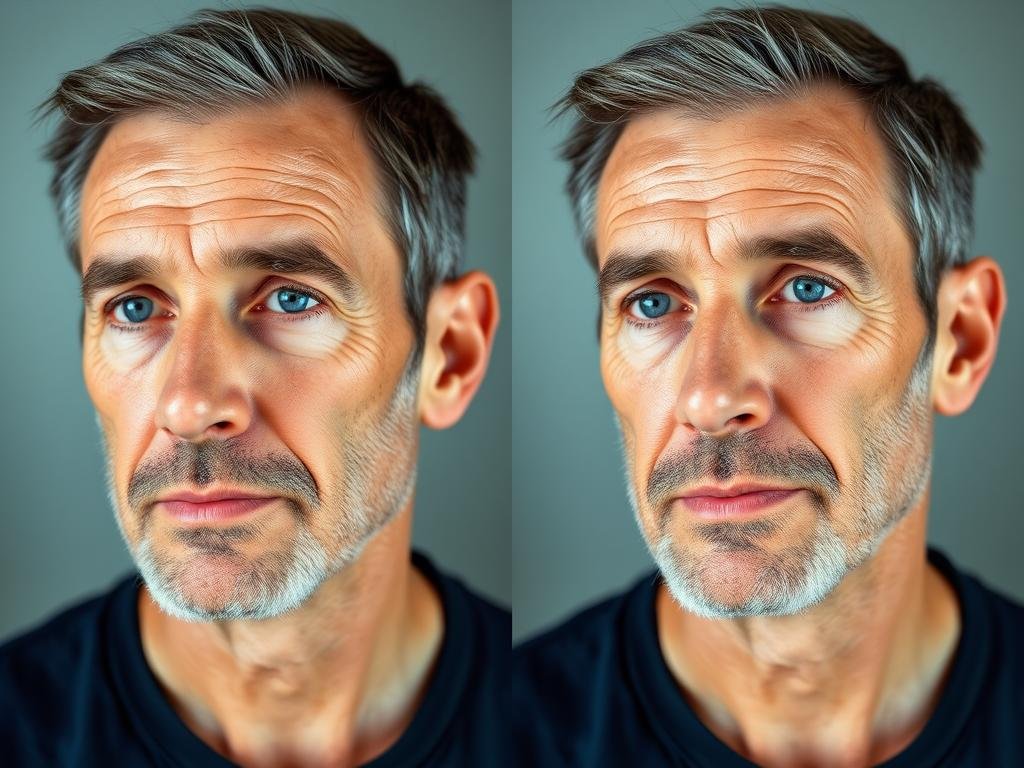
- Slower aging process: The natural oils help keep your skin hydrated and can delay the formation of fine lines and wrinkles.
- Natural protection: Sebum provides a barrier against certain environmental irritants.
- Natural moisture: You’re less likely to experience the discomfort of dry, tight skin.
- Resilience: Oily skin often heals faster and is less sensitive to environmental changes.
The goal isn’t to eliminate oil completely—which would be both impossible and undesirable—but rather to manage excess oil and maintain a healthy balance.
Effective Methods to Control Oily Skin in Men
Now that we understand what causes oily skin, let’s explore practical, evidence-based strategies to keep it under control. The key is to develop a consistent routine that cleanses effectively without triggering additional oil production.
1. Develop a Proper Cleansing Routine
Cleansing is the foundation of any skincare routine, especially for men with oily skin. The goal is to remove excess oil, dirt, and impurities without stripping your skin of essential moisture.
Best Practices:
- Wash your face twice daily—morning and evening
- Use lukewarm water (hot water stimulates oil production)
- Choose a gentle, foaming cleanser specifically formulated for oily skin
- Look for ingredients like salicylic acid, glycolic acid, or tea tree oil
- Avoid harsh soaps that can disrupt your skin’s pH balance

Recommended Product: Purifying Clay Cleanser
This gentle yet effective cleanser uses a blend of natural clays to absorb excess oil while maintaining your skin’s moisture balance. The addition of tea tree oil provides antibacterial properties to help prevent breakouts.
2. Incorporate Toning into Your Routine
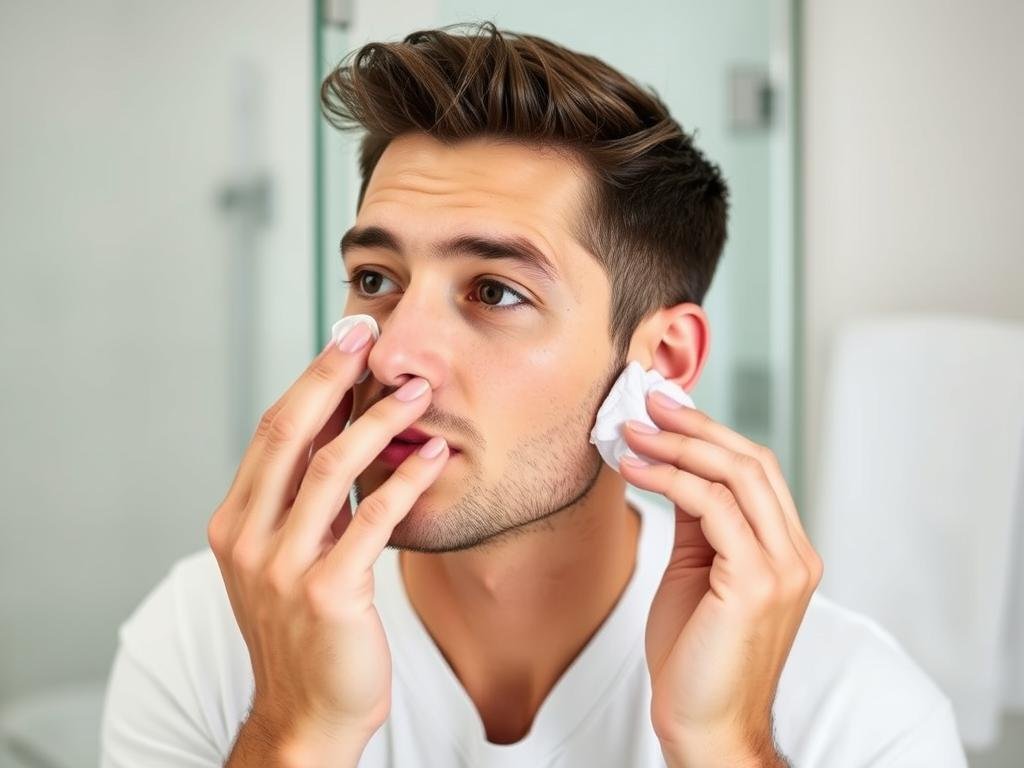
A good toner can be a game-changer for men with oily skin. Toners help remove any residual oil and impurities after cleansing, balance your skin’s pH, and temporarily tighten pores.
What to Look For:
- Alcohol-free formulations (alcohol can trigger more oil production)
- Ingredients like witch hazel, niacinamide, or zinc
- Astringent properties that help control shine
- Hydrating components to maintain moisture balance
Recommended Product: Balancing Facial Toner
This alcohol-free toner uses witch hazel and niacinamide to control oil production while zinc helps reduce inflammation and prevent breakouts. The formula is specifically designed for men’s thicker skin.
3. Use the Right Moisturizer (Yes, You Still Need One)
One of the biggest misconceptions about oily skin is that you should skip moisturizer. In reality, proper hydration is essential for all skin types, including oily skin. When your skin is dehydrated, it can actually produce more oil to compensate.
Choosing the Right Moisturizer:
- Look for lightweight, oil-free, or “non-comedogenic” formulas
- Gel or lotion textures work better than heavy creams
- Ingredients like hyaluronic acid provide hydration without oil
- Consider moisturizers with mattifying properties
- Products labeled “for oily skin” or “oil control” are ideal

Recommended Product: Oil-Control Gel Moisturizer
This lightweight gel formula absorbs quickly without leaving a greasy residue. Containing hyaluronic acid for hydration and niacinamide to regulate oil production, it provides 24-hour moisture while controlling shine.
4. Exfoliate Regularly (But Not Too Much)

Exfoliation is particularly important for oily skin as it helps remove dead skin cells that can mix with sebum and clog pores. However, over-exfoliation can damage your skin barrier and trigger more oil production.
Exfoliation Guidelines:
- Limit physical exfoliation (scrubs) to 1-2 times per week
- Consider chemical exfoliants with BHA (salicylic acid) or AHA (glycolic acid)
- Focus on your T-zone where oil production is highest
- Be gentle—harsh scrubbing stimulates oil glands
- Increase frequency gradually to avoid irritation
Recommended Product: Clarifying Exfoliant
This dual-action exfoliant combines gentle physical particles with salicylic acid to clear pores and remove dead skin cells. The formula is specifically calibrated for men’s thicker, oilier skin without causing irritation.
5. Consider Weekly Clay Masks
Clay masks are particularly effective for oily skin as they draw out impurities and absorb excess oil. Using a clay mask once a week can help keep oil production in check and minimize the appearance of pores.
Best Clay Mask Ingredients:
- Kaolin or bentonite clay for oil absorption
- Charcoal to draw out deep impurities
- Tea tree oil for antibacterial properties
- Zinc to regulate sebum production
- Hyaluronic acid to maintain hydration

Recommended Product: Purifying Charcoal Clay Mask
This deep-cleansing mask combines activated charcoal and kaolin clay to draw out impurities and absorb excess oil. The addition of tea tree oil helps combat bacteria while zinc helps regulate sebum production for long-lasting oil control.
Beyond Skincare: Lifestyle Factors That Affect Oily Skin
While a proper skincare routine is essential, controlling oily skin also requires addressing lifestyle factors that can contribute to excess sebum production.

Diet Modifications
What you eat can significantly impact your skin’s oil production. Consider these dietary adjustments:
- Reduce high-glycemic foods (white bread, sugary snacks)
- Limit dairy consumption, which may trigger oil production
- Increase omega-3 fatty acids (fish, walnuts, flaxseeds)
- Eat zinc-rich foods (pumpkin seeds, lean meats)
- Stay hydrated with plenty of water

Stress Management
Chronic stress triggers hormones that can increase oil production. Try these stress-reduction techniques:
- Regular physical exercise
- Meditation or mindfulness practices
- Adequate sleep (7-8 hours nightly)
- Breathing exercises
- Hobbies and activities you enjoy

Healthy Habits
Small daily habits can make a big difference in managing oily skin:
- Avoid touching your face throughout the day
- Change pillowcases frequently (2-3 times weekly)
- Clean your phone screen regularly
- Use oil-absorbing sheets for midday touch-ups
- Shower after heavy sweating or exercise
Quick Tip: Blotting Papers
Keep oil-absorbing blotting papers with you for quick touch-ups throughout the day. They remove excess oil without disturbing your skin or any products you’ve applied. Simply press (don’t rub) the paper against oily areas like your forehead, nose, and chin.
When to Consider Professional Treatments
If over-the-counter products and lifestyle changes aren’t providing sufficient control of your oily skin, professional treatments might be worth considering:
Dermatologist Consultations
A dermatologist can provide personalized advice and prescribe stronger treatments if needed:
- Prescription-strength retinoids to regulate oil production
- Oral medications for severe cases
- Professional-grade chemical peels
- Customized skincare regimens for your specific needs
In-Office Procedures
Several professional treatments can help manage persistent oily skin:
- HydraFacial treatments to deep clean pores
- Chemical peels to remove dead skin cells
- Laser treatments to reduce sebum production
- Microdermabrasion for improved skin texture

Need Expert Advice?
Connect with a dermatologist who specializes in men’s skin concerns to get personalized recommendations for your oily skin.
Putting It All Together: A Complete Routine for Men with Oily Skin
Based on all the information we’ve covered, here’s a comprehensive daily routine specifically designed for men with oily skin:
| Time of Day | Step | Product Type | Purpose |
| Morning | 1. Cleanse | Gentle foaming cleanser | Remove overnight oil buildup |
| Morning | 2. Tone | Alcohol-free toner | Balance pH and remove residual oil |
| Morning | 3. Moisturize | Oil-free gel moisturizer | Hydrate without adding oil |
| Morning | 4. Protect | Oil-free sunscreen (SPF 30+) | Protect skin without clogging pores |
| Midday | Touch-up | Blotting papers | Remove excess oil without disturbing products |
| Evening | 1. Cleanse | Same morning cleanser | Remove day’s oil, dirt, and product buildup |
| Evening | 2. Exfoliate | BHA exfoliant (2-3x weekly) | Clear pores and remove dead skin cells |
| Evening | 3. Tone | Same morning toner | Rebalance skin after cleansing |
| Evening | 4. Treat | Niacinamide or retinol serum | Regulate oil production and improve skin texture |
| Evening | 5. Moisturize | Lightweight oil-free moisturizer | Hydrate and repair overnight |
| Weekly | Mask | Clay or charcoal mask | Deep clean and absorb excess oil |
Ready to Transform Your Skin?
Get our complete oily skin management kit with all the essential products you need to implement this routine and take control of your oily skin.
Common Mistakes Men Make When Managing Oily Skin

Avoid These Pitfalls:
- Over-washing your face – Washing more than twice daily can strip your skin and trigger more oil production
- Using harsh, drying products – Products with high alcohol content may feel good initially but cause rebound oiliness
- Skipping moisturizer – Even oily skin needs hydration; skipping this step can make oiliness worse
- Over-exfoliating – Too much exfoliation damages your skin barrier and increases oil production
- Using the wrong products – Heavy, oil-based products designed for dry skin will clog pores
- Inconsistent routine – Skincare requires consistency; results take time to develop
“The key to managing oily skin isn’t about stripping away all oil—it’s about balance. Gentle, consistent care will yield better results than aggressive approaches.”
Taking Control of Your Oily Skin
Living with oily skin doesn’t have to mean constant shine, clogged pores, or breakouts. With the right knowledge, products, and habits, you can effectively manage your skin’s oil production and enjoy a clearer, more balanced complexion.
Remember that consistency is key—your skin won’t transform overnight, but with regular care and attention, you’ll see significant improvements over time. Be patient with your skin and adjust your routine as needed based on seasonal changes, stress levels, and how your skin responds to different products.
By understanding the unique needs of your oily skin and addressing both the external symptoms and underlying causes, you can take control of your skin health and put your best face forward every day.
Start Your Oily Skin Management Journey Today
Take our comprehensive skin assessment to receive personalized product recommendations and a customized routine specifically for your skin’s needs.