If you’ve noticed the term “face serum” popping up more frequently but aren’t quite sure what it means for your skincare routine, you’re not alone. Many men are discovering that these potent skincare products can make a significant difference in their appearance—but the world of serums can seem overwhelming at first. This guide breaks down everything you need to know about face serums for men, from what they actually do to how they can address specific skin concerns like aging, oiliness, or dryness.
What Exactly Are Face Serums?
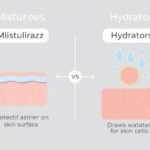
Face serums for men are highly concentrated, lightweight formulations designed to deliver potent active ingredients deep into your skin. Unlike thicker moisturizers that primarily work on the surface, serums contain smaller molecules that penetrate beyond the outer skin layers to address specific concerns at their source.
Think of serums as the specialized tools in your skincare arsenal. While cleansers remove dirt and moisturizers hydrate and protect, serums target specific issues like fine lines, dark spots, or excess oil production with concentrated ingredients.
Most serums have a thin, almost water-like consistency that absorbs quickly without leaving a greasy residue—making them particularly appealing for men who dislike heavy skincare products. They’re formulated with higher concentrations of active ingredients than typical moisturizers, which means you need less product to see results.

How Serums Differ From Other Skincare Products
| Product Type | Primary Function | Consistency | Absorption | When to Use |
| Face Serum | Target specific concerns with concentrated ingredients | Lightweight, thin liquid or gel | Deep penetration | After cleansing, before moisturizing |
| Cleanser | Remove dirt, oil, and impurities | Gel, foam, or cream | Surface level | Morning and evening, first step |
| Moisturizer | Hydrate and create protective barrier | Cream or lotion | Upper skin layers | After serum application |
| Face Oil | Seal in moisture and nutrients | Oil-based | Primarily surface level | Final step in routine |
Not Sure Where to Start?
Take a quick skin assessment to find the perfect serum for your specific needs.
Key Benefits of Face Serums for Men
Men’s skin has unique characteristics—it’s typically thicker, produces more oil, and ages differently than women’s skin. Face serums for men are formulated with these differences in mind, offering targeted solutions for common male skin concerns.

Combat Aging
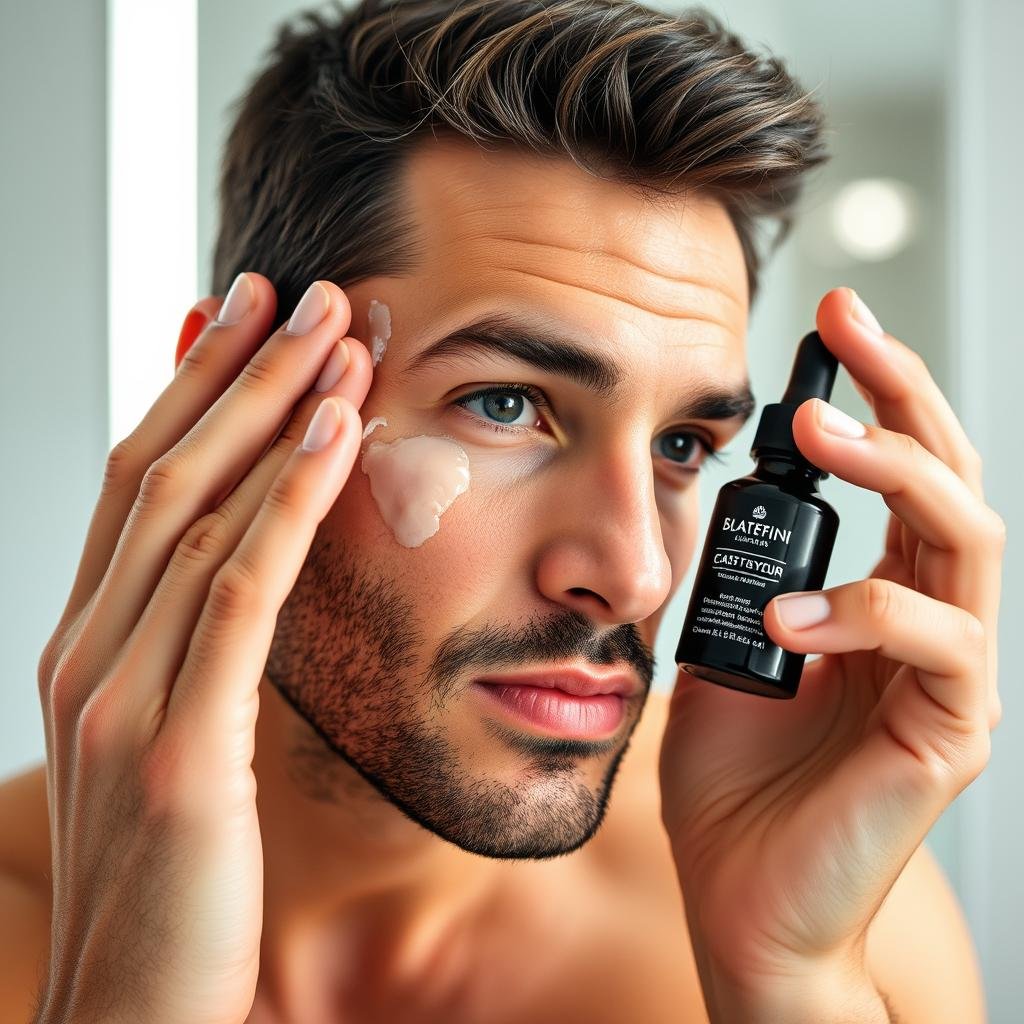
Men typically develop deeper wrinkles, especially around the eyes and forehead. Anti-aging serums with retinol and peptides stimulate collagen production to reduce fine lines and improve skin elasticity.
Control Oil
Men’s skin produces up to 4x more sebum than women’s. Oil-controlling serums with niacinamide and salicylic acid help regulate production and prevent shine without over-drying.
Deep Hydration
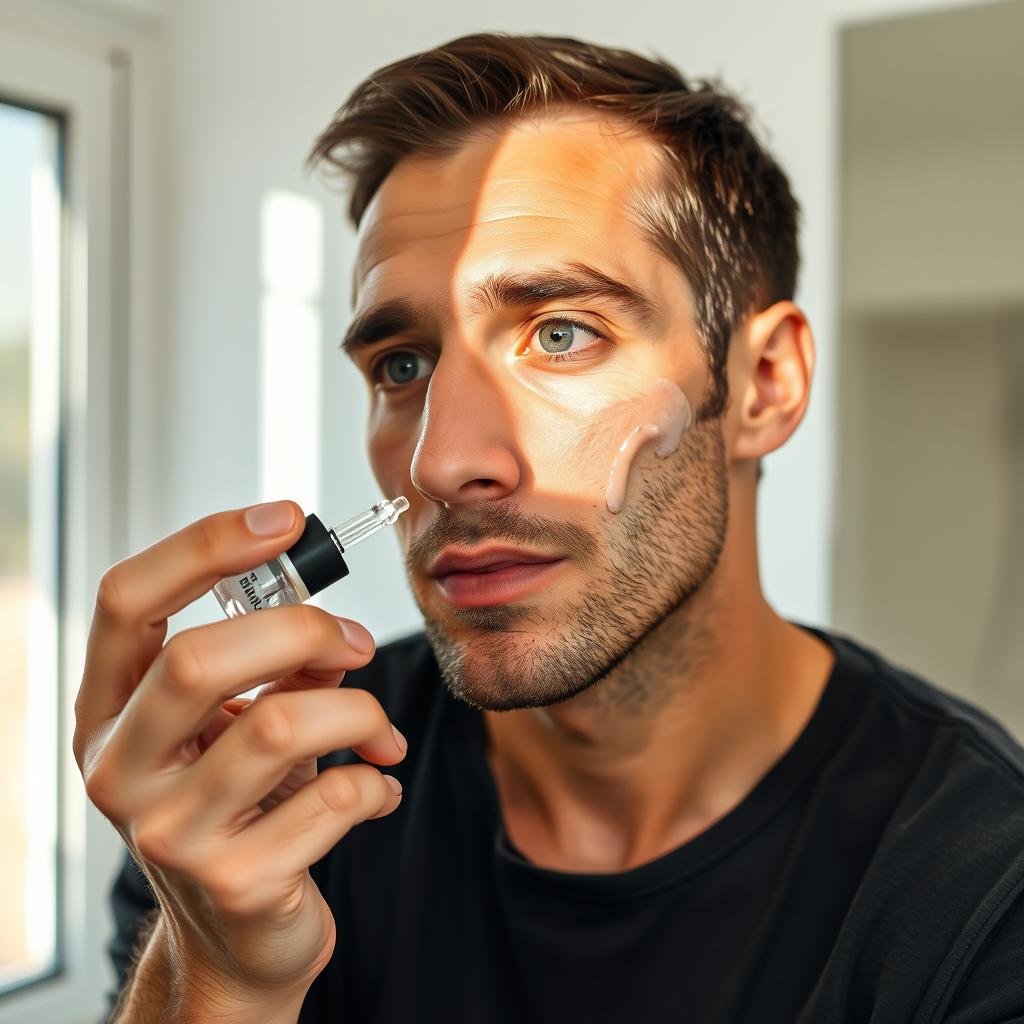
Regular shaving can strip the skin of moisture. Hydrating serums with hyaluronic acid deliver intense moisture to deeper skin layers without feeling heavy or greasy.

Reduce Irritation
Shaving and environmental factors can cause irritation and redness. Calming serums with ingredients like centella asiatica and zinc help soothe inflammation and strengthen the skin barrier.
Even Skin Tone
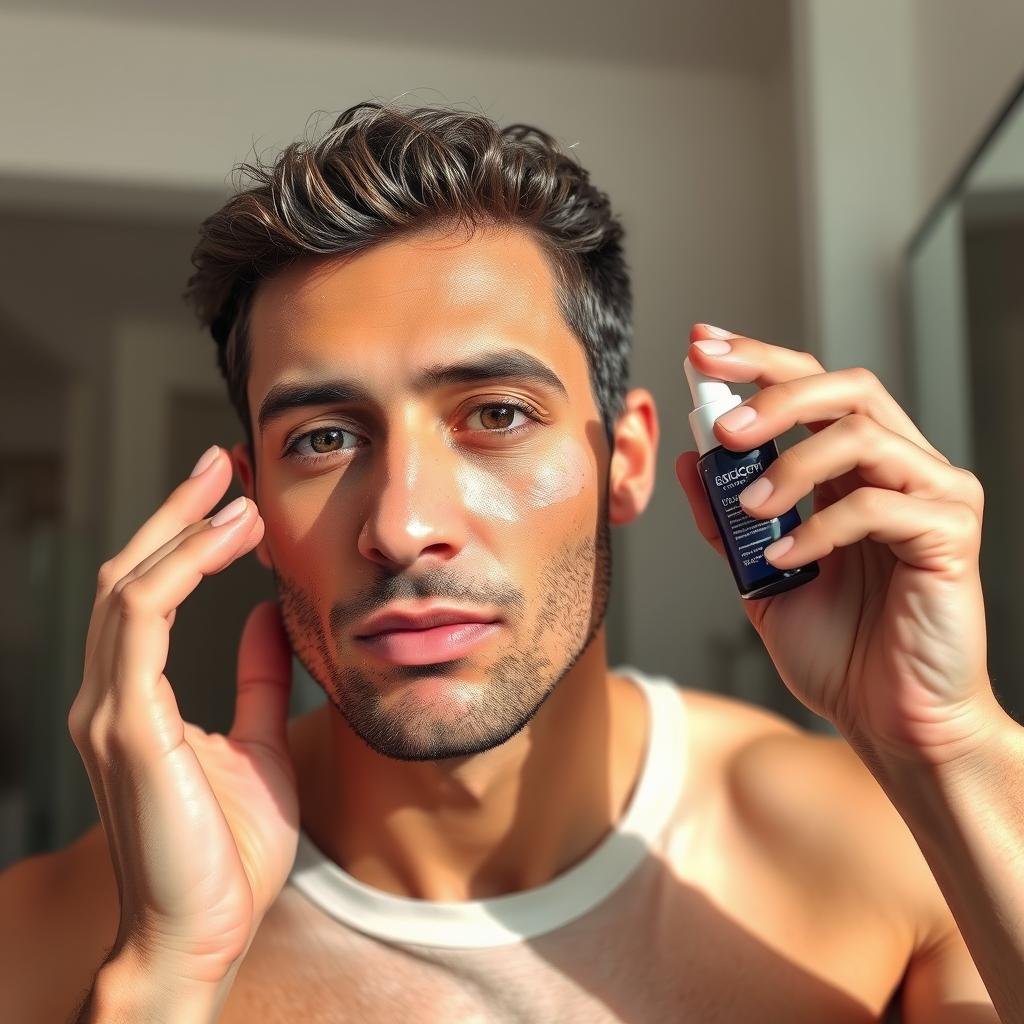
Sun exposure and aging can lead to uneven pigmentation. Brightening serums with vitamin C help fade dark spots and give skin a more uniform, energized appearance.
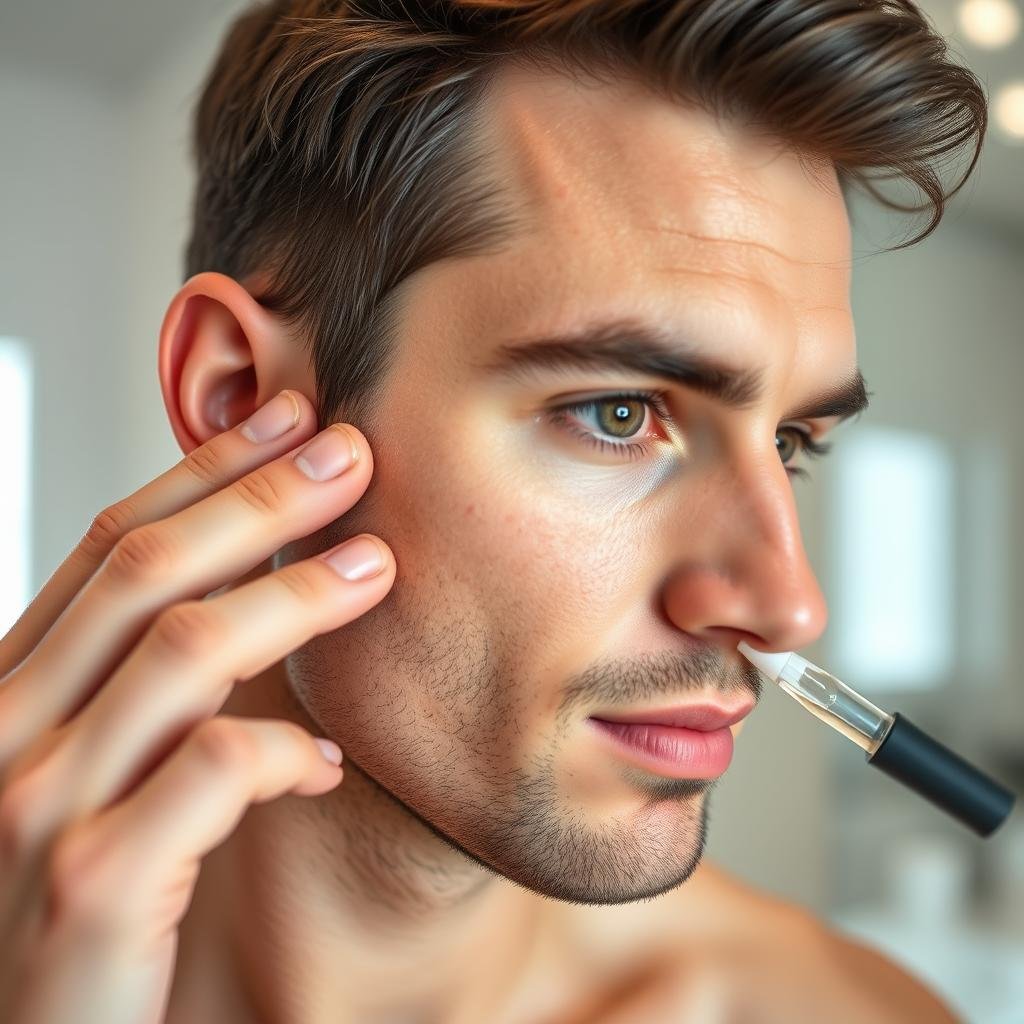
Minimize Pores
Men typically have larger, more visible pores. Serums with ingredients like niacinamide and retinol help reduce pore appearance and refine skin texture.
“The right serum can transform your skin in ways a basic cleanser and moisturizer simply can’t. It’s like the difference between a regular workout and one with a personal trainer—both are good, but one is specifically targeted to your needs.”
Understanding Key Serum Ingredients
The effectiveness of face serums for men comes down to their active ingredients. Here’s a breakdown of the most powerful ingredients to look for based on your skin concerns:
Hyaluronic Acid
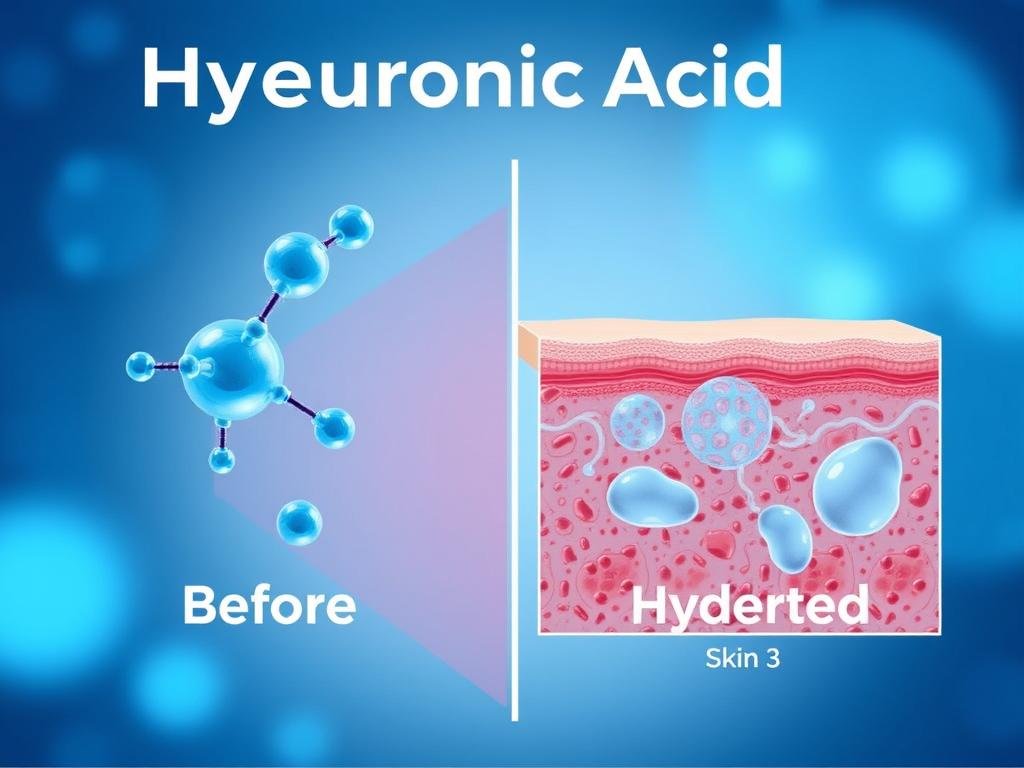
Hydration Hero This powerful humectant can hold up to 1,000 times its weight in water. It draws moisture into the skin, plumping it up and reducing the appearance of fine lines. Particularly beneficial for men with dry or dehydrated skin, especially after shaving.
Vitamin C
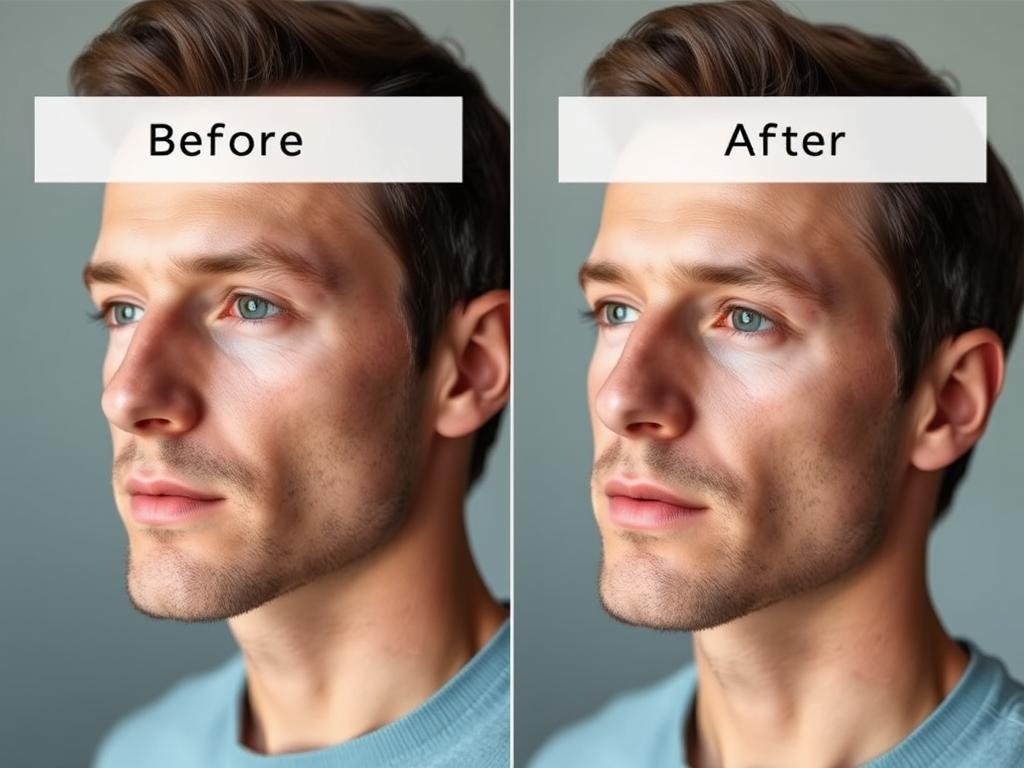
Brightening Agent A potent antioxidant that fights free radical damage, brightens skin tone, and boosts collagen production. Vitamin C serums help fade dark spots from sun exposure and give the skin a more energized appearance—perfect for men who spend time outdoors.
Retinol
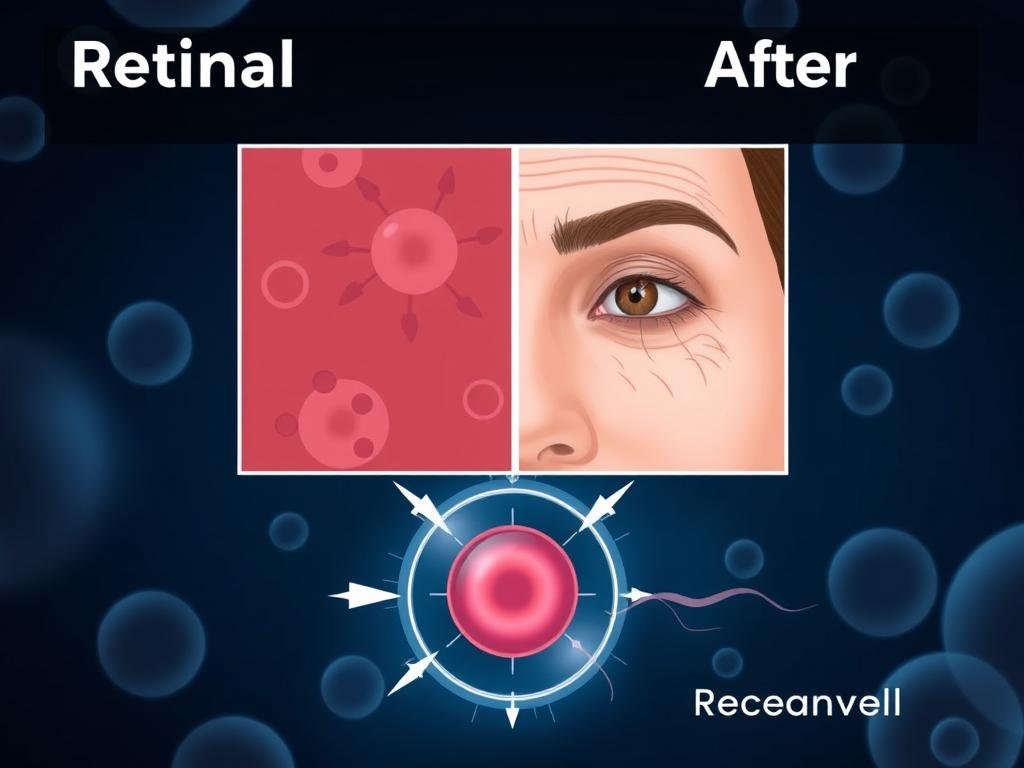
Anti-Aging Powerhouse A vitamin A derivative that accelerates cell turnover and stimulates collagen production. Retinol serums are the gold standard for reducing wrinkles, improving skin texture, and preventing signs of aging. Start with a low concentration if you’re new to retinol.
Niacinamide
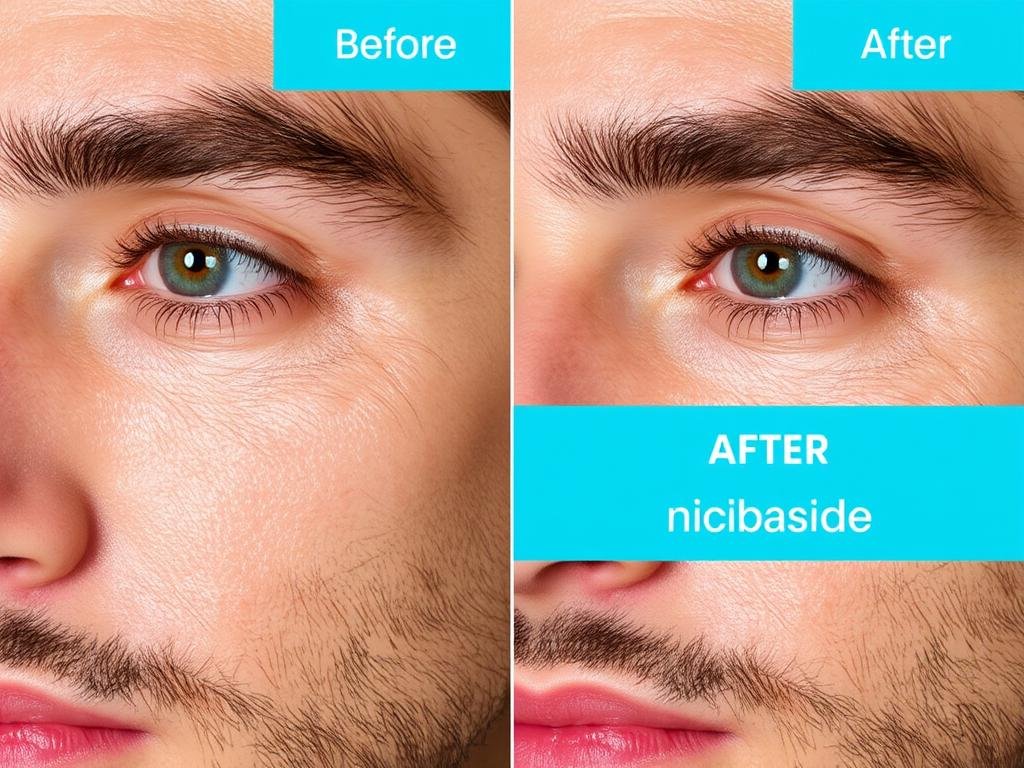
Multi-Tasker Also known as vitamin B3, niacinamide regulates oil production, minimizes pores, and strengthens the skin barrier. It’s an excellent ingredient for men with combination or oily skin and those concerned about enlarged pores.
Peptides
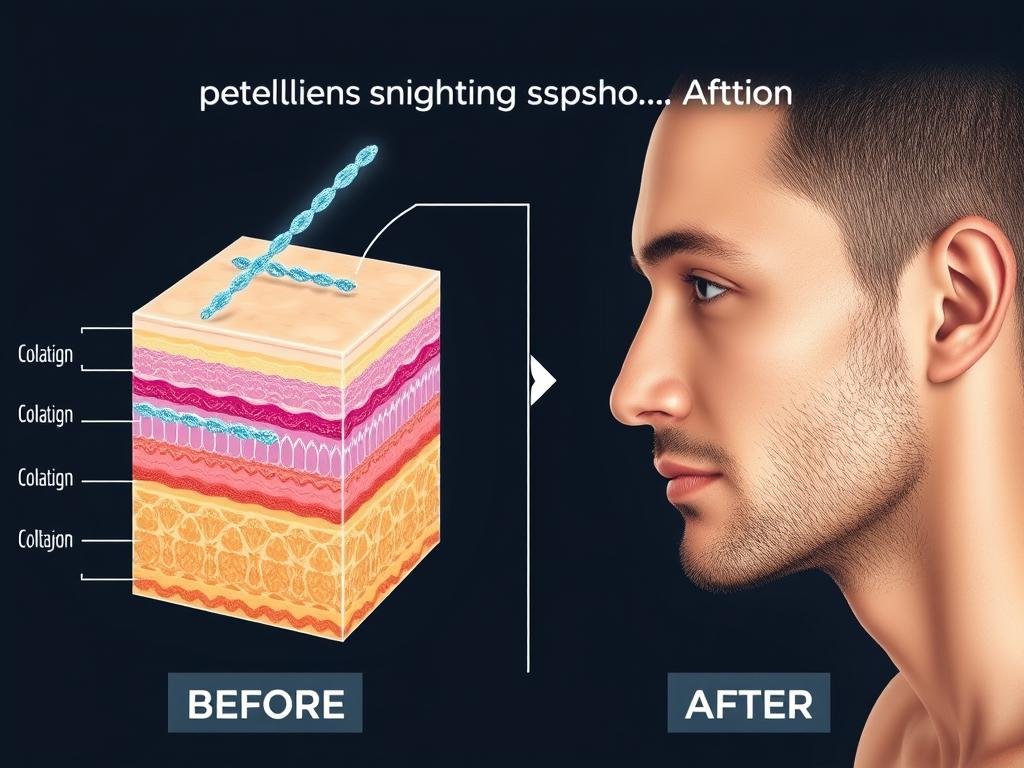
Collagen Boosters These chains of amino acids signal your skin to produce more collagen, improving elasticity and firmness. Peptide serums are excellent for men noticing sagging skin or loss of definition along the jawline.
Salicylic Acid

Pore Clearer A beta-hydroxy acid (BHA) that penetrates oil-filled pores to clear blockages and reduce breakouts. Salicylic acid serums are ideal for men with acne-prone skin or those who experience post-shave bumps and ingrown hairs.
Pro Tip: Ingredient Combinations
Some ingredients work better together, while others should never be mixed. For example:
- Vitamin C + Vitamin E + Ferulic Acid = Enhanced antioxidant protection
- Hyaluronic Acid + Niacinamide = Hydration + Oil control
- Avoid mixing: Retinol + Vitamin C (use at different times of day)
- Avoid mixing: Retinol + Salicylic Acid (too irritating for most skin)
Find Your Perfect Ingredient Match
Take our quick quiz to discover which serum ingredients will work best for your specific skin concerns.
How to Apply Face Serums Correctly
Even the best face serums for men won’t deliver results if they’re not applied correctly. Follow these steps to maximize the effectiveness of your serum:
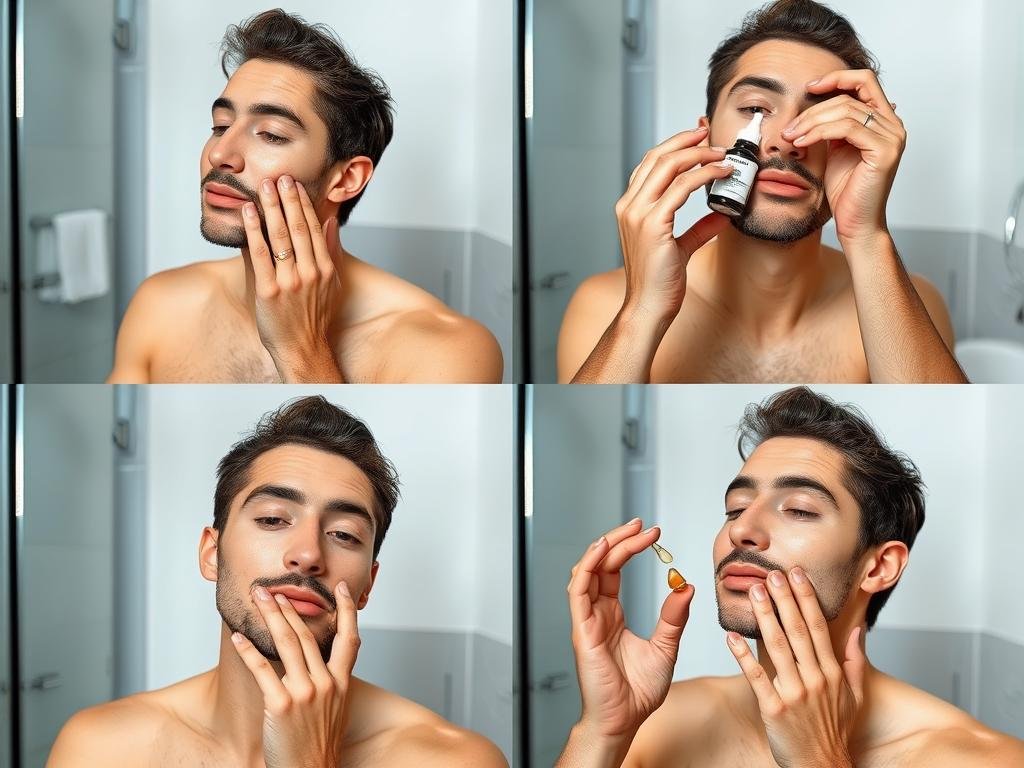
- Start with clean skin. Always apply serum to freshly washed skin. Use a gentle cleanser suitable for your skin type.
- Pat, don’t rub your face dry. Leave skin slightly damp for better absorption of water-based serums.
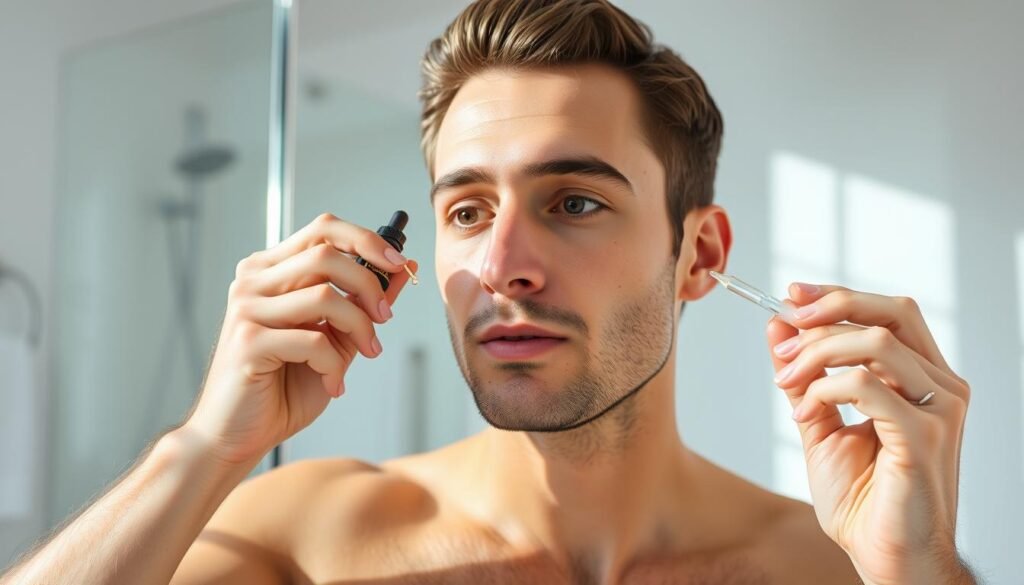
- Use the right amount. Most serums are concentrated—a pea-sized amount or 2-3 drops is typically sufficient for the entire face.
- Apply correctly. Warm the serum between your fingertips, then gently press (don’t rub) it into your skin.
- Target problem areas. Apply a bit more serum to areas of concern, such as fine lines around the eyes or areas with uneven pigmentation.
- Allow absorption time. Wait 30-60 seconds before applying moisturizer to allow the serum to fully penetrate.
- Follow with moisturizer. Always seal in your serum with a moisturizer to lock in the active ingredients.
When to Apply Face Serums
Morning Routine
- Cleanse face
- Apply antioxidant serums (Vitamin C, niacinamide)
- Apply hydrating serums (Hyaluronic acid)
- Follow with moisturizer
- Finish with sunscreen
Evening Routine
- Cleanse face thoroughly
- Apply treatment serums (Retinol, peptides, exfoliating acids)
- Apply hydrating serums
- Seal with night moisturizer
Serum Layering Guide
If using multiple serums, apply them in order from thinnest to thickest consistency. Water-based serums should go before oil-based ones. Allow 30 seconds between layers for optimal absorption.
Addressing Common Misconceptions
Despite growing popularity, face serums for men are still surrounded by several misconceptions that might be holding you back from incorporating them into your routine.
FACT
- Skincare is gender-neutral and based on skin biology
- Men’s skin has specific needs that serums can address
- Quality serums are available at various price points
- Serums can simplify your routine by targeting multiple concerns
- Properly formulated serums work for all skin types
MYTH
- “Skincare is just for women”
- “Men don’t need specialized products”
- “All serums are expensive luxury items”
- “Serums complicate your routine unnecessarily”
- “Serums are too heavy/greasy for men’s skin”
“The biggest misconception I hear from my male patients is that skincare is somehow ‘unmasculine.’ Your skin is your body’s largest organ—taking care of it isn’t about vanity, it’s about health.”

Finding the Right Face Serum for Your Skin Type
Not all face serums for men are created equal, and what works for one skin type might not work for another. Here’s how to choose the right serum based on your specific skin concerns:
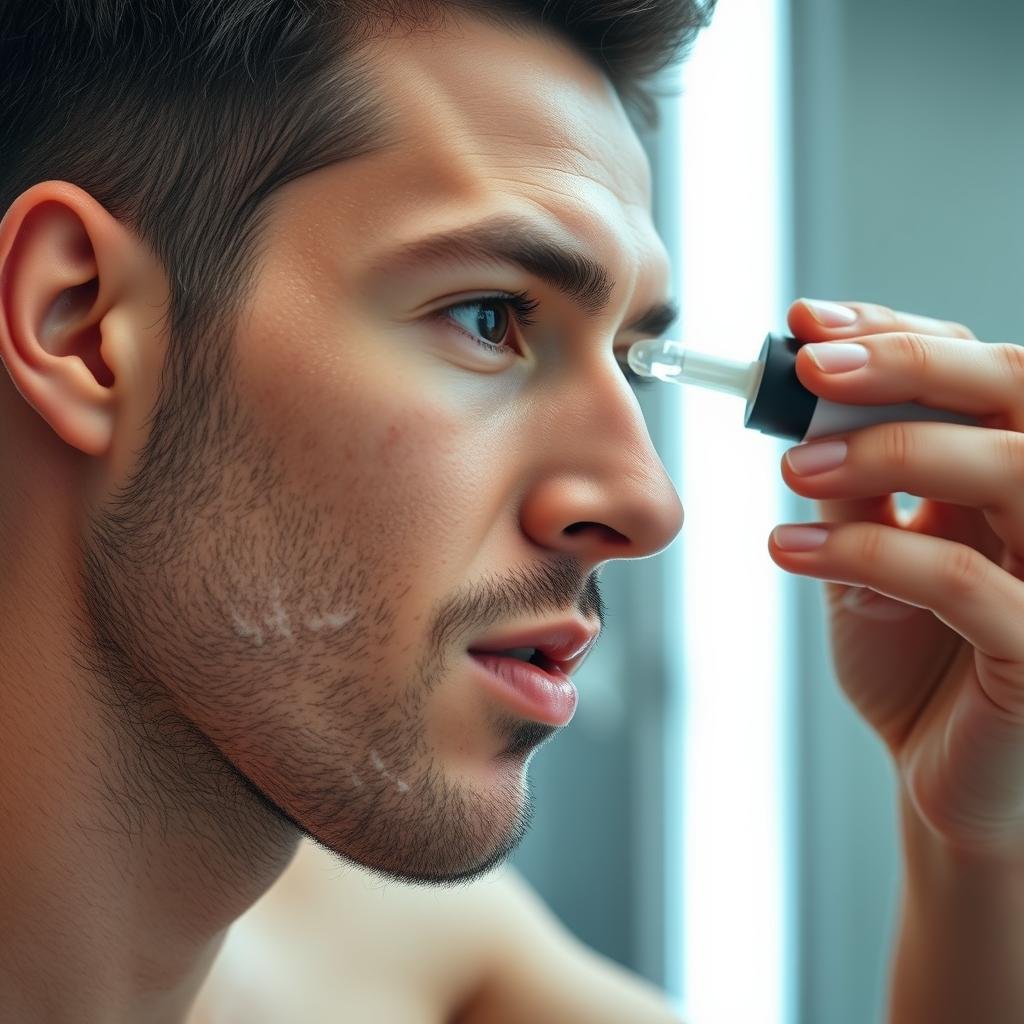
For Oily/Combination Skin
Look for lightweight, water-based serums with:
- Niacinamide (regulates oil production)
- Salicylic acid (unclogs pores)
- Zinc PCA (controls shine)
- Tea tree extract (antibacterial properties)
Avoid: Heavy oil-based serums
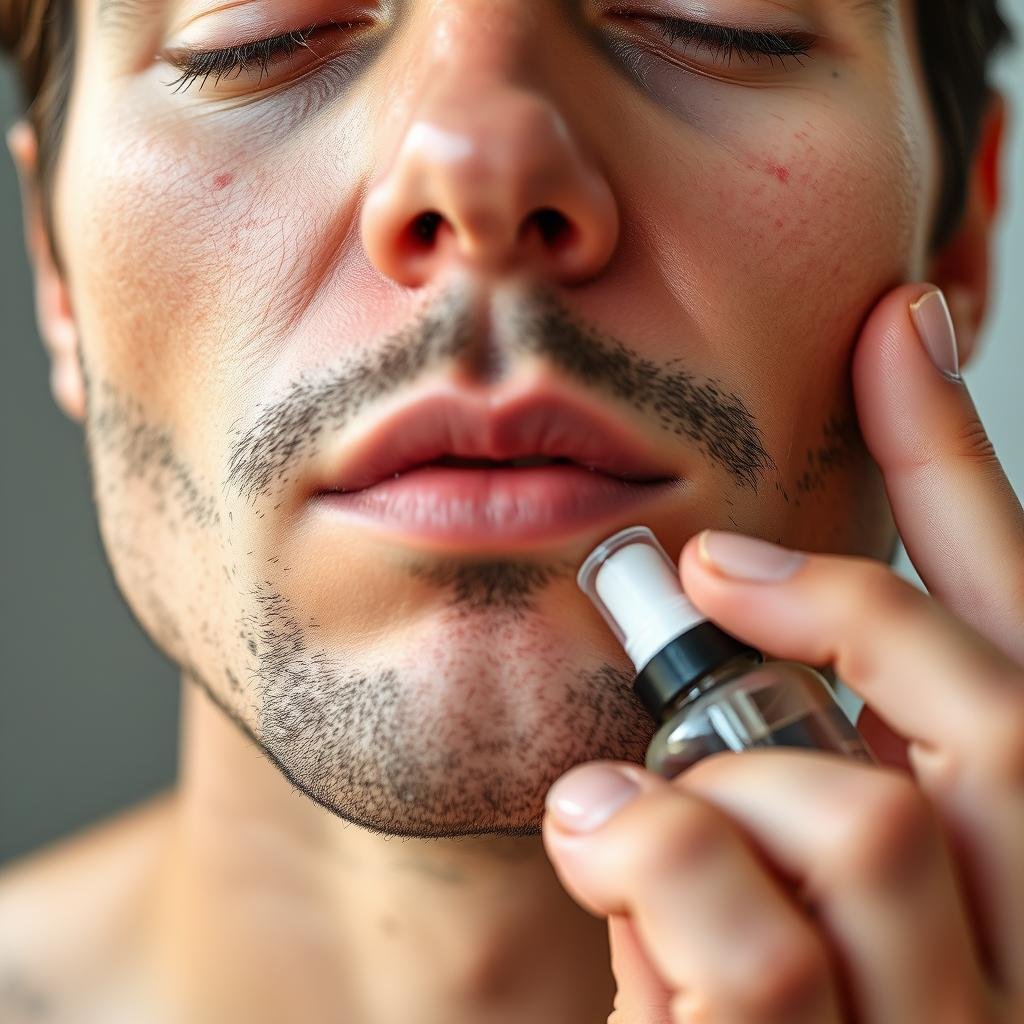
For Dry Skin
Choose nourishing serums containing:
- Hyaluronic acid (intense hydration)
- Glycerin (moisture retention)
- Ceramides (strengthen moisture barrier)
- Squalane (lightweight hydration)
Avoid: Alcohol-heavy formulations
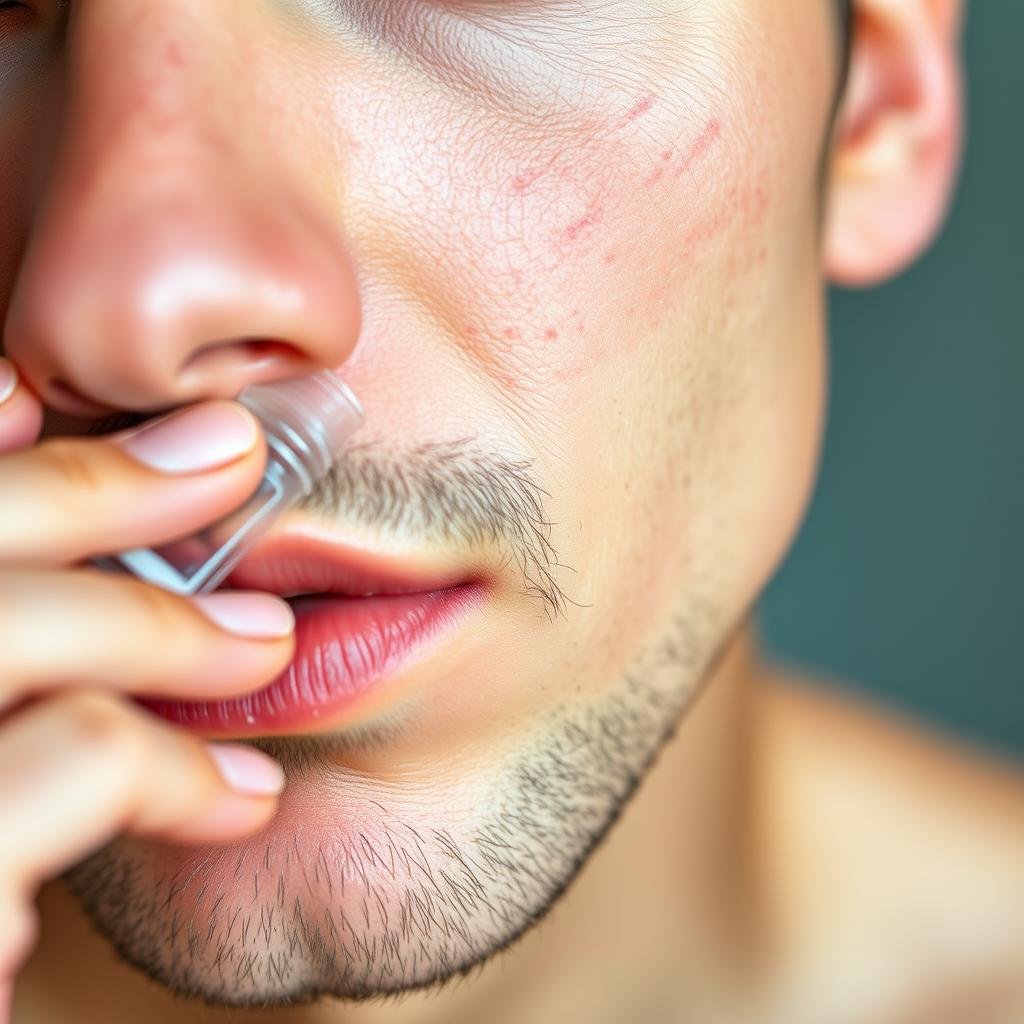
For Sensitive Skin
Opt for gentle, soothing serums with:
- Centella asiatica (calming)
- Aloe vera (soothing)
- Chamomile extract (anti-inflammatory)
- Panthenol (B5) (strengthens skin barrier)
Avoid: Fragrances and essential oils
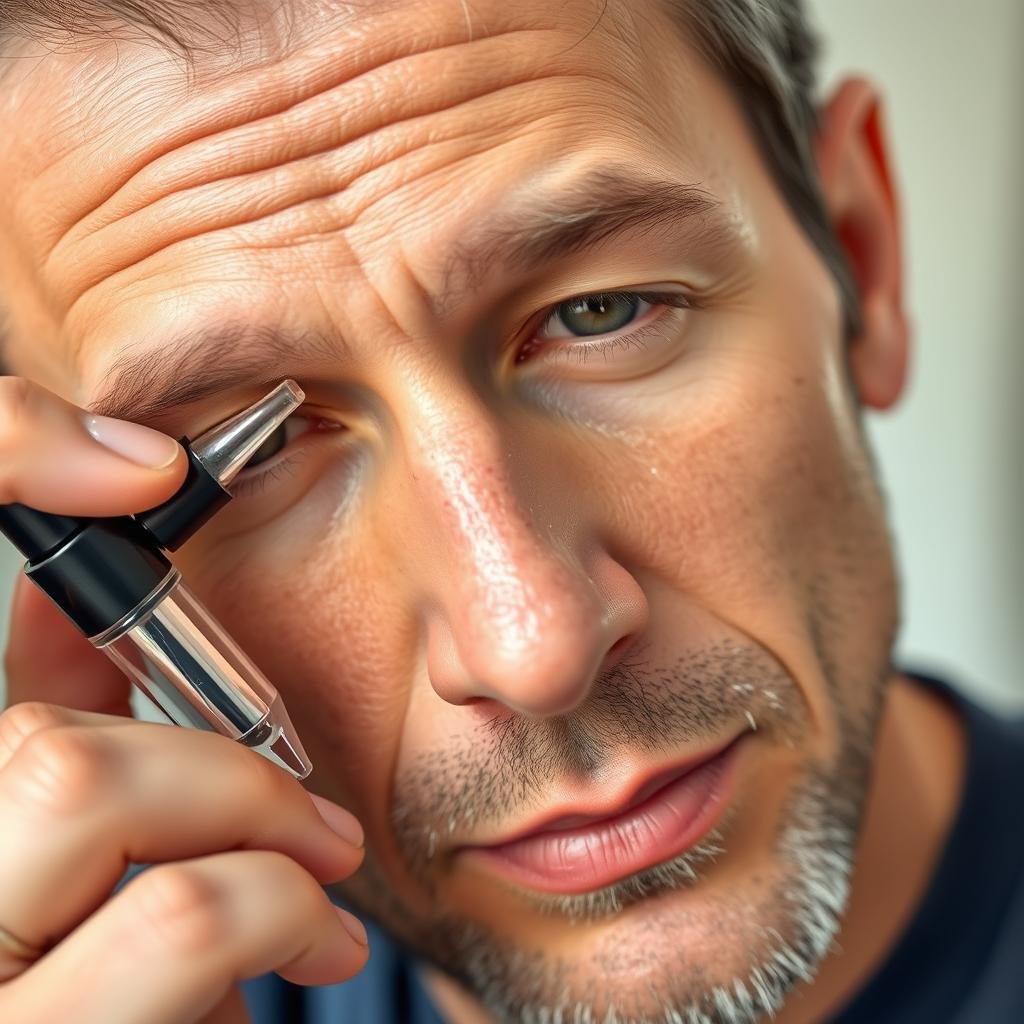
For Anti-Aging
Focus on regenerative serums containing:
- Retinol/Retinal (cell turnover)
- Peptides (collagen stimulation)
- Vitamin C (brightening and collagen support)
- Coenzyme Q10 (antioxidant protection)
Avoid: Harsh exfoliants if new to anti-aging
For Acne-Prone Skin
Select clarifying serums with:
- Salicylic acid (exfoliates inside pores)
- Niacinamide (reduces inflammation)
- Tea tree oil (natural antibacterial)
- Azelaic acid (kills acne bacteria)
Avoid: Heavy oils and comedogenic ingredients
For Uneven Tone/Dark Spots
Choose brightening serums with:
- Vitamin C (fades hyperpigmentation)
- Alpha arbutin (inhibits melanin production)
- Kojic acid (brightening properties)
- Licorice root extract (evens skin tone)
Avoid: Hydroquinone for long-term use
Start Slow with Active Ingredients
If you’re new to serums, introduce one product at a time and start with a lower concentration of active ingredients. This allows your skin to adjust and helps identify any potential irritants. Gradually increase frequency and strength as your skin adapts.
Cost Considerations: Are Expensive Serums Worth It?
Face serums for men range dramatically in price, from budget-friendly options under $15 to luxury formulations exceeding $200. Here’s what you need to know about serum pricing:
What Affects Serum Pricing
- Ingredient quality and concentration – Higher percentages of active ingredients typically cost more
- Research and development – Proprietary formulations with clinical testing
- Packaging technology – Airless pumps and UV-protective bottles preserve ingredients
- Brand positioning – Luxury brands command premium prices
Price Range Guide
| Price Range | What to Expect | Best For | Potential Limitations |
| Budget ($10-$25) | Basic formulations with 1-2 key active ingredients at moderate concentrations | Beginners, single-concern targeting, testing new ingredients | May contain fillers, fewer supporting ingredients, simpler formulations |
| Mid-range ($25-$75) | Well-formulated products with multiple actives at effective concentrations | Most men, balanced price-to-performance ratio | May lack some cutting-edge ingredients or technology |
| Premium ($75-$150) | Advanced formulations with higher concentrations and complementary ingredients | Specific concerns, established skincare users | Diminishing returns on investment compared to mid-range |
| Luxury ($150+) | Cutting-edge technology, proprietary complexes, extensive research | Those with specific needs and budget flexibility | Often paying for brand name and packaging |
“The most expensive serum isn’t necessarily the best for your skin. I’ve seen $20 serums outperform $200 ones. Focus on finding the right ingredients for your specific concerns rather than the price tag.”
Value Tip: Ingredient-Focused Brands
Several brands focus on high-quality ingredients at accessible price points by minimizing marketing costs and using simple packaging. Look for brands that clearly state active ingredient percentages and focus on transparency in their formulations.
Getting Started with Face Serums: A Simple Approach
If you’re new to face serums for men, here’s a straightforward way to incorporate them into your routine:

Step 1: Identify Your Main Concern
Start with addressing your most pressing skin issue:
- Fine lines and wrinkles
- Dryness or dehydration
- Oiliness or large pores
- Uneven tone or dark spots
- Sensitivity or redness
Step 2: Choose One Targeted Serum
Begin with a single serum that addresses your main concern:
- Anti-aging: Retinol or peptide serum
- Hydration: Hyaluronic acid serum
- Oil control: Niacinamide serum
- Brightening: Vitamin C serum
- Calming: Centella or aloe serum
Step 3: Integrate Into Basic Routine
Add your serum to a simple routine:
- Cleanse face
- Apply serum to slightly damp skin
- Allow 30-60 seconds to absorb
- Follow with moisturizer
- Add sunscreen in the morning
Consistency is Key
Most serums take 4-6 weeks of consistent use to show significant results. Take a “before” photo to track your progress, and be patient—the most dramatic improvements often come with regular, long-term use.
Ready to Transform Your Skin?
Start with our bestselling starter kit designed specifically for men new to serums. Includes a gentle cleanser, all-purpose serum, and lightweight moisturizer.
The Bottom Line: Should Men Use Face Serums?
Face serums for men aren’t just another unnecessary step in your grooming routine—they’re targeted solutions that deliver powerful ingredients where your skin needs them most. Whether you’re concerned about aging, oiliness, dryness, or uneven tone, there’s a serum formulated to address your specific needs.
The key is finding the right product for your skin type and concerns, then using it consistently as part of a simple routine. You don’t need a dozen products—even adding one well-chosen serum can make a noticeable difference in how your skin looks and feels.
Remember that good skincare isn’t about vanity—it’s about health, confidence, and taking care of your largest organ. Face serums are simply tools that help you achieve healthier skin with minimal effort.
Start Your Skincare Journey Today
Try our free sample kit with three essential serums formulated specifically for men’s skin. Just cover shipping.

Frequently Asked Questions About Face Serums for Men
How long does it take to see results from a face serum?
Most serums require 4-6 weeks of consistent use to show significant results, as this aligns with your skin’s natural renewal cycle. However, hydrating serums may show immediate improvements in skin plumpness and texture. Anti-aging and brightening serums typically take longer to demonstrate visible changes.
Can I use multiple serums at once?
Yes, you can use multiple serums to target different concerns, but it’s important to layer them correctly. Apply water-based serums before oil-based ones, and avoid combining potentially irritating ingredients (like retinol and vitamin C) in the same application. If you’re new to serums, start with one product and gradually add others to avoid overwhelming your skin.
Are serums necessary if I already use a moisturizer?
While not absolutely necessary, serums complement moisturizers by delivering concentrated active ingredients that address specific concerns. Moisturizers primarily hydrate and protect the outer skin layers, while serums penetrate deeper to target issues like aging, hyperpigmentation, or acne at their source. Think of serums as the treatment step and moisturizers as the protective step.
Can men with beards use face serums?
Absolutely. Men with facial hair can and should use serums, focusing application on the skin beneath the beard. Serums can help address issues like dryness, flaking, or irritation that often occur under facial hair. For easier application, massage the serum into the skin using fingertips, ensuring it reaches the skin rather than just coating the hair.
How much serum should I apply?
Less is more with serums due to their concentrated nature. Typically, 2-3 drops or a pea-sized amount is sufficient for the entire face. Applying too much product won’t increase effectiveness and may lead to waste or potential irritation with certain active ingredients.