If you’ve ever stood in the skincare aisle feeling overwhelmed by products promising to quench your skin’s thirst, you’re not alone. The terms “hydrating” and “moisturizing” are often used interchangeably on product labels, but they actually refer to different processes that address distinct skin needs. Understanding the difference between a moisturizer and a hydrator is crucial for achieving that coveted healthy, plump, and radiant complexion. In this comprehensive guide, we’ll demystify these skincare essentials, explain how they work at a cellular level, and help you determine which one your skin truly needs.
What you’ll learn: a clear, practical breakdown of moisturizer vs hydrator, how to tell what your skin needs, and quick routines and product picks tailored for men — including post-shave and beard-friendly tips.
If you’re a man with busy mornings, jump to the quick routine section to get a no-fuss 2-step plan you can start today.
What’s the Difference Between Hydrating and Moisturizing?
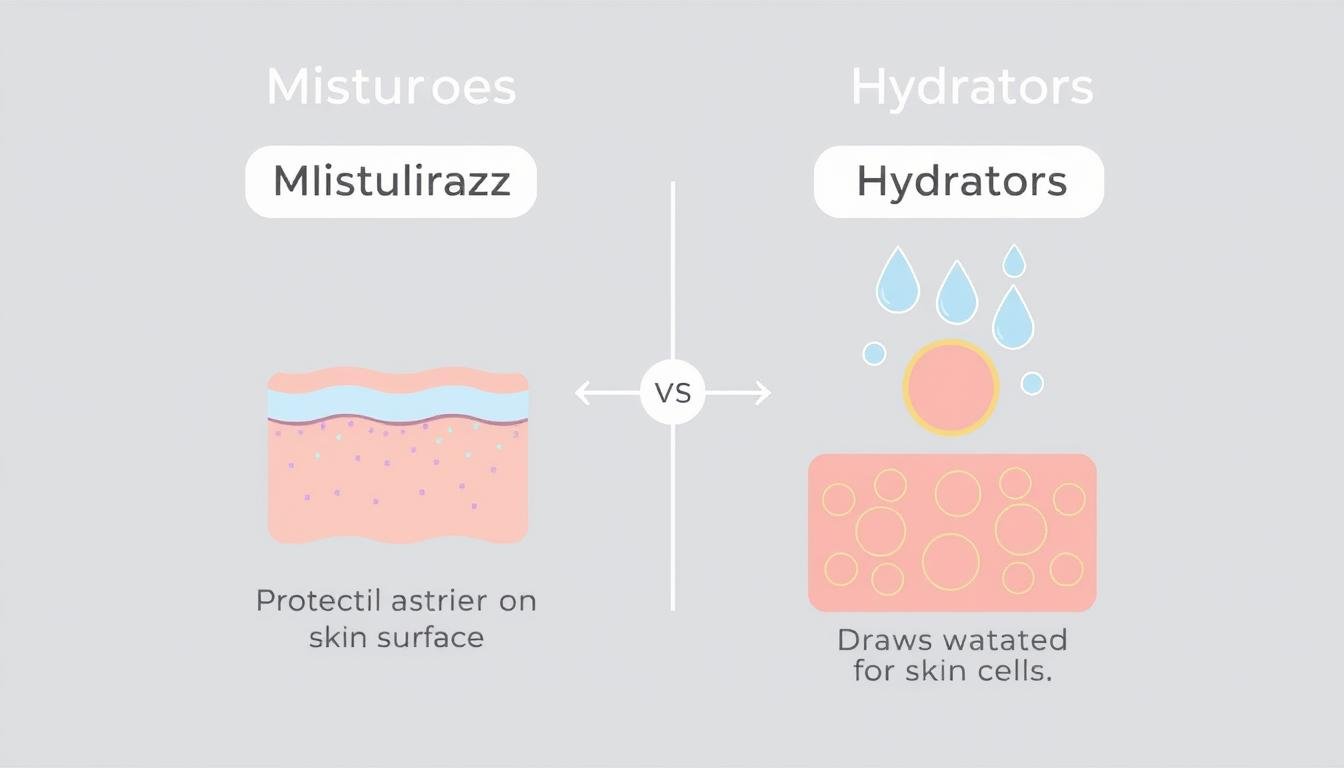
Moisturizers create a protective barrier while hydrators draw water into the skin
Though often used interchangeably on labels, hydrating and moisturizing describe two different ways to support healthy skin. Hydration is about the water inside skin cells — the thing that makes skin plump and elastic. Moisturization is about preventing that water from escaping by sealing and repairing the skin barrier.
Think of skin cells as tiny grapes: hydrated cells are full and firm; without enough water they shrivel. Hydrators (humectants) help skin cells吸水 and stay “grape-like,” while moisturizers (emollients and occlusives) lock that water in so it doesn’t evaporate.
“Hydrators are ingredients called humectants, such as glycerin or hyaluronic acid, that attract and hold water from the air or deeper skin layers — though they work best when humidity is adequate or when followed by a moisturizer. Moisturizers are oil-based or barrier-restoring ingredients that create a seal on the skin to prevent water loss.”
Practical note for men: after shaving you may notice tightness — that’s often dehydration (low water in cells), not necessarily a lack of oil. Use a light hydrator first, then a non-greasy moisturizer to keep skin comfortable.
How Moisturizers and Hydrators Work at a Cellular Level
How Hydrators Work
Hydrators rely on humectants — water-loving molecules such as hyaluronic acid and glycerin — that attract and hold water. They pull water from two places: the surrounding air when humidity is adequate, and from deeper layers of your skin when humidity is low. Note: in low-humidity environments, humectants can draw water up from deeper layers and may increase surface water loss unless followed by a moisturizer.
At a cellular level, hydrators increase the water content inside skin cells and the spaces between them, improving elasticity and the skin’s ability to function. That extra water plumps cells and reduces the appearance of fine lines, while also helping other active ingredients penetrate more effectively.
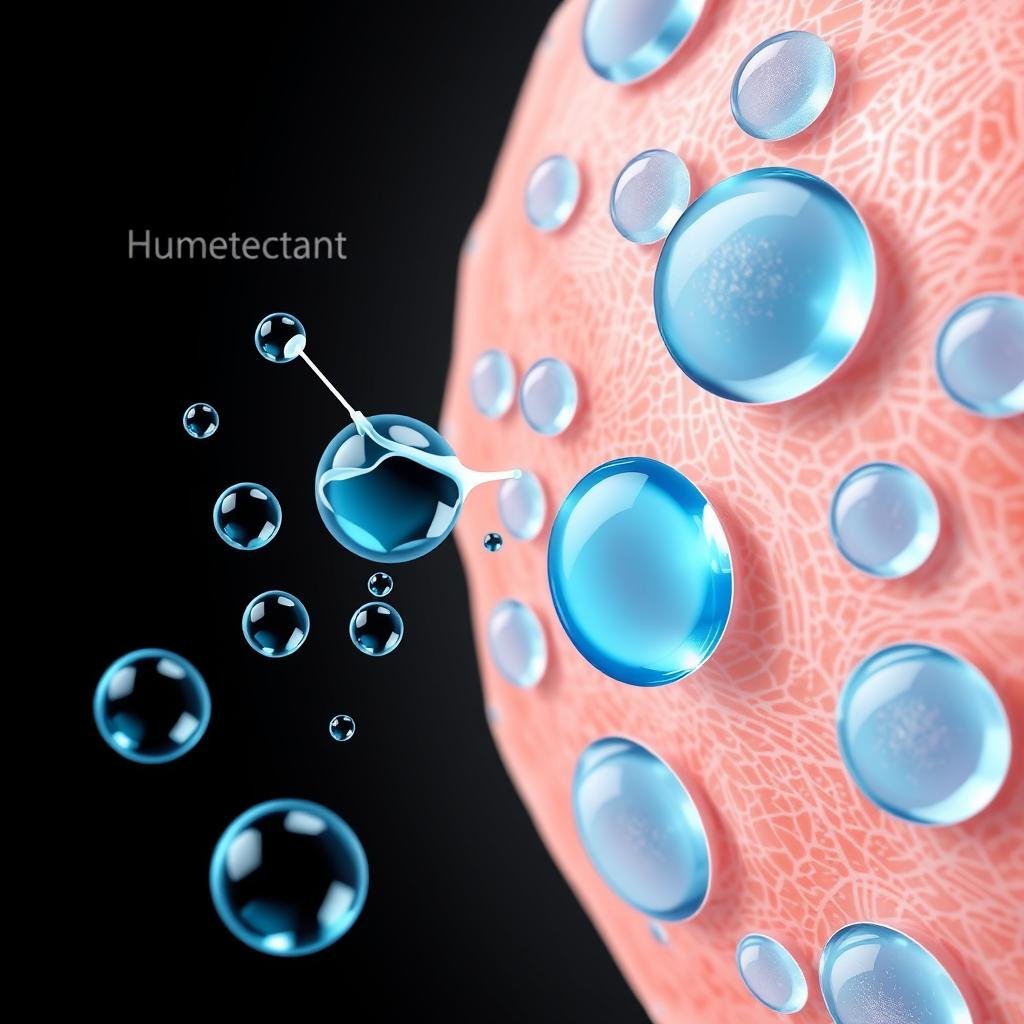
Takeaway: use humectants (hyaluronic acid, glycerin) to boost hydration; pair with a moisturizer to keep that water in.
How Moisturizers Work
Moisturizers act mainly on the skin surface. They contain emollients that smooth the skin and occlusives (like petrolatum or shea butter) that form a physical barrier to prevent transepidermal water loss (TEWL). Strengthening the skin barrier helps your skin keep the hydration you’ve added and protects it from environmental stressors.
Keeping a healthy barrier is important: skin naturally loses water each day through evaporation, so locking moisture in helps maintain softness, resilience, and overall skin health. Ingredients such as ceramides and squalane both repair and mimic the skin’s natural lipids to support long-term barrier function.
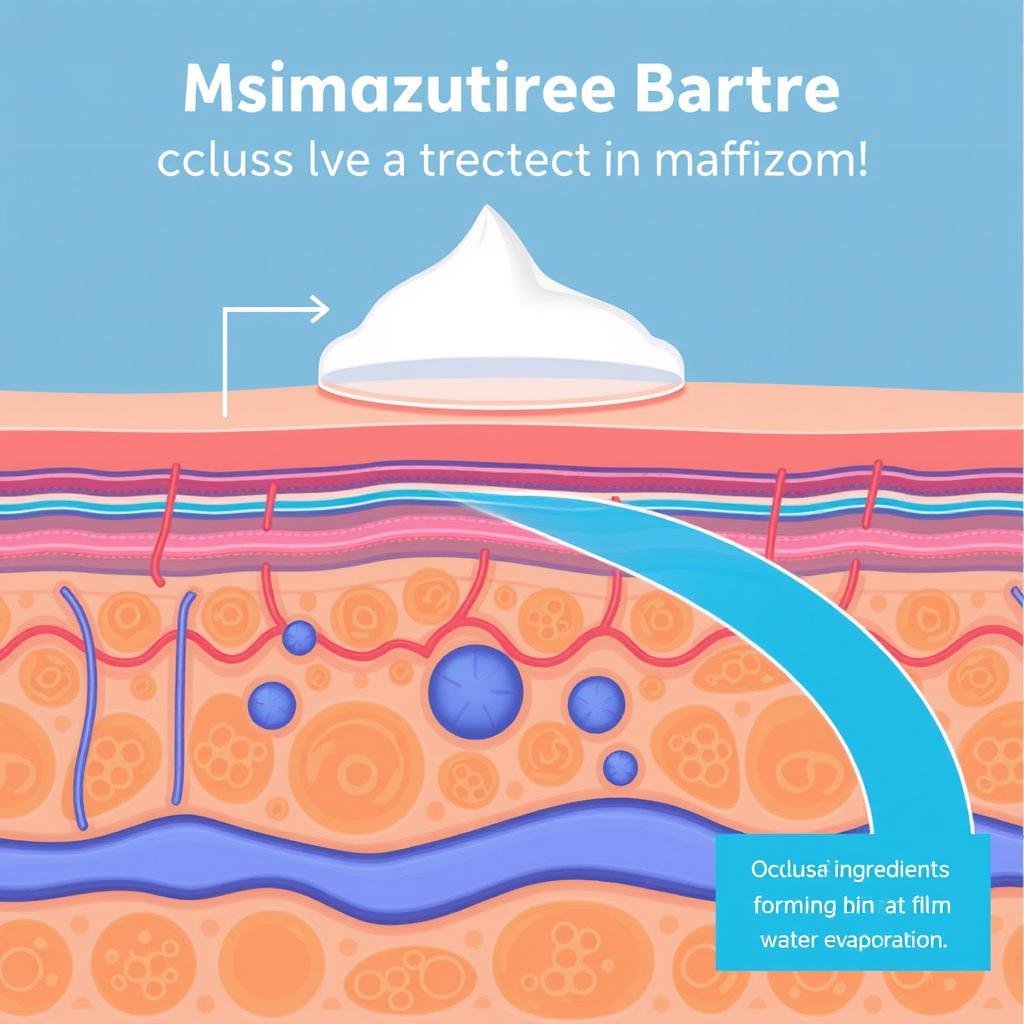
Takeaway: choose occlusives and emollients (petrolatum, shea butter, squalane, ceramides) to lock moisture and keep skin comfortable.
Quick male-focused example: after shaving, apply a light hydrator (a hyaluronic acid serum) to replenish water in cells, then follow with a non-greasy moisturizer to restore the barrier and keep skin from feeling tight.
Want ingredient details? See the Key Ingredients section for specific humectants, emollients, and occlusives and product suggestions tailored by skin type.
Key Ingredients in Hydrators vs Moisturizers
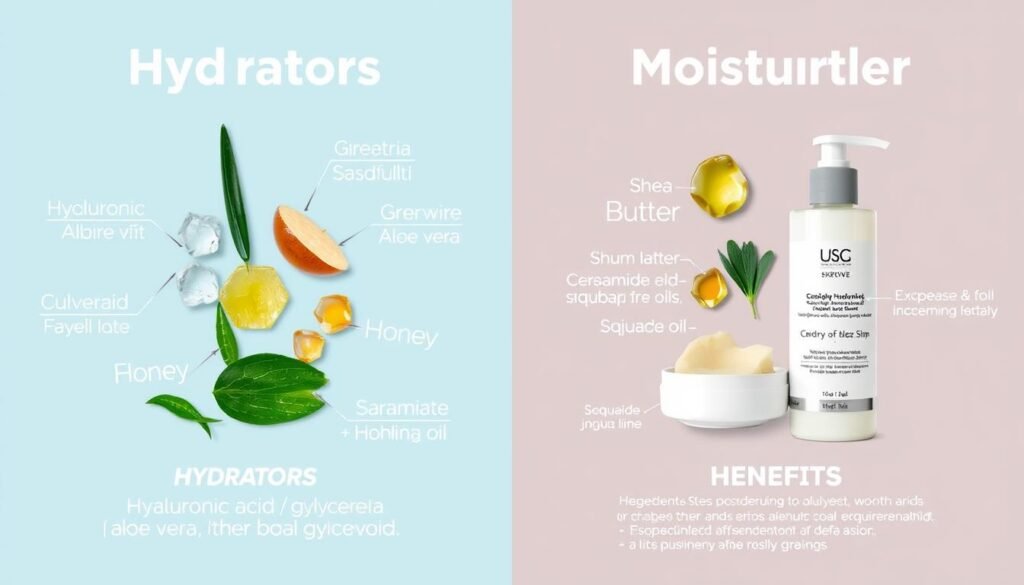
| Hydrator Ingredients | How They Work | Moisturizer Ingredients | How They Work |
| Hyaluronic Acid | Holds large amounts of water relative to its weight (marketing often cites “up to 1,000×” for some forms) | Shea Butter | Creates a protective barrier, softens skin and fills surface lines |
| Glycerin | Powerful humectant that draws water from the air and deeper skin layers | Plant Oils (Jojoba, Coconut) | Emollients that mimic skin lipids and help prevent water loss |
| Aloe Vera | Mostly water with soothing polysaccharides; hydrates and calms skin | Ceramides | Lipids that strengthen the skin barrier and reduce moisture loss |
| Honey | Natural humectant with mild antimicrobial benefits | Squalane | Lightweight oil that restores skin lipids without greasiness |
| Lactic Acid | AHA that hydrates while gently exfoliating to improve texture | Petrolatum | Strong occlusive that locks moisture in by creating a physical seal |
| Snail Mucin | Contains natural humectants and ingredients that support repair | Lanolin | Natural occlusive that forms a protective barrier on the skin |
Quick takeaways (scannable):
- Hyaluronic acid — go-to hydrator for plumping fine lines and boosting surface hydration; typical serums range from low single-digit percentages up to higher concentrations depending on the formula.
- Glycerin — effective, inexpensive humectant found in many products; works well in most climates when paired with a moisturizer.
- Occlusives like petrolatum and lanolin — best when you need to lock moisture in (night routines, cold/dry weather).
- Ceramides and squalane — help repair and mimic the skin’s natural lipids to strengthen the skin barrier and keep skin healthy without heavy residue.
Hybrid Ingredients That Both Hydrate and Moisturize
Some ingredients deliver both hydration and barrier support — useful for combination or dehydrated skin:
- Sodium PCA: Naturally found in skin, attracts water and supports barrier function — great for combination or dehydrated skin.
- Urea: At low concentrations (around 5% or less) acts as a humectant and mild exfoliant; higher concentrations are used in clinical formulas.
- Panthenol (Pro‑Vitamin B5): Draws water into the skin and helps improve barrier resilience.
- Niacinamide: Boosts barrier function and reduces moisture loss — a versatile choice for many skin types.
Men’s quick picks: For a fast, non-greasy AM routine choose a gel hyaluronic serum + a lightweight squalane or ceramide lotion (fragrance-free). For cold seasons or post-shave, layer a humectant serum with a richer cream containing shea butter or petrolatum at night.
Want product suggestions by budget and skin type? See the Product Recommendations section for hydrators and moisturizers tailored to different needs.
Which Skin Types Benefit from Moisturizers vs Hydrators?
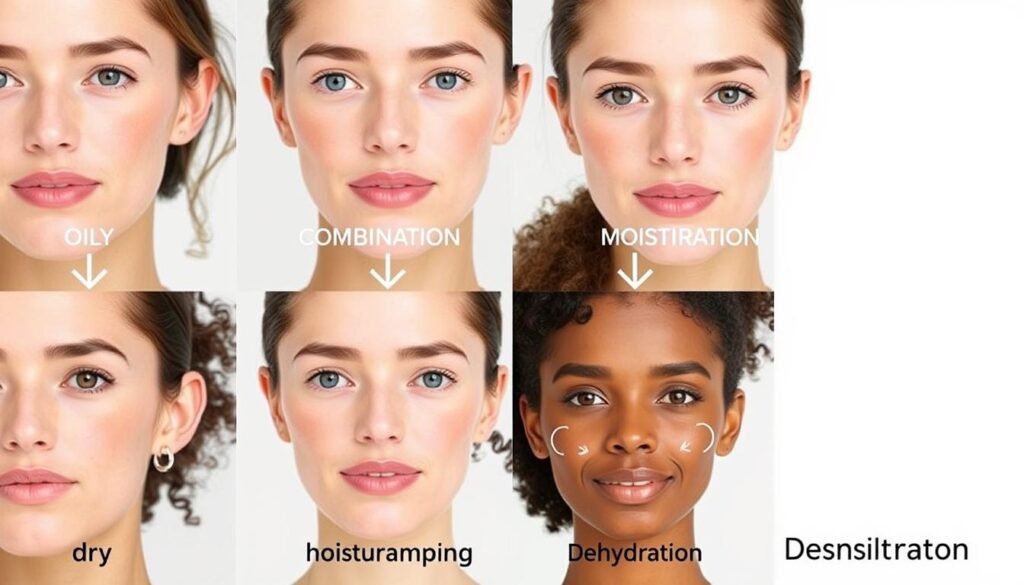
- Lacks natural oils and often feels tight
- May flake, peel, or appear rough
- Primary Need: Moisturizer
- Choose rich creams with emollients and occlusives (butter- or oil-based)
- Benefit: restores the skin barrier and prevents water loss
- Men’s pick: fragrance-free, non-greasy night cream with ceramides or shea butter
Dry Skin
- Excess sebum production and a shiny T‑zone
- Can still be low on cellular water (dehydrated)
- Primary Need: Hydrator
- Look for oil-free, water-based formulas (gels, lightweight serums)
- Avoid heavy occlusives that can feel greasy or clog pores
- Men’s pick: gel hyaluronic serum under a lightweight, oil-free lotion
Oily Skin
- Oily T‑zone with drier cheeks
- Different areas need different products
- Primary Need: Both
- Use hydrators across the face and moisturizers on dry patches
- Benefit from lightweight, balanced formulas (gel‑creams)
- Men’s pick: apply a hydrating serum all over, richer cream only where needed (cheeks, around mouth)
Combination Skin
Special Consideration: Dehydrated Skin
Dehydrated skin is a condition, not a permanent skin type — it means your skin is low on water, and it can affect dry, oily, or combination skin. Common signs of dehydrated skin include dullness, increased appearance of fine lines and wrinkles, tightness that can coexist with oiliness, and heightened sensitivity.
- Dull, lackluster complexion
- Fine lines look more pronounced
- Skin feels tight but may look oily
- More easily irritated after shaving or harsh products
Quick self-check: Gently pinch your cheek. If it tents or wrinkles with light pressure instead of bouncing back quickly, your skin may be dehydrated. This is a simple check — for persistent concerns, consult a dermatologist.
At-a-glance choices for men:
- If you shave daily: use a lightweight hydrator (hyaluronic serum) after shaving, then a light moisturizer to repair the barrier.
- If your beard area is dry: apply a richer moisturizer to the skin under your beard or use a conditioning oil sparingly.
- If you have oily skin but tightness: prioritize hydrating serums and non-comedogenic moisturizers to restore water without adding grease.
Want to put this into action? See the Routine Guide for easy AM/PM plans and product recommendations matched to each skin type.
How to Determine if Your Skin Needs Hydration, Moisture, or Both
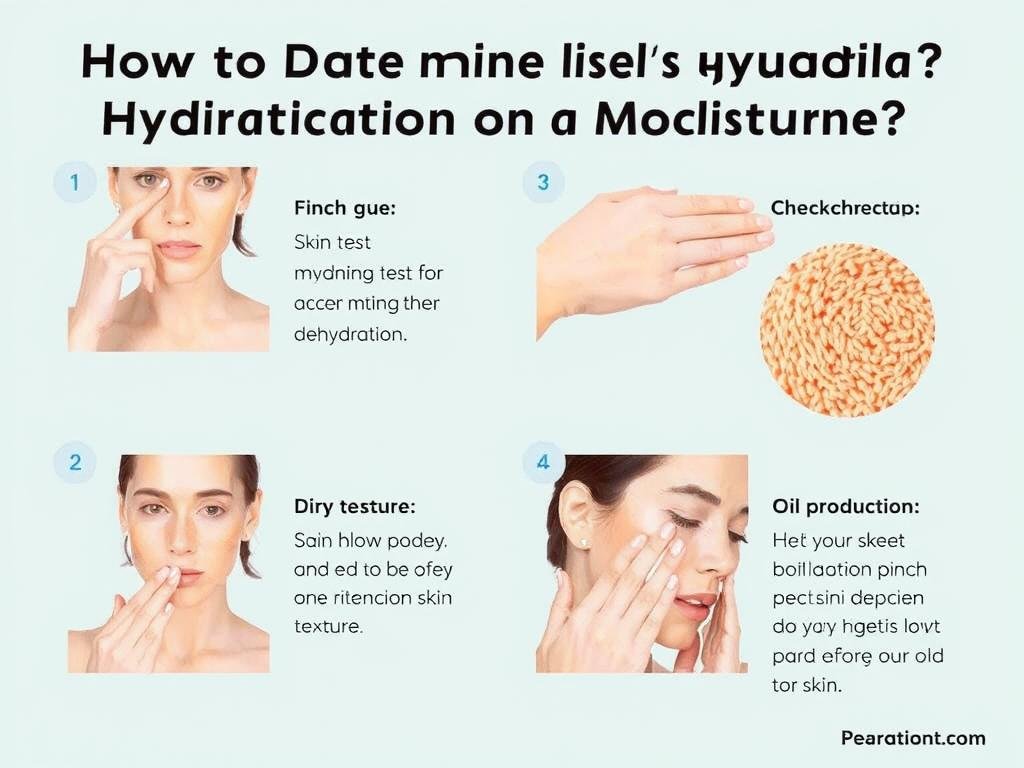
Signs Your Skin Needs Hydration
- Skin looks dull, feels tight, or lacks bounce
- Fine lines and wrinkles appear more noticeable
- Makeup (or sunscreen) can settle into lines and look cakey
- Skin doesn’t spring back quickly when pinched (reduced elasticity)
- Complexion appears tired or dehydrated despite oiliness
Signs Your Skin Needs Moisturization
- Skin feels rough, flaky, or has visible dry patches
- Peeling or cracked areas after cleansing or cold weather
- Tightness immediately after washing the face
- Redness or irritation on dry spots
- Makeup looks patchy where skin is dry
Signs Your Skin Needs Both
- Combination of dullness and flakiness across the face
- Skin feels tight but appears oily in places (a sign of dehydration)
- Seasonal changes (winter) or recent harsh treatments leave skin compromised
- Increased sensitivity with visible dryness
- Persistent rough patches alongside crepey areas or fine lines
Quick self-check and action steps (for men)
Simple checks you can do in under a minute and what to try next:
- After shaving, skin feels tight: Prioritize a hydrating serum (hyaluronic acid or glycerin-based gel) to restore water in skin cells, then add a light moisturizer to protect the barrier.
- Beard area flakes or itches: Use a richer moisturizer or conditioning oil on the skin under the beard to reduce flaking and lock in moisture.
- Face looks oily but feels tight: This is likely dehydrated skin — use a hydrator daily and a non-comedogenic moisturizer to balance oil and water.
3-line decision checklist:
- If you see dullness and fine lines → start with a hydrator (serum/gel).
- If you have flaky, rough patches → add a moisturizer (cream or balm) to seal in moisture.
- If both signs are present → use a hydrator first, then a moisturizer; test for 2 weeks and adjust.
Try a 2-week trial: use a hydrator every morning and evening for two weeks. If dryness or tightness persists, layer a moisturizer after the hydrator. For persistent or severe issues, consult a dermatologist — these checks are practical but not a medical diagnosis.
Step-by-Step Guide: Incorporating Hydrators and Moisturizers Into Your Skincare Routine

Application Tips for Maximum Effectiveness
For Hydrators:
- Apply to damp skin so humectants can attract water effectively.
- Pat on gently rather than rubbing to improve absorption.
- Layer from thinnest to thickest (serum → gel → cream).
- Wait a moment between layers so each product absorbs.
For Moisturizers:
- Apply within a few minutes after washing or applying a hydrator to trap moisture.
- Use upward, gentle strokes to avoid pulling the skin.
- Focus extra attention on dry areas (cheeks, around nose, or under a beard).
- Let the moisturizer fully absorb before applying makeup or sunscreen.
Minimal routines for men (fast and effective)
- 2-step AM (busy mornings): Cleanser → hydrating serum (hyaluronic) → lightweight moisturizer with SPF or moisturizer + SPF. Keeps skin healthy and hydrated under pressure.
- 2-step PM (low fuss): Cleanser → hydrating serum → richer moisturizer or balm at night to lock moisture in while you sleep.
- Shaving day tweak: After shaving, use a soothing hydrator (gel serum) to replace lost water, then a fragrance-free, non-greasy moisturizer to protect the barrier and reduce irritation.
Packaging and texture tips for men: choose pump bottles or tubes (less mess), gel or lightweight cream textures for daytime, and unscented formulas if you prefer minimal fragrance. If you use facial oils, apply them after a moisturizer at night to avoid a greasy daytime look.
Want to test this? Try the 2-week minimal routine: track how your skin responds to a hydrator alone, then add a moisturizer if dryness persists. See the Product Recommendations section for specific hydrators and moisturizers matched to each skin type.
Common Misconceptions About Moisturizers and Hydrators
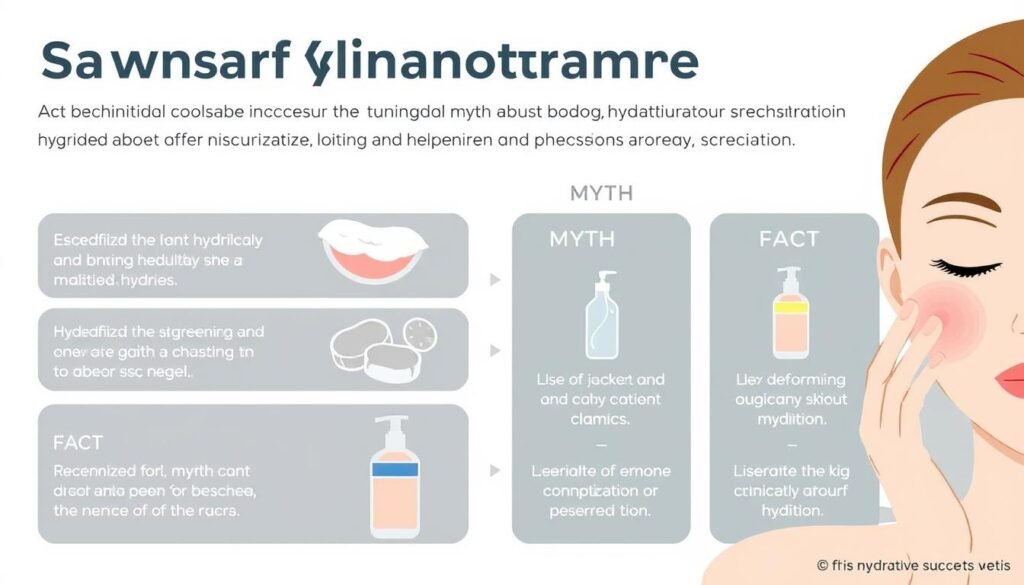
FACTS
- Both dry and oily skin types can be skin dehydrated — oiliness doesn’t equal proper cellular hydration.
- Drinking water helps overall health but topical hydrators and moisturizers are needed to address skin surface and cellular water balance.
- Many people benefit from using both hydrators (humectants) and moisturizers (emollients/occlusives) together.
- Seasonal changes often require adjusting products and layers to protect the skin barrier.
- Oil-free formulas can still provide effective moisturization through humectants and barrier-repairing ingredients.
MYTHS
- Myth: Oily skin doesn’t need moisturizer — Fact: oily skin can be dehydrated and often needs a lightweight hydrator plus a non-comedogenic moisturizer.
- Myth: Drinking more water will fix dehydrated skin — Fact: topical products address skin’s water content and barrier more directly.
- Myth: Hydrating and moisturizing are the same thing — Fact: they work in different ways; humectants bring in water, occlusives lock it in.
- Myth: Use the same products year-round — Fact: climates and seasons change your skin’s needs; switch textures and occlusiveness as needed.
- Myth: All moisturizers clog pores — Fact: many non-comedogenic moisturizers hydrate and repair the barrier without causing breakouts.
“The biggest misconception is that hydration and moisturization are interchangeable terms. Understanding the difference is key to addressing your skin’s specific needs and achieving optimal skin health.”
What to do instead (quick fixes)
- If you have oily but tight-feeling skin: add a hydrating serum (hyaluronic acid or glycerin) and switch to a lightweight, oil-free moisturizer.
- If your skin is dry and flaky: use a richer cream or night balm with occlusives and barrier-supporting ingredients like ceramides.
- For men who skip products: choose unscented, fast-absorbing gels or lotions packaged in pumps for a low-fuss routine that still repairs and protects the skin.
These simple swaps address the root causes and the effects you see — for lasting results, aim for consistency and adjust as seasons change. If problems persist, consult a dermatologist for personalized advice.
Product Recommendations: Best Hydrators and Moisturizers for Every Skin Type
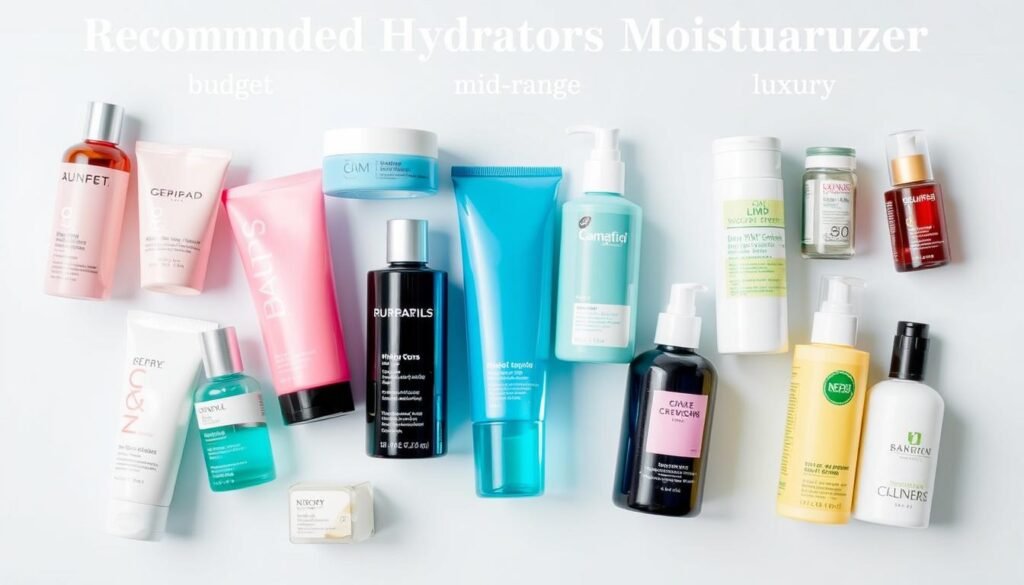
Best Hydrators for Different Skin Types
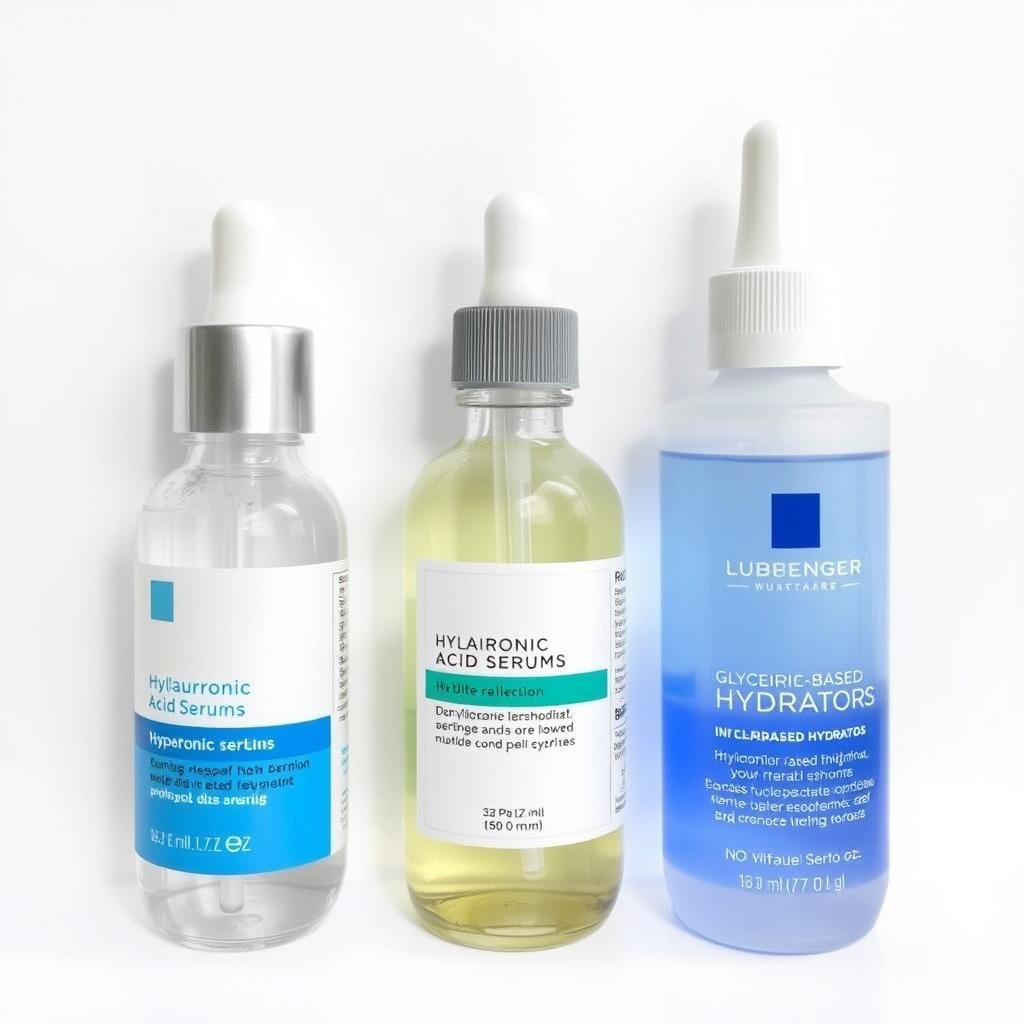
Budget-Friendly Options (Under $15)
- The Ordinary Hyaluronic Acid 2% + B5 — hydrator (good for plumping fine lines)
- The Inkey List Hyaluronic Acid Serum — simple humectant formula
- Neutrogena Hydro Boost Water Gel — gel texture, great for oily or combination skin
These affordable products use effective humectants (hyaluronic acid, glycerin) to boost surface hydration without adding grease — ideal for men who want fast-absorbing, low-fuss formulas.
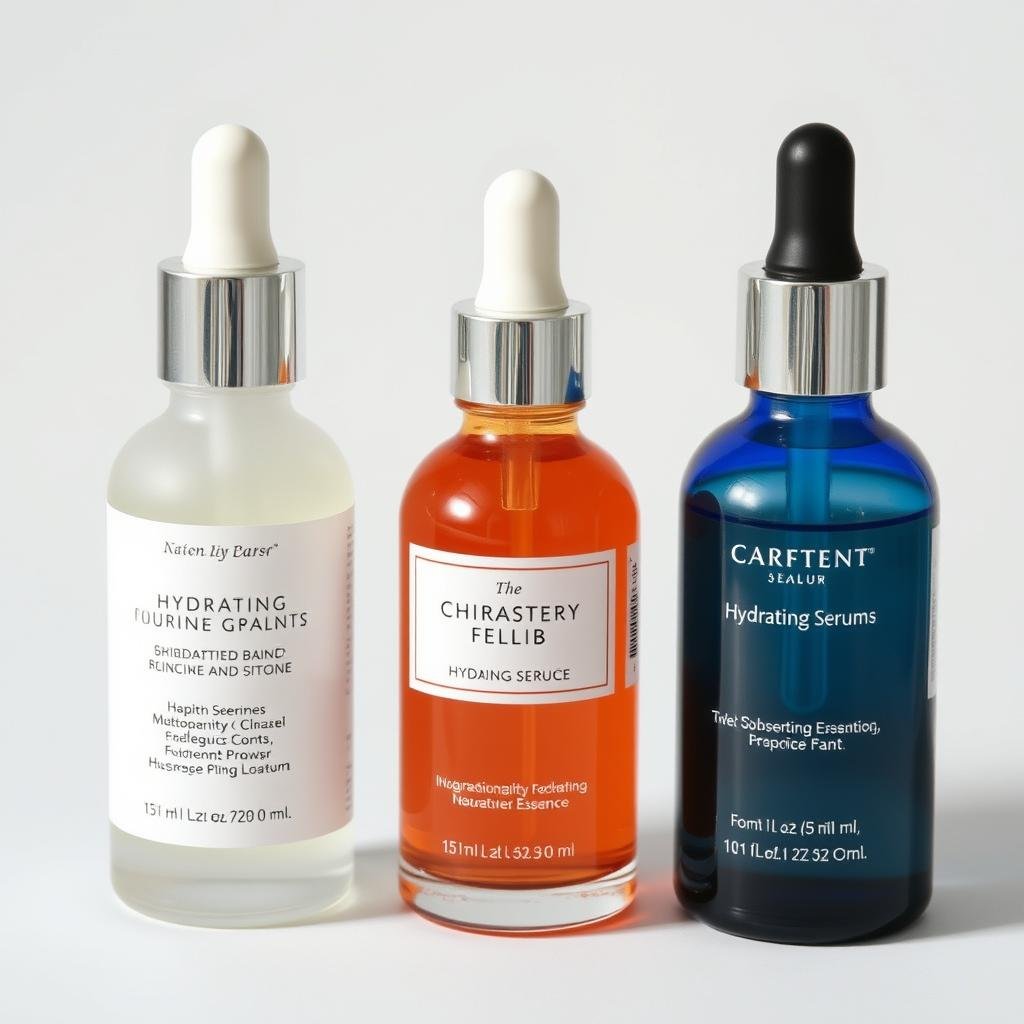
Mid-Range Options ($20-50)
- Paula’s Choice Hyaluronic Acid Booster — concentrated humectants for dehydrated skin
- First Aid Beauty Ultra Repair Hydrating Serum — soothing for sensitive skin
- Glow Recipe Watermelon Glow Ultra-Fine Mist — lightweight mist for daytime refresh
Mid-range hydrators combine multiple ingredients and soothing agents — good for men with combination or easily irritated skin who want reliable performance.
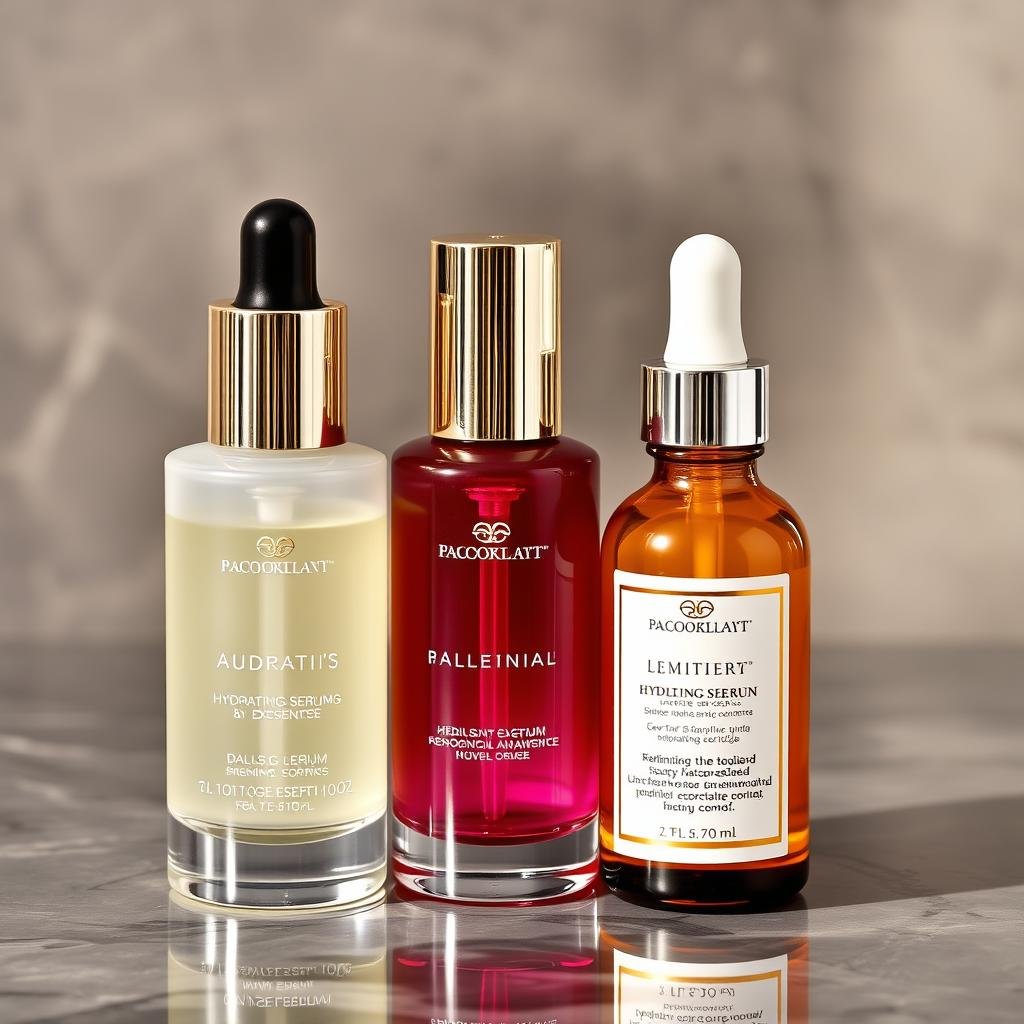
Luxury Options ($50+)
- SkinCeuticals Hyaluronic Acid Intensifier — high-performance hydrator with additional actives
- Dr. Barbara Sturm Hyaluronic Serum — refined texture, fast absorption
- Tatcha The Essence Plumping Skin Softener — combines humectants with nutrient-rich extracts
Luxury hydrators often add antioxidant or barrier-supporting nutrients, making them a choice for men interested in premium formulas and advanced results.
Best Moisturizers for Different Skin Types
Budget-Friendly Options (Under $15)
- CeraVe Moisturizing Cream — rich, ceramide-packed cream for dry skin
- Neutrogena Oil-Free Moisture — lightweight lotion for oily/combination faces
- Vanicream Moisturizing Skin Cream — gentle option for sensitive skin
These budget moisturizers deliver barrier-repairing ingredients (ceramides, glycerin) and are good picks for men who want effective, no-frills creams.
Mid-Range Options ($20-50)
- First Aid Beauty Ultra Repair Cream — rich but fast-absorbing for dry or sensitive skin
- Kiehl’s Ultra Facial Cream — balanced option for normal/combination skin
- Drunk Elephant Protini Polypeptide Cream — targets aging while restoring moisture
Mid-range creams often include peptides, antioxidants, and targeted actives — great for men wanting multi-benefit products without heavy texture.
Luxury Options ($50+)
- La Mer The Moisturizing Cream — ultra-rich option for very dry or mature skin
- Augustinus Bader The Cream — research-backed barrier-repair cream
- Tatcha The Water Cream — lightweight, good for oily/combination types
Luxury creams often focus on texture, delivery systems, and proprietary complexes — choose based on your skin’s needs and preferred feel.
Quick “Best picks for men” callouts
- Budget pick for men with oily skin: Neutrogena Hydro Boost (gel) + Neutrogena Oil-Free Moisture — lightweight, fast-absorbing, non-greasy.
- Busy morning combo: Hyaluronic serum (budget or mid-range) + lightweight moisturizer with SPF — quick application, keeps the face hydrated and protected.
- Dry, cold-weather combo: Hyaluronic serum at night + richer cream (CeraVe or La Mer) to lock moisture in while you sleep.
All product names and links should be checked periodically for availability and ingredient lists. For tailored recommendations by skin type and specific ingredient needs (humectants, occlusives, ceramides), see the Key Ingredients section and try the 2-week minimal routine described in the Routine Guide.
When to Use Each: Seasonal and Environmental Considerations
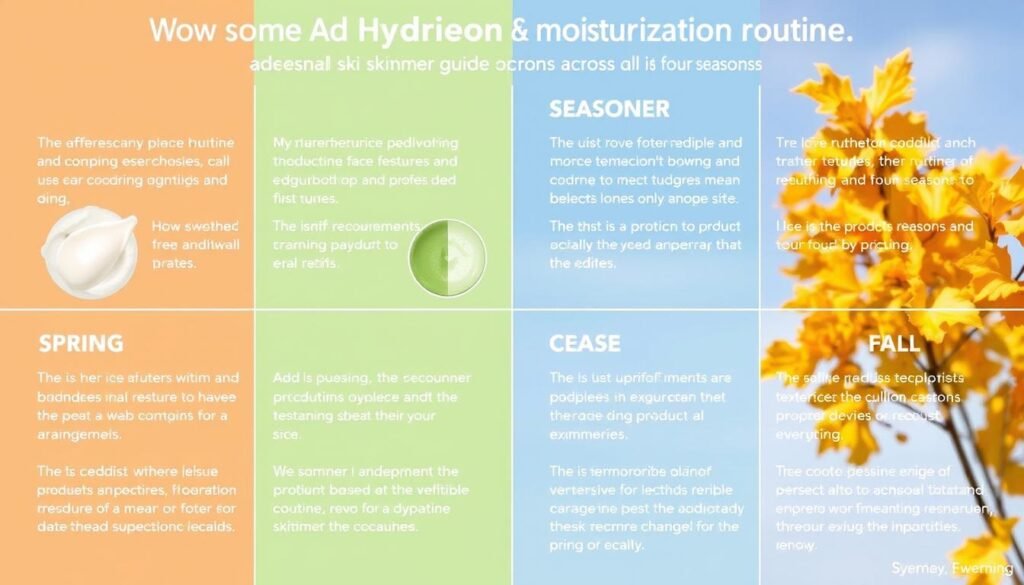
| Season/Environment | Skin Challenges | Hydrator Recommendations | Moisturizer Recommendations |
| Winter/Cold Climate | Indoor heating, harsh winds, low humidity | Layer humectant serums (hyaluronic acid + glycerin); consider hydrating masks | Use richer creams with ceramides, shea butter, or occlusive balms to seal in water |
| Summer/Humid Climate | Excess sweating, sun exposure, high humidity | Lightweight hydrating mists and gel serums that absorb quickly | Oil-free, lightweight lotions or gel‑creams that won’t feel heavy |
| Dry Climate (Desert) | Extreme dryness, rapid water loss | Multiple layers of hydration—serum + mist + hydrating cream | Thicker occlusive creams and balms to prevent TEWL |
| High Altitude | Low humidity, increased UV exposure | Intensive serums with several humectants | Barrier-repairing creams with ceramides and antioxidants |
| Air Travel | Extremely low humidity in cabins | Hydrating mists and sheet masks; carry a travel-size hydrator | Travel-sized rich creams or facial oils to top up moisture |
Day vs. Night Considerations
Daytime Routine
- Choose lighter hydrators that absorb quickly (gel serums, mists)
- Use non-greasy moisturizers that layer well under sunscreen
- Include antioxidants in AM products to protect the skin barrier
- Always finish with sunscreen during the day — UV damage undermines your ability to keep skin hydrated
Nighttime Routine
- Use more intensive hydrating treatments and serums at night
- Apply richer, more occlusive moisturizers to prevent water loss during sleep
- Consider adding facial oils or night masks for extra nourishment
- Nighttime is best for barrier repair and restoring lost moisture
Pro Tip: Humectants perform better when there’s some ambient moisture to draw from. Keep a humidifier in your bedroom in winter or dry climates and aim for roughly 40–50% relative humidity to help your hydrator products work more effectively.
Traveling for work? Quick checklist for men
- Carry a travel-size hydrating serum (gel) and a small rich cream or balm.
- Avoid alcohol-heavy mists that can further dry the skin on long flights.
- Use a lightweight gel + SPF combo for humid destinations; switch to an occlusive balm for cold commutes.
Climate and environment affect how your routine performs — adjust textures (gel vs cream) and occlusiveness to match conditions, and pick products that suit your lifestyle and skin type.
Finding Your Perfect Balance: Hydration and Moisturization
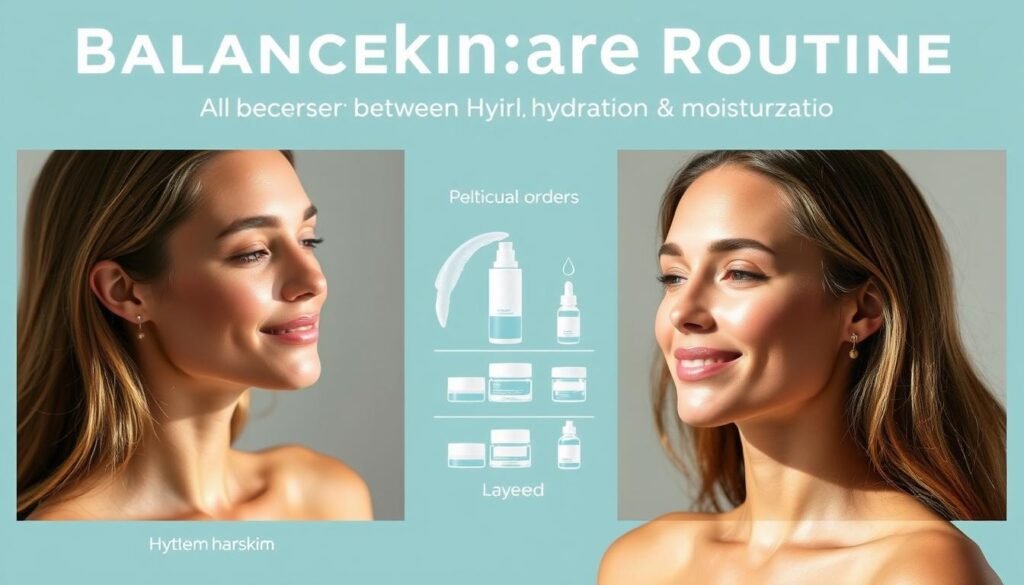
Understanding the difference between moisturizer vs hydrator is the first step toward balanced, healthy skin. Most skin types benefit from both increasing cellular hydration and improving water retention with a matching moisturizer — the exact products and ratios depend on your type, climate, and lifestyle.
Listen to your skin and adjust your routine as needed: seasons, stress, hormones, and age all change how your skin holds water. The simplest way forward is consistent, small steps — a hydrator to add water, then a moisturizer to keep skin comfortable and protected.
Quick Reference Guide: Do You Need a Hydrator, Moisturizer, or Both?
Take our quick skin assessment to get personalized product suggestions based on your skin type and concerns.
For men: start simple — morning = hydrator (hyaluronic serum) + lightweight moisturizer or SPF; night = hydrator + richer cream or balm. Track results for two weeks and tweak ingredients or textures as needed. Want more help? Check the Key Ingredients and Product Recommendations sections to match specific ingredients to your goals.