
Short answer: yes — men should make applying a broad-spectrum sunscreen part of their morning routine. Many men’s daily skincare routines skip this step, reserving sunscreen for beach days or prolonged outdoor activity, but incidental exposure during commuting, time near windows, or brief outdoor errands adds up and damages your skin. Despite this, only 14.3% of men report regular sunscreen use — a statistic reported in [source needed — please add citation] — even though men experience higher rates of certain skin cancers and worse outcomes in many cases.
Daily sunscreen protects your skin from UVA and UVB damage, helps prevent premature aging, and reduces long-term treatment costs. Choose a face-friendly SPF 30+ formula that works with your skin type — gel or oil-free formulas for oily and acne-prone skin, lightweight lotions or hydrating formulas for dry or sensitive skin — so protection becomes effortless and comfortable.
The Science of UV Damage: Why Men’s Skin Needs Protection
UV radiation doesn’t care if you’re headed to the beach or just walking to your car — UVA and UVB rays can harm your skin year-round, through clouds and even through windows. That’s why men sunscreen daily use and broad-spectrum protection are essential parts of sensible sun protection.
UVA vs. UVB: The Invisible Threats
Dermatologists divide ultraviolet radiation into two main categories because each affects the skin differently:
UVA Rays
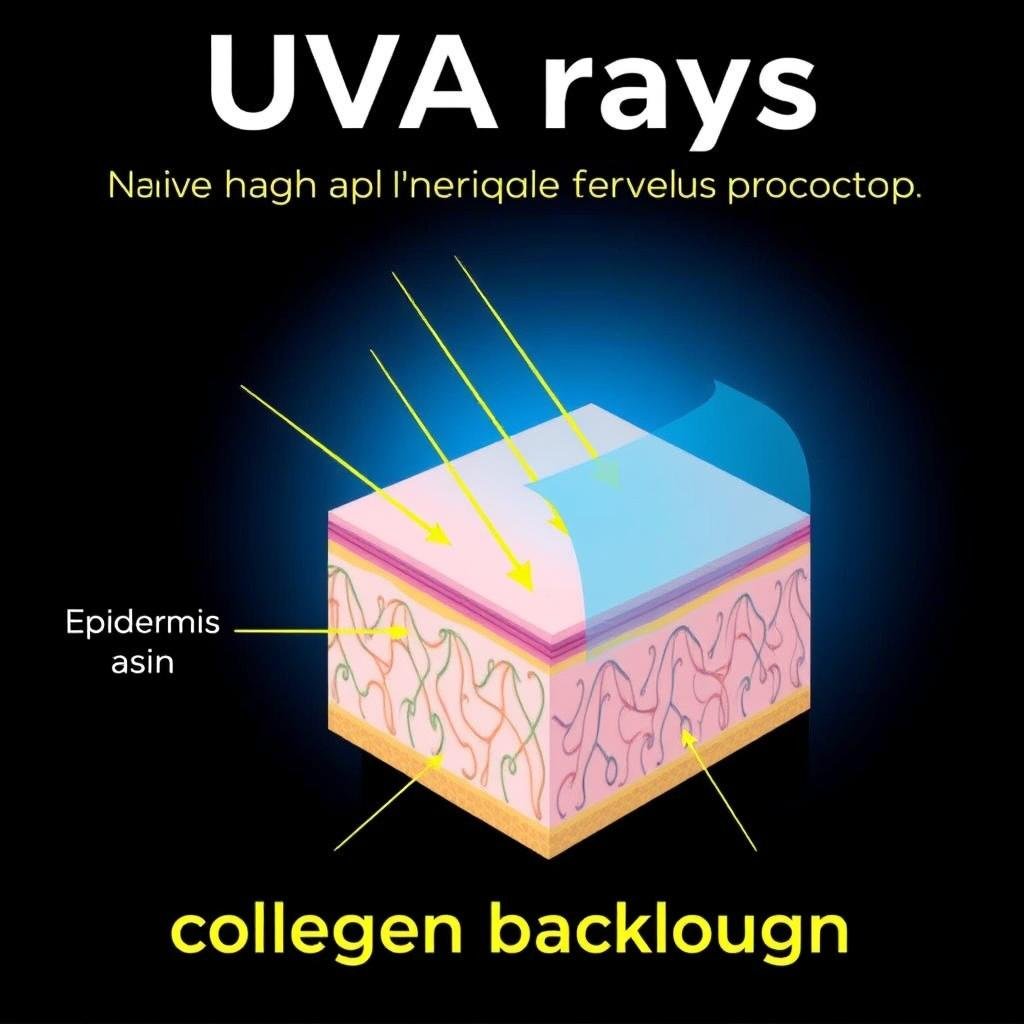
UVA rays are the “aging” rays: they penetrate deeper into the dermis, break down collagen, and contribute to wrinkles, loss of elasticity, and long-term photoaging. UVA intensity is relatively constant throughout the year and can penetrate glass and clouds, so you get exposure while driving or sitting by a window. Because UVA contributes to cumulative DNA damage, it also plays a role in skin cancer risk.
UVB Rays
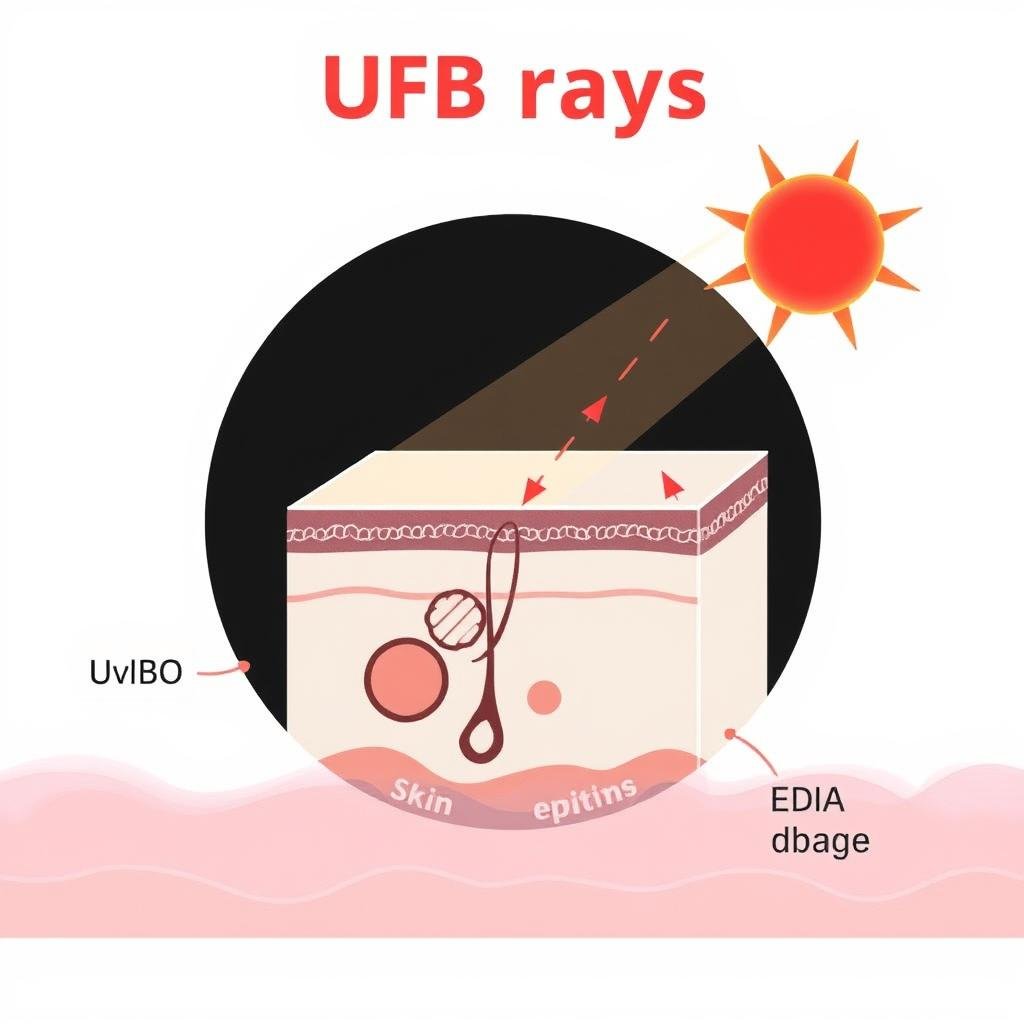
UVB rays are the “burning” rays: they mostly affect the outer skin layers, cause sunburns, and directly damage DNA in skin cells. UVB intensity varies with season and altitude (stronger in summer and at higher elevations) and is a major contributor to the mutations that lead to many skin cancers. Even short bursts of intense UVB exposure can meaningfully increase cancer risk.
The long-term risk comes from cumulative exposure to both UVA and UVB: they combine to cause premature aging, pigmentation changes, and increased risk of skin cancer. That’s why products labeled “broad-spectrum” are important — they protect against both UVA and UVB rather than just one band of UV light. Look for a sunscreen with broad-spectrum labeling and SPF 30 or higher for reliable daily protection.
- UVA: Year-round aging, penetrates glass, contributes to cumulative damage.
- UVB: Seasonal burning rays, directly damages DNA, increases cancer risk.
- Broad-spectrum + SPF: Choose a broad-spectrum sunscreen (UVA + UVB) with SPF 30+ and reapply per guidelines for real protection.
Ready to protect your skin from invisible damage?
Learn more about how UV radiation affects your skin even on cloudy days.
Why Men Face Higher Skin Cancer Risks
Men aren’t just skipping sunscreen—they’re doing it while carrying higher risks for certain skin cancers and worse outcomes. Understanding the reasons behind those statistics makes the case for simple daily sunscreen and regular checks much clearer.

The Statistics Don’t Lie
- Men are reported to be about 2–3 times more likely than women to develop non‑melanoma skin cancers (source needed — please add citation).
- By age 65, men have roughly double the risk of developing melanoma compared with women (verify local dataset or national registry for exact figures).
- Men account for more than 60% of melanoma deaths in many datasets — a signal that cancers are often detected later in men.
- The majority of outdoor workers who develop skin cancer are men, driven by long-term occupational UV exposure.
Why Men Are More Vulnerable
Occupational Exposure
More men work in outdoor roles (construction, landscaping, agriculture), which increases cumulative UV exposure over decades. If you work outside, prioritize a water-resistant SPF 30+ and reapply per guidelines.
Biological Differences
Some studies note differences in skin structure—men may have different collagen density and facial fat distribution—potentially affecting how UV damage shows and progresses. These biological factors, combined with exposure, can influence risk.
Behavioral Factors
Men are less likely to use sunscreen regularly, perform self‑skin checks, or get routine exams from a board‑certified dermatologist. Skipping protection and delaying detection contribute to higher mortality.
If you work outdoors: add a broad‑spectrum, water‑resistant sunscreen to your morning routine, wear UV‑protective clothing and a wide‑brimmed hat, and schedule annual skin checks. If you notice a new or changing spot on your face, ears, scalp, or neck, see a dermatologist promptly.
“The single most effective thing men can do to reduce their skin cancer risk is to apply broad-spectrum sunscreen daily, regardless of the weather or their planned activities.”
Debunking Common Excuses Men Use to Skip Sunscreen
If you’re like most men, you’ve probably used at least one of these excuses to skip sunscreen. Below we tackle the top myths with quick, evidence‑based responses and simple actions you can take today.
The Truth About Sunscreen
- Modern formulas are lightweight, fast‑absorbing, and non‑greasy
- Daily application takes less than 30 seconds when you make it part of your routine
- Protects against both cancer and premature aging when you use broad‑spectrum SPF 30+
- Available in formats made for all skin types, including oily, acne‑prone, and sensitive skin
- Can be integrated with existing products (apply a dedicated sunscreen after moisturizer)
Common Misconceptions
- “I don’t burn easily so I don’t need it”
- “Sunscreen feels too greasy on my skin”
- “My moisturizer has SPF so I’m covered”
- “I’m not outside enough to need it”
- “Sunscreen is just for the beach or pool”
Myth #1: “I Don’t Burn Easily, So I Don’t Need Sunscreen”
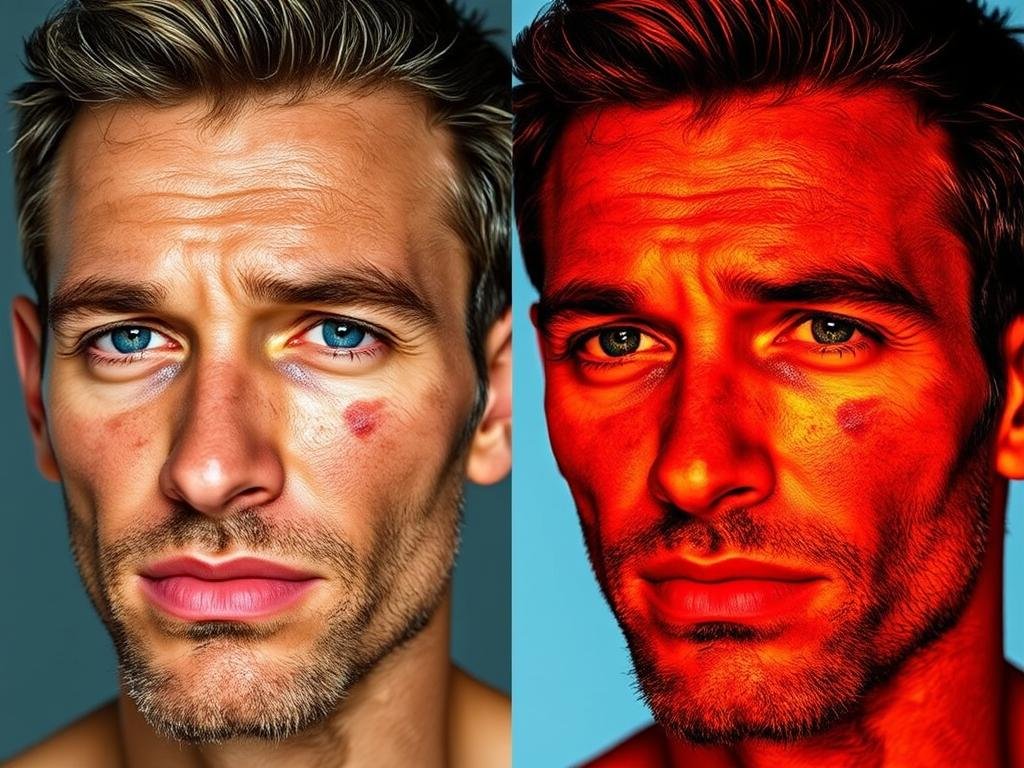
Sunburn is only the visible sign of acute UV damage. Much of the damage from UVA — the rays that drive premature aging — is invisible at first. Even people who rarely burn still accumulate collagen breakdown and DNA damage over time. Men with darker skin tones often have their skin cancers detected later, which contributes to higher mortality, so protection is important for every skin tone.
Quick fix: Use a broad‑spectrum SPF 30 daily — it prevents invisible damage even when you don’t burn.
Myth #2: “Sunscreen Feels Too Greasy and Heavy”
Formulations have come a long way. If you tried sunscreen years ago and disliked the feel or white cast, try one of these modern options:
- Clear gel sunscreens and lightweight lotions that absorb quickly
- Fast‑absorbing chemical formulas that leave no residue — great as a clear face sunscreen
- Micronized mineral or clear zinc formulas designed to minimize white cast
- Oil‑free, non‑comedogenic options for acne‑prone skin
- Mattifying formulas that reduce shine for oily complexions
Shopping tip: Look for product labels like “clears on application,” “non‑greasy,” or “clear face” — brands such as EltaMD Clear are examples to explore for minimal residue.
Myth #3: “My Moisturizer Has SPF, So I’m Covered”
SPF moisturizers help, but they often fall short as your only source of sun protection. Common issues:
- Most people don’t apply enough moisturizer to reach the labeled SPF
- Many moisturizers offer low SPF (15–20) and may not be broad‑spectrum
- Moisturizers may not be formulated to stay on during sweat or extended sun exposure
- People rarely reapply moisturizer midday
Dermatologists recommend a dedicated sunscreen (broad‑spectrum SPF 30+) applied after your moisturizer for reliable face protection.
Quick fix: If you prefer fewer steps, choose a broad‑spectrum SPF moisturizer with SPF 30+ or a sunscreen formulated as a moisturizer.
Myth #4: “I’m Not Outside Enough to Need Daily Sunscreen”

UVA rays penetrate glass, so you can get meaningful exposure from driving or sitting near windows. Brief everyday exposures — walking to your car, delivering mail, eating an outdoor lunch — add up. Even 10–15 minutes a day of unprotected sun can contribute to cumulative damage.
Quick fix: Keep a travel‑size clear face sunscreen or stick in your car or desk to apply before brief outdoor trips.
Ready to find a sunscreen you’ll actually want to wear?
Discover modern formulations designed specifically for men’s skin.
How to Choose the Right Sunscreen for Men
Finding a sunscreen you’ll actually use every day means matching the right SPF formula to your skin type and lifestyle. Below is a practical guide to help you pick a face sunscreen (or face & body option) that you’ll reach for each morning — plus quick product‑type suggestions and ingredient notes vetted by dermatology guidance.
Key Factors to Consider

| Skin Type | Recommended Formula | Key Ingredients to Look For | Ingredients to Avoid |
| Oily / Acne‑Prone | Gel or oil‑free liquid (fast‑absorbing) | Zinc oxide (micronized), niacinamide, silica — mattifying, non‑comedogenic | Coconut oil, heavy emollients, pore‑clogging oils |
| Dry / Sensitive | Hydrating lotion or cream (mineral or gentle chemical) | Hyaluronic acid, ceramides, aloe, non‑irritating mineral filters | Alcohol denat, fragrance, known irritant chemical filters for sensitive skin |
| Normal / Combination | Lightweight lotion or clear gel | Antioxidants (vitamin E, green tea), light hydrators | Heavy oils, strong fragrances |
| Darker Skin Tones | Clear gel, micronized chemical formula, or tinted mineral | Avobenzone, homosalate, octisalate; micronized zinc oxide or titanium dioxide to reduce white cast | Non‑micronized zinc oxide, un‑tinted titanium dioxide that leaves visible white cast |
| Active / Outdoor | Water‑resistant sport formula (stick or lotion) | Octocrylene, homosalate, polymer base for water resistance | Non‑water‑resistant formulations |
Quick decision checklist: If you have oily or acne‑prone skin, pick a gel or oil‑free face sunscreen that absorbs quickly; if you have dry or sensitive skin, prioritize hydrating ingredients and mineral options; for darker skin tones, choose clear gels, tinted mineral formulas, or micronized mineral filters to avoid white cast.
Chemical vs. Mineral: Which Is Right for You?
Chemical Sunscreens
How they work: Absorb UV and convert it to heat. Best for: those who want invisible application and no white cast (helpful for darker skin tones and daily face use).
Pros: Lightweight feel, no visible residue, often absorbs quickly — good as a clear face sunscreen.
Cons: Can irritate very sensitive skin and some ingredients raise environmental concerns in certain regions.
Mineral Sunscreens
How they work: Physically block and reflect UV with zinc oxide or titanium dioxide. Best for: sensitive skin, children, and those who prefer reef‑safe options.
Pros: Immediate protection on application, less likely to irritate.
Cons: Traditional mineral formulas can leave a white cast — choose micronized zinc oxide or tinted mineral sunscreens to minimize this effect.
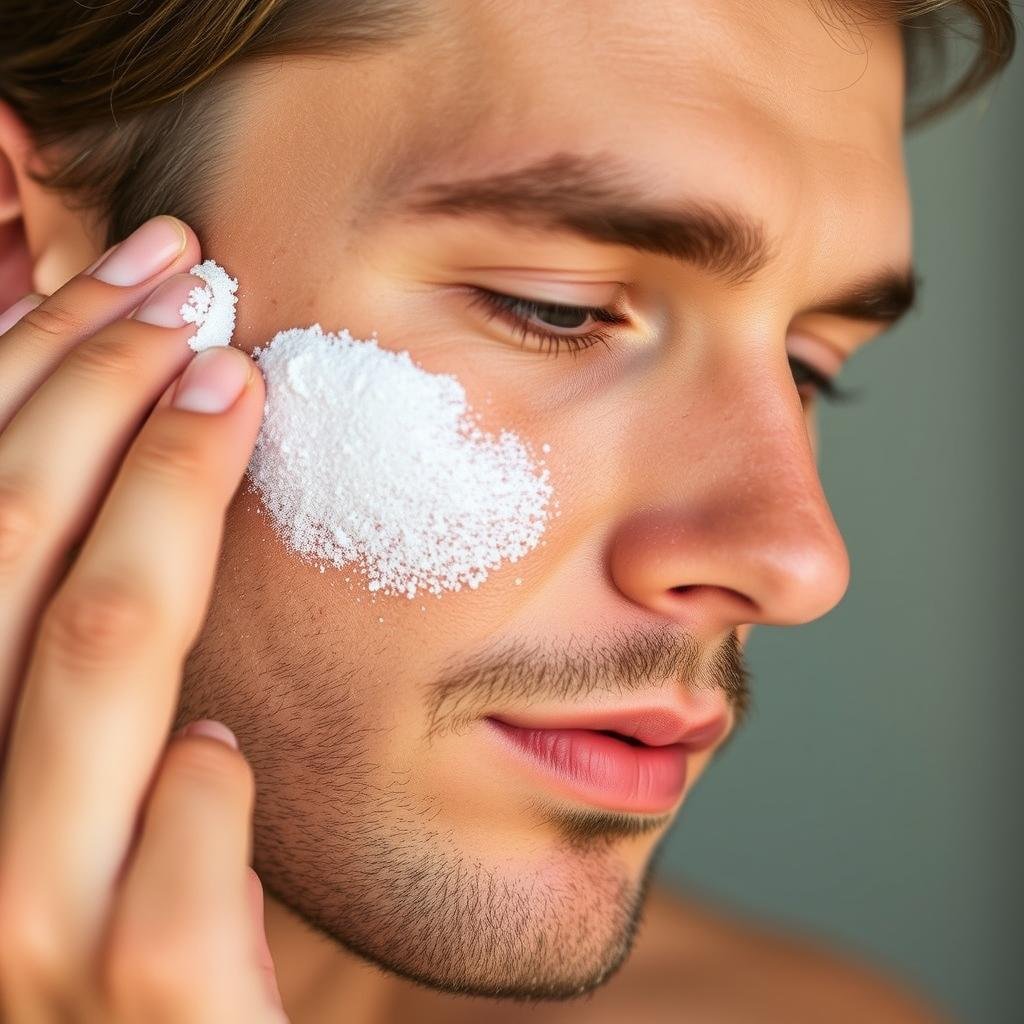
Note: Micronized zinc oxide and micronized titanium dioxide reduce visible white cast while retaining mineral protection; check product labels and look for “micronized” or “tinted” options if minimizing residue is important.
Formulation Types for Different Situations
Daily Face Sunscreen
Choose a lightweight, non‑comedogenic face sunscreen with SPF 30+ that works under or over other products. Look for “fast‑absorbing” or “clear face” on the label if you want zero visible residue. Examples: clear gel or tinted mineral face sunscreens are popular daily picks.
Best for: everyday office wear, commuting, sensitive facial skin.
Sport / Active Sunscreen
Pick a water‑resistant formula tested for 40–80 minutes of water or sweat resistance (follow label reapplication guidance). Stick or lotion formats with water resistance are ideal for outdoor work or sports.
Best for: swimming, outdoor labor, heavy sweating.
Convenient Formats
Sticks, sprays, and powder sunscreens make reapplication simple and fast. Sticks are great for ears, scalp lines, and the face; powders work well over facial hair or makeup. Keep travel‑size options available for midday touchups.
Best for: on‑the‑go protection and discreet reapplication.
Shopping tips: If you want a no‑white‑cast mineral option, search for “micronized zinc oxide” or “tinted mineral.” For a truly invisible finish for darker skin tones, try a clear chemical formula labeled for face use. Brands like EltaMD (example: EltaMD Clear) are commonly recommended by dermatologists for face use — but always patch‑test new products if you have sensitive skin.
Proper Application: You’re Probably Doing It Wrong
Even men who do use sunscreen often miss the protection they think they’re getting because of application mistakes. Follow these practical, science-backed steps so the SPF on the bottle actually translates to real sun protection for your skin.
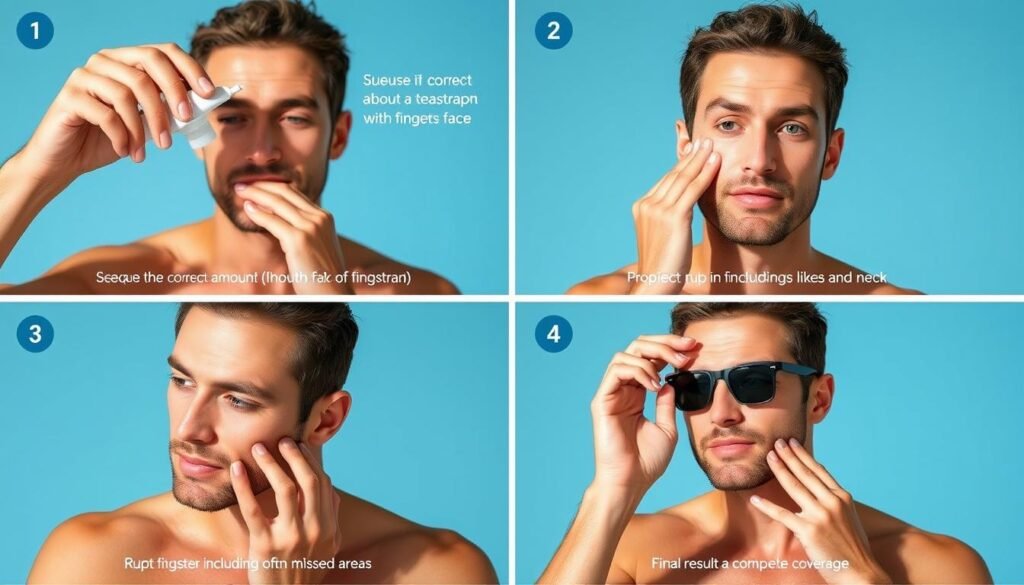
The Right Amount: More Than You Think
Laboratory standards measure sunscreen efficacy at ~2 mg/cm² of skin, but in real life most people apply only 25–50% of the recommended amount. That drastically reduces the effective SPF. To approximate the correct dose:
- Face and neck: A full teaspoon (about a nickel‑sized amount)
- Each arm: A teaspoon
- Each leg: Two teaspoons
- Chest and abdomen: Two teaspoons
- Back: Two teaspoons
Practical note: applying half the recommended amount of an SPF 30 product does not yield SPF 15 — the protection falls off nonlinearly (often closer to SPF 5–10). For dependable face protection, use a dedicated face sunscreen with SPF 30+ and apply the nickel‑sized amount to the face and neck.
Timing cue: For chemical sunscreens, apply about 15 minutes before going outside so the formula absorbs and activates; mineral sunscreens work immediately on contact.
Commonly Missed Areas
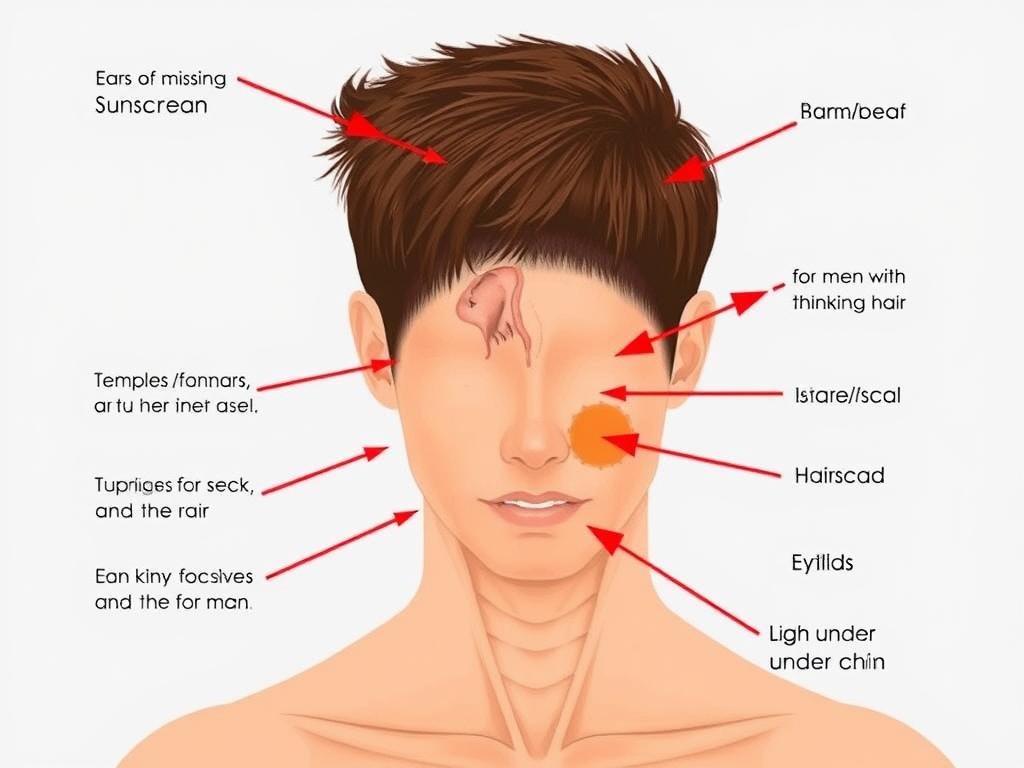
Men consistently miss these vulnerable spots — cover them every time:
- Ears: Tops and creases are common cancer sites; rub sunscreen into the outer ear.
- Back of neck: Especially for short haircuts — apply generously.
- Temples and sides of face: Often skipped when focusing on the nose and cheeks.
- Scalp and part line: Use a stick sunscreen or spray for thinning areas and hairlines.
- Lips: Use an SPF lip balm (SPF 30+) — lips are sun‑sensitive.
Bearded men: clear gels and sprays can penetrate facial hair better; rub product into the skin beneath the beard where possible.
The Reapplication Rule
No sunscreen lasts all day. Sun exposure, sweating, rubbing, and skin oils all reduce effectiveness. Follow these reapplication rules for real protection:
- Reapply every 2 hours during continuous sun exposure
- Reapply immediately after swimming, toweling off, or heavy sweating — even water‑resistant formulas need reapplication per label (typically every 40–80 minutes of water exposure)
- For everyday office wear, apply in the morning and again at lunch if you’ll be outdoors during the day
- Use convenient formats (stick, powder, or clear gel) for quick midday reapplication that won’t leave a white cast or oily finish
Tip: keep a travel size or stick in your car, gym bag, or desk drawer so reapplication is easy. Powder sunscreens are especially convenient for touchups over facial hair or over makeup without changing your appearance.
“The best sunscreen is the one you’ll actually use consistently. Find a formula you enjoy applying, and make it as routine as brushing your teeth.”
Integrating Sunscreen Into Your Daily Routine
The key to consistent men sunscreen daily use is making it effortless. With one simple tweak to your morning routine you can get reliable face protection every day without adding time or hassle.
Morning Skincare Sequence
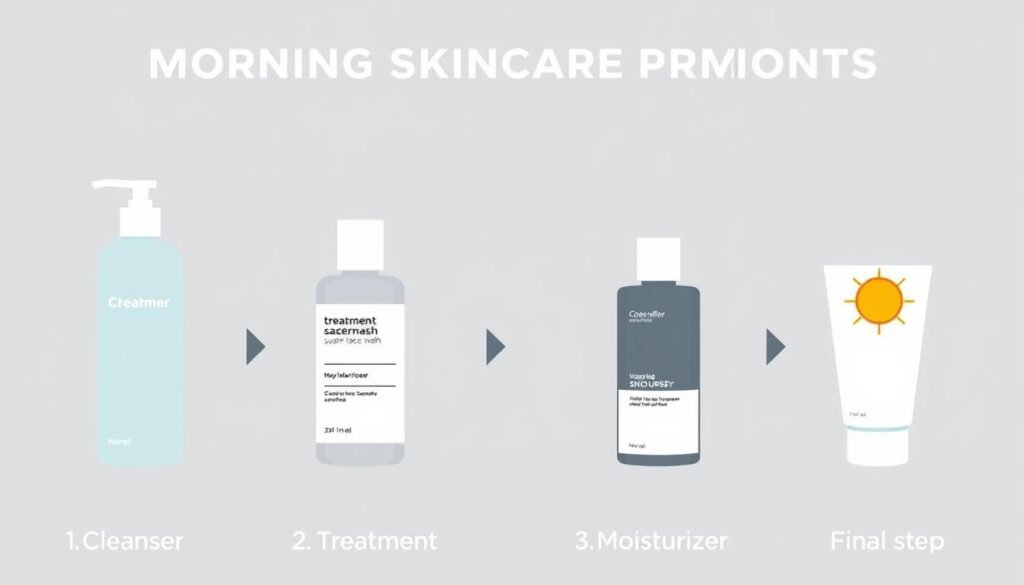
- Cleanse your face with your regular face wash to remove oil and dirt.
- Apply any treatment products (aftershave, serums, retinoids) and let them absorb.
- Apply your regular moisturizer and wait ~30 seconds for it to sink in.
- Apply sunscreen as the final step (a nickel‑sized amount for face and neck); use a face sunscreen designed for daily use.
The whole sequence adds about 15–30 seconds to your routine but delivers essential protection all morning.
Streamlining Options
If you want fewer steps without sacrificing protection, try one of these approaches:
Two‑in‑One Products
Look for broad‑spectrum SPF 30+ moisturizers when you’ll have minimal sun exposure. These can replace a separate moisturizer on low‑exposure days.
Sunscreen as Moisturizer
Many modern face sunscreens include hyaluronic acid, ceramides, or glycerin — they hydrate while providing SPF, letting you skip a separate moisturizer.
Subscription & Auto‑Refill
Subscription services deliver fresh sunscreen regularly so you never run out — handy if you want to make daily sunscreen automatic.
Reapplication Strategies for Busy Men
Reapplying sunscreen during a workday is easier than it sounds. Try these practical tactics:
- Keep a stick in your desk drawer — fast, mess‑free, and ideal for ears and hairline touchups.
- Use a clear face sunscreen gel that absorbs quickly and works over light facial hair.
- Try a powder sunscreen for discreet midday reapplication without greasiness or changing your look.
- Set a midday reminder on your phone (e.g., 12:15 PM) to reapply before lunch — simple and effective.
- Store travel‑size SPF in your car, gym bag, and office so you always have one when needed.
Shopping hints: for a no‑residue finish, search for “clear face sunscreen” or “fast‑absorbing face sunscreen.” If you prefer a two‑in‑one, choose an SPF moisturizer labeled broad‑spectrum SPF 30+. For face & body convenience, keep a multipurpose stick or pump in your daily bag.
Ready to make sunscreen part of your daily routine?
Start with a face sunscreen you enjoy — set a phone reminder and keep a stick at work.
Beyond Sunscreen: Additional Sun Protection Measures
Daily sunscreen is essential, but it works best as part of a comprehensive sun protection strategy. Combine sunscreen with protective clothing, hats, sunglasses, and simple timing strategies to cut your overall UV exposure and protect your skin long term.

Protective Clothing
Clothing is passive, reliable protection that doesn’t need reapplication. When shopping, prioritize:
- UPF‑rated clothing — garments labeled with a UPF number block a measured percentage of UV rays.
- Tightly woven fabrics — they let less UV through than loose knits.
- Darker colors — darker fabrics usually offer better UV blocking than very light colors.
- Long sleeves and pants — cover skin during peak sun hours when possible.
- Laundry additives — some proven products can increase the UV protection of ordinary clothes (check manufacturer claims and independent testing).
Hats and Sunglasses
These accessories protect areas that are hard to cover with sunscreen alone.
Effective Hat Styles
- Wide‑brimmed hats (3+ inches) provide the best face, ear, and neck coverage.
- Legionnaire caps with neck flaps are ideal for prolonged outdoor work.
- Bucket hats balance style and decent coverage for casual wear.
- Baseball caps offer some protection but leave ears and neck exposed—use with sunscreen on those areas.
Sunglasses Features
- 100% UV protection (look for “UV400” or “100% UV protection” labels).
- Wraparound styles block side UV exposure to the delicate eye area.
- Polarized lenses reduce glare and eye strain, helpful for driving and water activities.
- Larger frames protect more skin around the eyes.
Strategic Sun Avoidance
Small changes in timing and location can substantially lower UV dose:
- Avoid peak UV hours (roughly 10am–4pm) for nonessential outdoor activities.
- Seek shade during midday — shade reduces direct UV exposure significantly.
- Check the UV index daily and apply extra precautions on high‑index days (many weather apps display it).
- Schedule outdoor workouts for early morning or evening when UV is lower.
- Position yourself away from windows during long indoor periods if you sit in direct sunlight for hours (UVA can penetrate glass).
Pro Tip: Use the shadow rule to estimate UV intensity: if your shadow is shorter than you are, UV is high and you need extra protection; if your shadow is longer than you are, UV levels are lower (but protection is still recommended).
If you work outdoors regularly, consider a one‑week “sun protection checklist”: UPF clothing, wide‑brim hat, sunglasses, daily SPF 30+ face sunscreen, and a water‑resistant sport formula for body use. Small, consistent steps like these make a noticeable difference to your skin health over time.
Addressing Vitamin D Concerns
One common objection to applying sunscreen every day is the worry that it will block vitamin D production. Here’s a practical, evidence‑based look at how to balance sun protection with maintaining healthy vitamin D levels.
The Vitamin D Balance
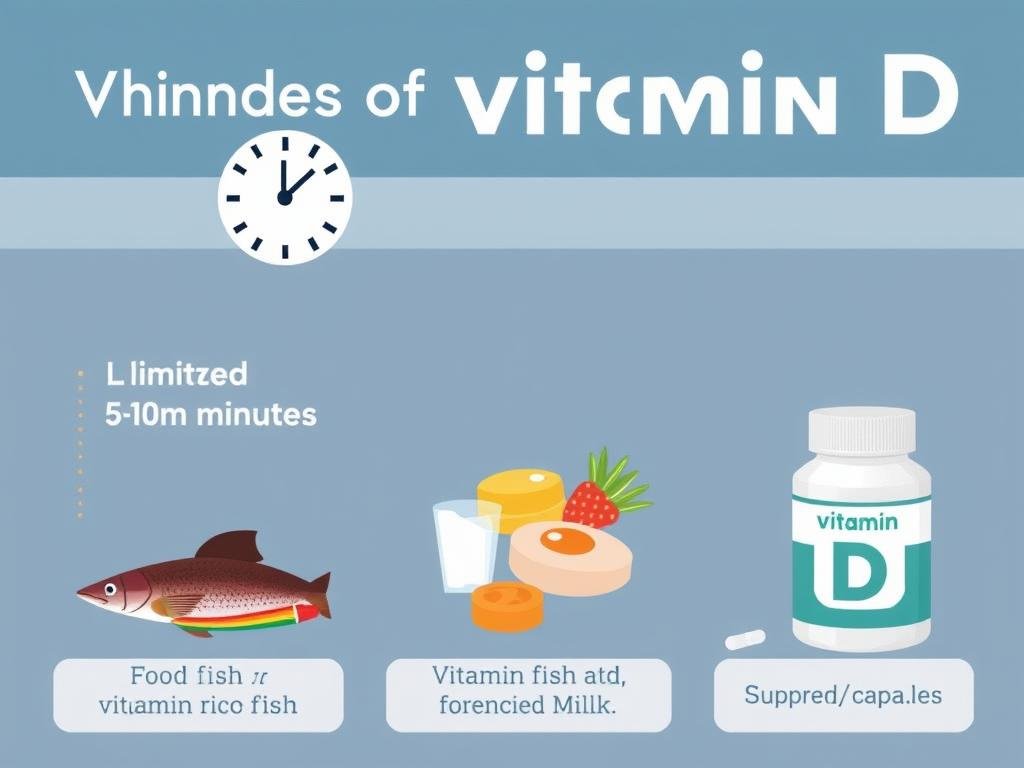
Vitamin D supports bone health, immune function, and other roles in the body. Sunlight is one source, but you can maintain adequate levels while practicing sun safety. Most research finds that people who use sunscreen regularly still have sufficient vitamin D because incidental sun exposure (walking to a car, brief time outside) provides some UV exposure.
Does sunscreen completely block vitamin D production?
No. Proper sunscreen reduces UV dose but does not eliminate all UV exposure in everyday life. Studies show routine sunscreen users typically maintain adequate vitamin D, especially when combined with normal incidental sun exposure and dietary sources.
How much sun exposure do I need for vitamin D?
Guidance varies by latitude, season, and skin tone, but many people can get some vitamin D from as little as 5–10 minutes of midday sun on arms and legs a few times per week. Men with darker skin or those living in northern latitudes may need more time or supplementation — discuss testing with your clinician.
What are other sources of vitamin D?
Dietary sources include fatty fish (salmon, mackerel), fortified milk and orange juice, egg yolks, and some mushrooms. Supplements (vitamin D3) are a reliable alternative recommended by many board‑certified dermatologists when sun exposure is limited.
Should I get my vitamin D levels checked?
If you’re concerned — especially men in northern climates, men with darker skin, or those who avoid sun exposure — a simple blood test (25‑hydroxyvitamin D) will tell you if supplementation is needed. Talk to your provider or a board‑certified dermatologist for personalized advice.
“The risk of skin cancer from UV exposure far outweighs the risk of vitamin D deficiency. It’s much safer to get vitamin D from diet and supplements than from unprotected sun exposure.”
Start Your Daily Sunscreen Habit Tomorrow
The evidence is clear: wearing a broad‑spectrum sunscreen every day is one of the most effective ways men can protect their skin health and appearance. It takes seconds but delivers big, lasting benefits — for your skin, your looks, and your long‑term medical bills.
Health Protection
Daily sunscreen use significantly reduces your risk of developing skin cancer and helps catch problems earlier when combined with regular checks.
Anti‑Aging Benefits
Consistent sun protection prevents the majority of visible photoaging — wrinkles, dark spots, and loss of elasticity — helping you look younger longer.
Long‑Term Savings
Investing in daily sunscreen now costs far less than medical or cosmetic treatments to repair sun damage later.
The common barriers — inconvenience, discomfort, or forgetting — are easy to overcome with modern formulas. Whether you prefer a fast‑absorbing face sunscreen, a tinted mineral sunscreen with zinc oxide to minimize white cast, or a clear gel that disappears on darker skin tones, there’s a best face product for your needs.
Consistency matters: even the best sunscreen only protects when applied correctly and every day. Make daily sunscreen use automatic — as simple as brushing your teeth — and pair it with annual skin checks by a board‑certified dermatologist when appropriate.
Start your routine in three simple steps
Buy a face sunscreen SPF 30+ that you actually like, set a daily phone reminder, and schedule a skin check if you haven’t had one recently.
Remember: The best time to start was 20 years ago. The second best time is tomorrow morning — grab a face sunscreen, apply it every day, and protect your skin for life.