What Is Retinol and How Does It Work?
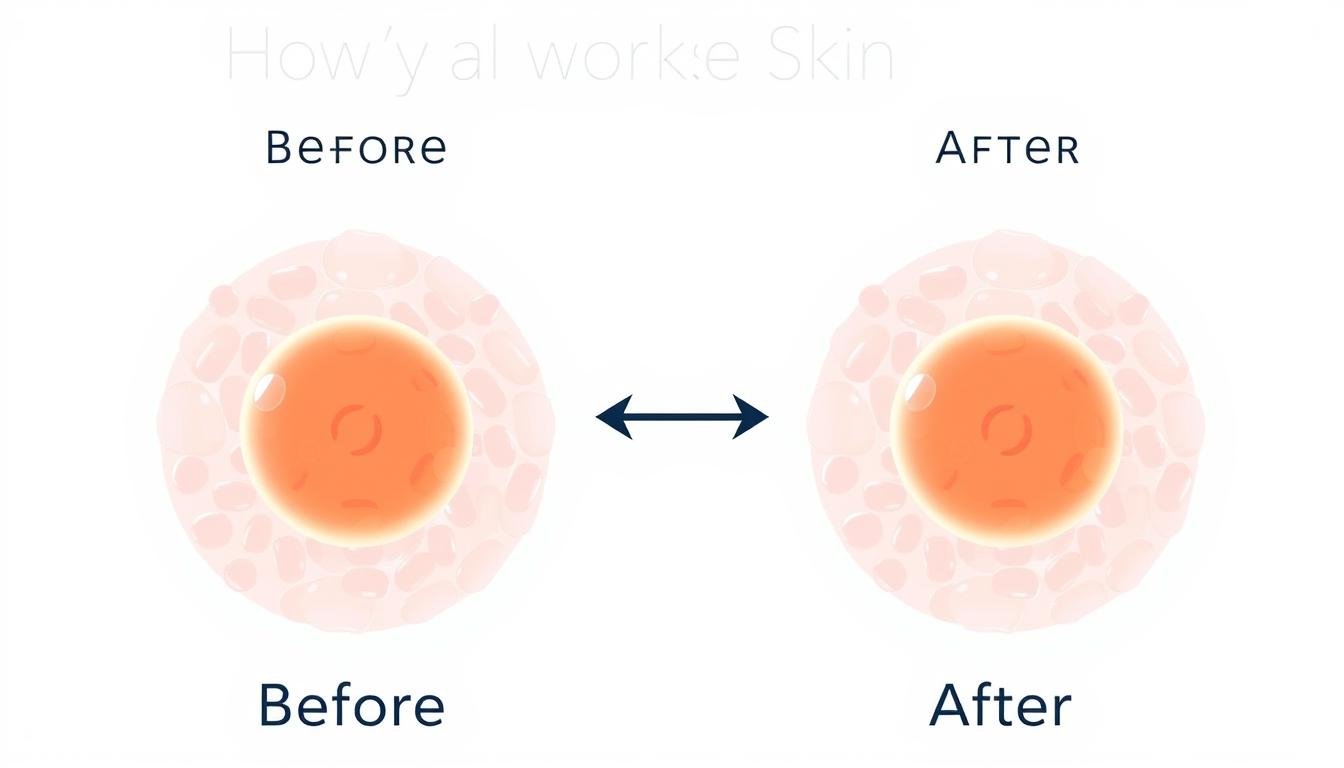
Retinol accelerates skin cell turnover, helping to reveal fresher, younger-looking skin
Retinol is a derivative of vitamin A, part of a broader family known as retinoids. While that might sound like complex chemistry, what matters is what it does for your skin. Unlike many skincare ingredients that only affect the surface, retinol penetrates deep into the skin where it works on a cellular level.
When applied to your skin, retinol converts to retinoic acid, which then communicates with your skin cells, essentially telling them to behave like younger, healthier versions of themselves. It accelerates cell turnover, pushing fresh cells to the surface faster while helping your skin produce more collagen – the protein responsible for skin’s firmness and elasticity.
Think of retinol as a personal trainer for your skin cells. It doesn’t just cover up problems; it actually transforms your skin from the inside out, leading to long-term improvements rather than temporary fixes.
Why Retinol Is Particularly Beneficial for Men’s Skin

Men’s skin differs from women’s in several key ways – it’s typically thicker, produces more oil, and ages differently. These unique characteristics make retinol particularly effective for addressing men’s specific skin concerns:
- Combats visible aging – Retinol smooths fine lines and wrinkles while improving skin firmness, addressing the signs of aging that often concern men
- Helps with acne and oiliness – By regulating cell turnover, retinol prevents the clogged pores that lead to breakouts, a common issue with men’s more oil-prone skin
- Reduces shaving irritation – Regular retinol use can help prevent ingrown hairs and razor bumps by keeping pores clear
- Fades dark spots – Whether from sun exposure or past acne, retinol helps even out skin tone
- Refines rough texture – Creates smoother, more touchable skin by promoting healthy cell turnover
How to Choose the Right Retinol Product for Beginners
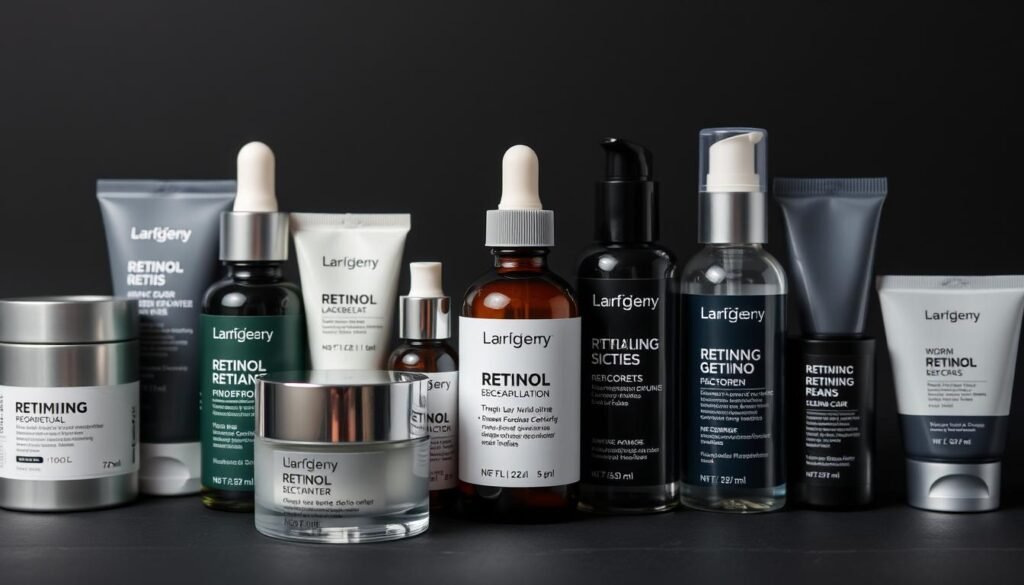
The world of retinol can be overwhelming with percentages, formulations, and price points varying widely. As a beginner, here’s what to look for:
Start with Low Concentration
For retinol newcomers, concentration is key. Look for products labeled with 0.25-0.5% retinol to minimize potential irritation while your skin adjusts. You can gradually work your way up to stronger formulations over time.
Consider Your Skin Type
Oily/Acne-Prone Skin
Look for lightweight serums or gels that won’t add extra oil. Products that combine retinol with ingredients like niacinamide can help control oil production while reducing irritation.
Dry/Sensitive Skin
Choose cream formulations with added moisturizing ingredients like hyaluronic acid, ceramides, or squalane to buffer potential dryness and irritation.
Normal/Combination Skin
You have more flexibility – serums work well for most areas, while you might prefer a cream for drier zones like the cheeks.
Check for Supporting Ingredients
The best retinol products for beginners often include soothing and hydrating ingredients to minimize irritation:
- Niacinamide – Reduces potential redness and irritation
- Hyaluronic Acid – Provides hydration to counteract dryness
- Peptides – Support skin repair and collagen production
- Ceramides – Help maintain skin barrier function
Pro Tip: If you’re concerned about irritation, look for products with “encapsulated” or “time-release” retinol, which delivers the ingredient more gradually for reduced sensitivity.
Step-by-Step Guide: How to Start Using Retinol
Starting retinol requires a strategic approach to minimize potential irritation while maximizing benefits. Follow these steps for the best results:
- Patch test first – Apply a small amount of product to your inner arm or behind your ear and wait 24 hours to check for any adverse reaction
- Begin with once-weekly application – Apply your retinol product just one night a week for the first 2-3 weeks
- Use a pea-sized amount – A little goes a long way; using more won’t speed up results but will increase irritation
- Apply to clean, dry skin – Wash your face and wait 15-20 minutes until skin is completely dry (moisture can increase irritation)
- Dot product around face – Place small dots on forehead, cheeks, chin and nose, then gently spread using upward motions
- Follow with moisturizer – Wait 5-10 minutes, then apply a gentle, fragrance-free moisturizer to minimize dryness
- Gradually increase frequency – After 3-4 weeks, increase to twice weekly, then every other night, and eventually nightly if your skin tolerates it well
- Always use sunscreen during the day – Retinol makes your skin more sensitive to UV damage, making daily SPF non-negotiable
Important: Only use retinol at night. The ingredient breaks down in sunlight, making it less effective, and it increases your skin’s sun sensitivity.
Common Mistakes to Avoid When Starting Retinol
Do This
- Start with a low concentration
- Introduce gradually (once weekly)
- Apply to completely dry skin
- Use a pea-sized amount
- Follow with moisturizer
- Use sunscreen daily
- Be patient and consistent
Don’t Do This
- Start with high-strength retinol
- Use daily right from the start
- Apply to damp skin
- Use excessive amounts
- Combine with AHAs/BHAs initially
- Skip sunscreen
- Give up after first signs of irritation
The “Retinol Sandwich” Technique for Sensitive Skin
If you experience irritation, try the “retinol sandwich” method: apply moisturizer, wait 15 minutes, apply retinol, wait another 15 minutes, then apply a second layer of moisturizer. This buffers the retinol without significantly reducing its effectiveness.
Warning: Avoid using retinol alongside products containing vitamin C, AHAs (like glycolic acid), or BHAs (like salicylic acid) in the same routine, especially when first starting out. These combinations can increase irritation and reduce effectiveness.
What to Expect: The Retinol Timeline
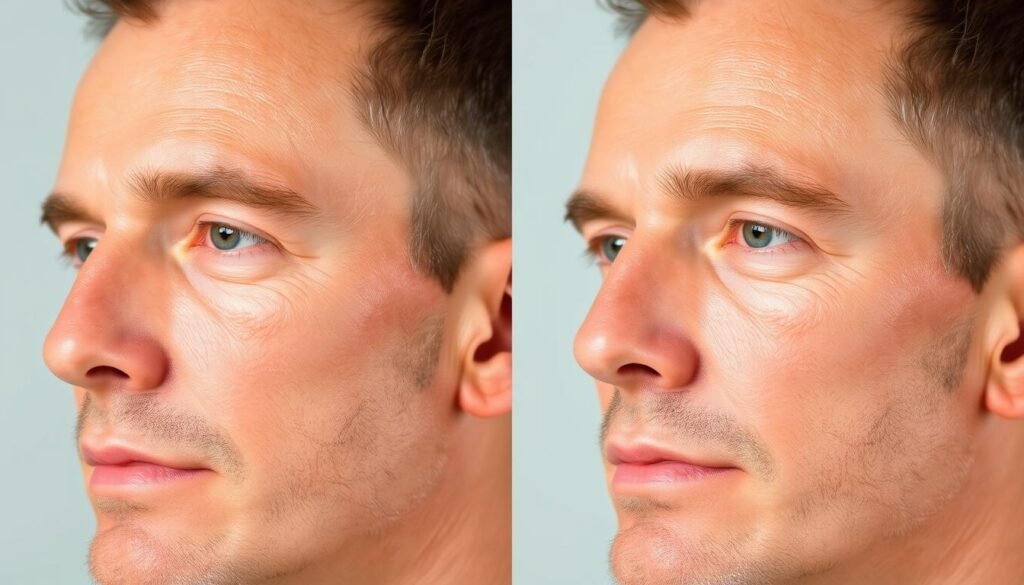
Understanding what to expect at each stage of your retinol journey helps set realistic expectations and keeps you motivated through the adjustment period:
| Timeline | What You Might Experience | What’s Happening |
| Weeks 1-4 | Potential dryness, flaking, mild redness or irritation (the “retinol purge”) | Your skin is adjusting to increased cell turnover; some may experience breakouts as congestion surfaces |
| Weeks 4-8 | Irritation subsides, skin begins to look clearer and smoother | Cell turnover normalizes; early improvements in texture and tone become visible |
| Weeks 8-12 | Noticeable improvements in skin texture, reduced breakouts, more even tone | Collagen production increases; pores appear refined |
| 3-6 Months | Visible reduction in fine lines, improved firmness, significant improvement in overall skin quality | Long-term benefits of consistent retinol use become apparent |
Recommended Beginner-Friendly Retinol Products for Men
Based on dermatologist recommendations and formulations specifically suited for retinol beginners, these products offer an excellent entry point:
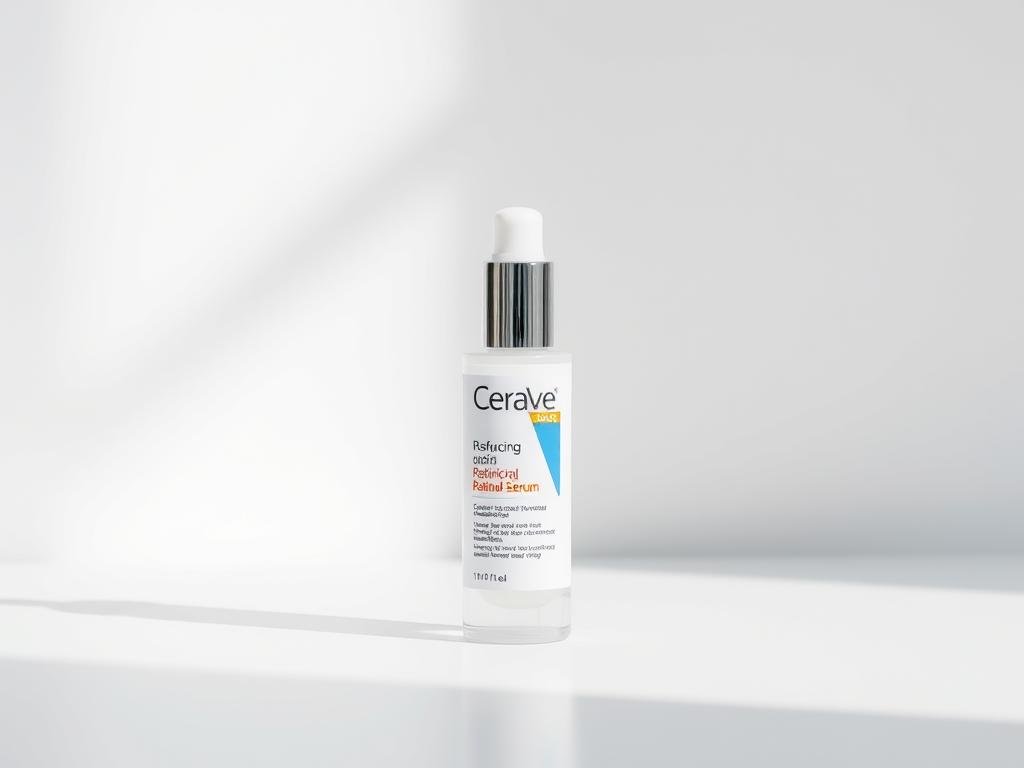
Best Budget Option: CeraVe Resurfacing Retinol Serum
This affordable serum combines encapsulated retinol with niacinamide and ceramides to minimize irritation while improving skin texture and tone. It’s particularly effective for post-acne marks and large pores.
Pros
- Budget-friendly ($19)
- Gentle formula ideal for beginners
- Fragrance-free
- Contains ceramides to support skin barrier
Cons
- May not be strong enough for advanced users
- Lightweight texture may not feel moisturizing enough for dry skin
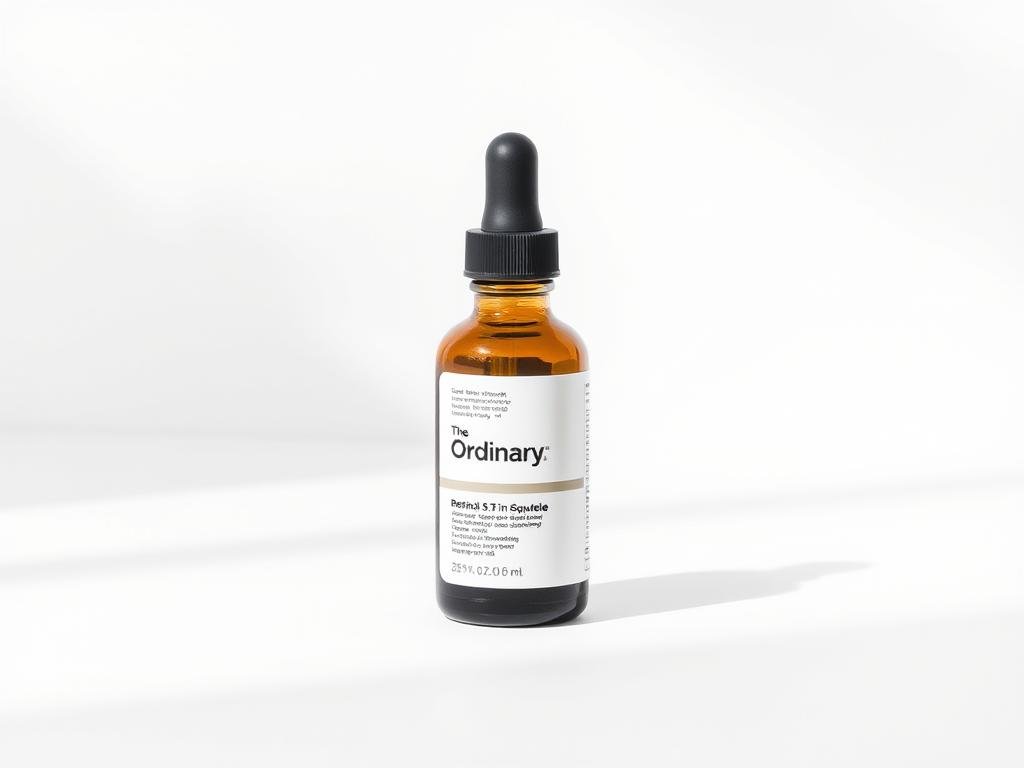
Best Value: The Ordinary Retinol 0.5% in Squalane
This no-frills option delivers pure retinol in a hydrating squalane base at an unbeatable price point. The straightforward formulation makes it perfect for men who prefer a minimalist approach to skincare.
Pros
- Extremely affordable ($9)
- Simple, transparent formulation
- Squalane base provides hydration
- Available in multiple strengths (0.2%, 0.5%, 1%)
Cons
- Oil-based formula may feel greasy for some
- No additional soothing ingredients
- Can cause more initial irritation than buffered formulas
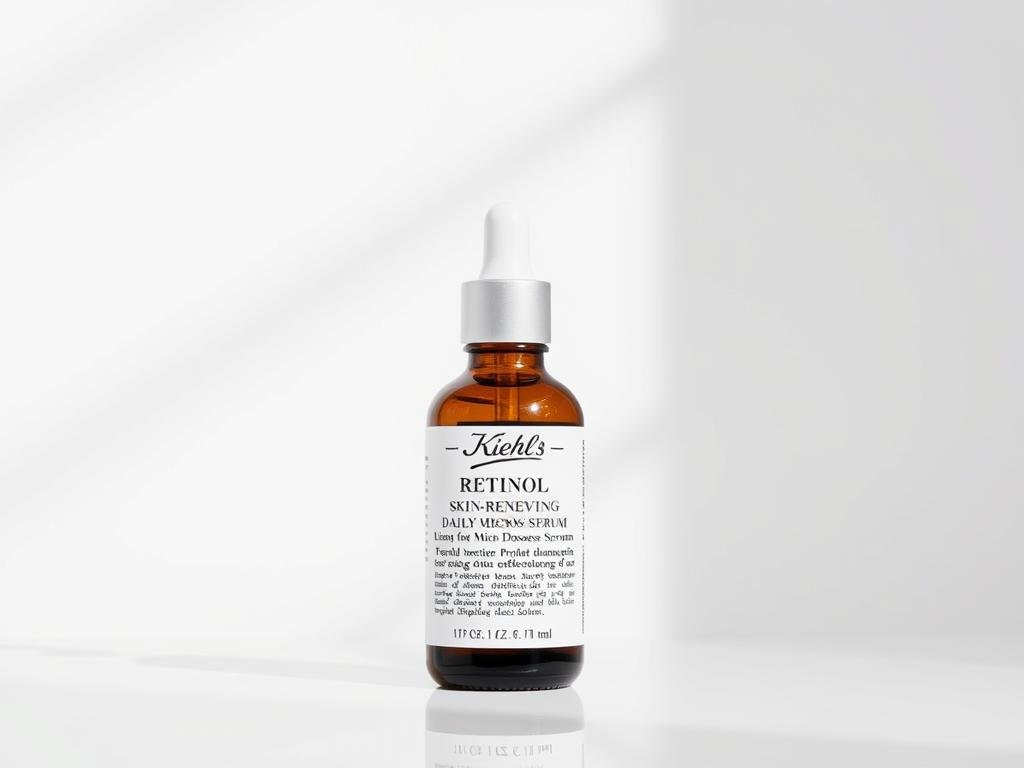
Best for Sensitive Skin: Kiehl’s Retinol Skin-Renewing Daily Micro-Dose Serum
This innovative formula delivers retinol in precise micro-doses that minimize irritation while maximizing results. With added peptides and ceramides, it’s ideal for men with sensitive skin who want to experience retinol benefits without the typical adjustment period.
Pros
- Exceptionally gentle, can be used daily from the start
- Minimal to no adjustment period
- Contains ceramides and peptides
- Elegant texture absorbs quickly
Cons
- Premium price point ($50)
- Results may take longer than higher-concentration options
How to Incorporate Retinol Into Your Skincare Routine
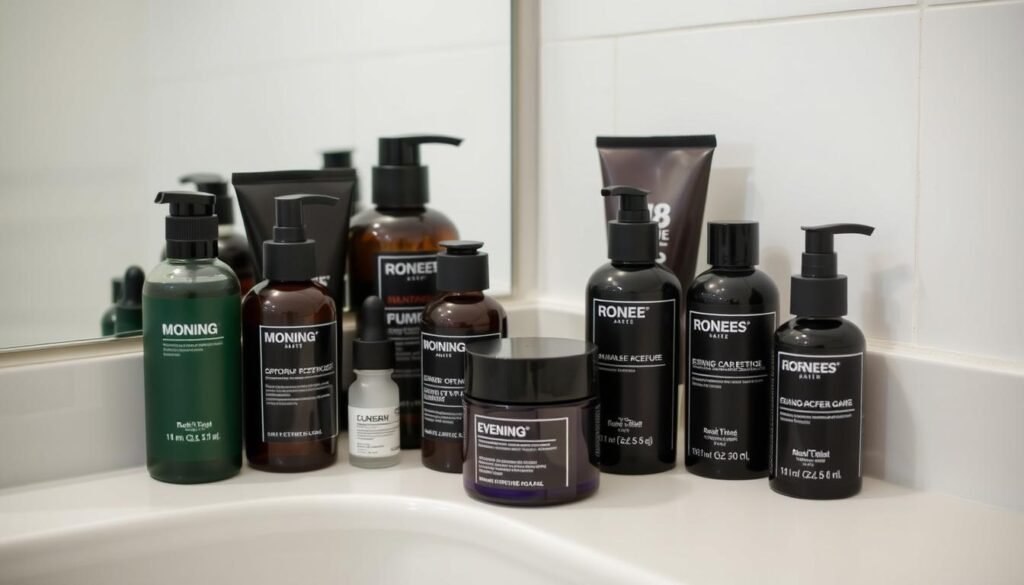
Adding retinol to your existing routine doesn’t have to be complicated. Here’s a simple framework for both morning and evening:
Morning Routine
- Cleanse with a gentle face wash
- Apply antioxidant (optional) like vitamin C serum
- Moisturize with a lightweight, non-greasy formula
- Finish with SPF 30+ (crucial when using retinol)
Evening Routine
- Cleanse thoroughly to remove dirt and oil
- Wait 15-20 minutes until face is completely dry
- Apply retinol (pea-sized amount)
- Wait 5-10 minutes
- Apply moisturizer to lock in hydration
Ready to Transform Your Skin?
Start your retinol journey with one of our dermatologist-recommended products for men. Remember, consistency is key to seeing results.
Frequently Asked Questions About Retinol for Men
Is retinol just for anti-aging, or can younger men benefit too?
While retinol is famous for its anti-aging benefits, men of all ages can benefit from it. For younger men, retinol helps prevent acne, minimize pores, and maintain even skin tone. It’s also preventative – starting in your 20s or 30s can help delay the onset of visible aging.
Can I use retinol if I have a beard?
Yes, you can apply retinol to bearded areas, though it will primarily affect the skin beneath rather than the hair itself. For best results, make sure the product reaches your skin by massaging it in well. If you have a very thick beard, you might want to focus retinol application on exposed skin areas.
Will retinol make my skin more prone to sunburn?
Yes, retinol increases your skin’s sensitivity to UV rays, which is why using sunscreen daily is essential when on a retinol regimen. Without proper sun protection, you could undo the positive effects of retinol and potentially cause more damage to your skin.
How long should I use retinol before seeing results?
Most men notice initial improvements in skin texture and clarity within 4-8 weeks. More significant changes like reduction in fine lines and improved firmness typically become visible after 12 weeks of consistent use. For maximum results, plan to use retinol as a long-term addition to your skincare routine.
Can I use retinol after shaving?
It’s best to avoid applying retinol immediately after shaving, as freshly shaved skin can be more sensitive and prone to irritation. Wait at least a few hours, or ideally, shave in the morning and apply retinol at night to give your skin time to recover.
Conclusion: Your Journey to Better Skin Starts Now
Adding retinol to your skincare routine is one of the most effective steps you can take toward healthier, younger-looking skin. While it requires some patience and a strategic approach, the long-term benefits make it well worth the effort. Remember that consistency is key – the men who see the best results are those who make retinol a regular part of their routine.
Start with a beginner-friendly product, introduce it gradually, and protect your skin with daily sunscreen. Within a few months, you’ll likely notice significant improvements in texture, tone, and overall skin health that will have you wondering why you didn’t start sooner.
Transform Your Skin with Retinol
Ready to experience the benefits of retinol for yourself? Start with one of our recommended products and see the difference in your skin.