

Skincare isn’t just for women, and it doesn’t have to be complicated. The truth is, taking care of your skin is about health, confidence, and looking your best. Many men avoid skincare because they think it requires an encyclopedia of knowledge and a bathroom cabinet full of products. But here’s the good news: an effective skincare routine can be as simple as three steps that take less than five minutes of your day.
Whether you’ve never used anything but bar soap on your face or you’re looking to simplify an overly complex routine, this guide will help you establish a basic skincare regimen that works. No confusing jargon, no unnecessary steps—just the essentials you need for healthier skin.
Why Skincare Matters for Men
Men’s skin is different from women’s. It’s about 25% thicker, produces more oil, and has larger pores. These differences mean men face unique skincare challenges, including excess oil production, more frequent breakouts, and specific shaving-related issues.
Despite these differences, most men neglect proper skincare. Studies show that over 50% of men simply use hand or body soap on their face, while only 16% use moisturizer regularly. This neglect can lead to premature aging, persistent skin problems, and missed opportunities to look and feel your best.
Did you know? Men’s skin produces more sebum (oil) than women’s, making proper cleansing especially important. However, using harsh products can actually increase oil production by stripping the skin of its natural moisture.
Understanding Your Skin Type
Before diving into the routine, it helps to know your skin type. This will guide your product choices and help you address specific concerns.
| Skin Type | Characteristics | Special Considerations |
| Normal | Balanced, not too oily or dry | Maintain balance with gentle products |
| Oily | Shiny, especially in T-zone, prone to breakouts | Use oil-free products, don’t over-cleanse |
| Dry | Tight, flaky, sometimes itchy | Focus on hydration, avoid harsh ingredients |
| Combination | Oily T-zone, dry cheeks | May need different products for different areas |
| Sensitive | Easily irritated, may become red or inflamed | Avoid fragrances and harsh ingredients |
Not sure of your skin type? Wash your face with a gentle cleanser, pat dry, and wait 30 minutes. If your skin feels tight, you likely have dry skin. If it becomes shiny, especially in the T-zone (forehead, nose, and chin), you probably have oily or combination skin.
The Core 3-Step Skincare Routine for Men
A simple, effective skincare routine boils down to three essential steps: cleanse, moisturize, and protect. Master these fundamentals before considering any additional products.
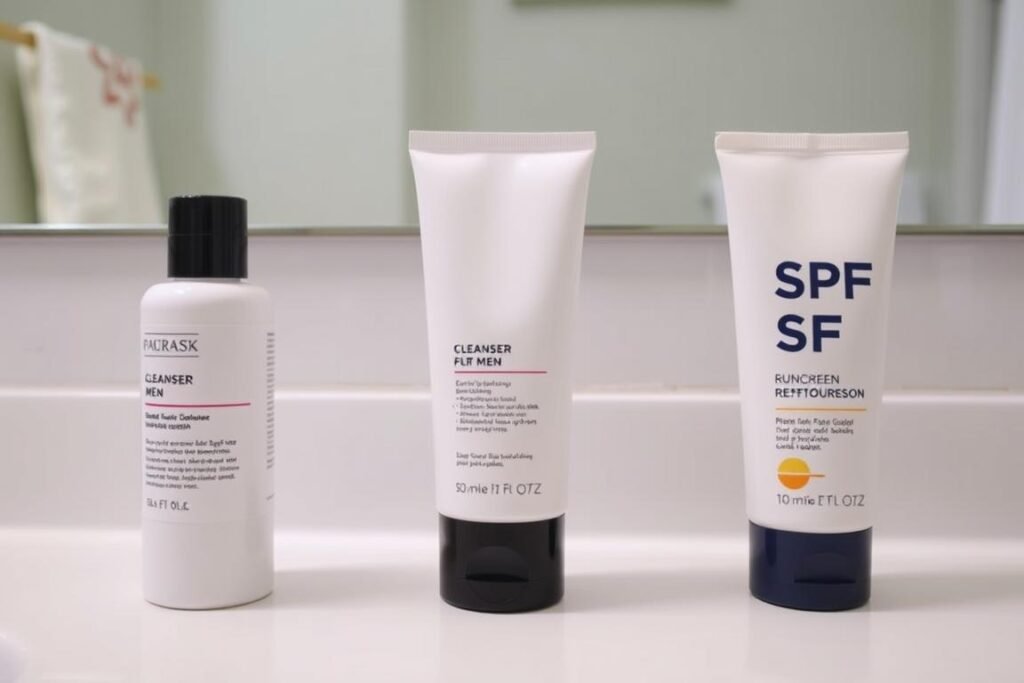
Step 1: Cleanse
Purpose: Removes dirt, excess oil, and impurities that build up on your skin throughout the day and night. Proper cleansing prevents clogged pores, breakouts, and creates a clean canvas for the products that follow.
When to do it: Twice daily—once in the morning to remove oil and sweat that accumulated overnight, and once in the evening to wash away the day’s buildup.
How to do it: Wet your face with lukewarm water (hot water can strip your skin). Apply a small amount of cleanser and gently massage it into your skin using circular motions. Rinse thoroughly and pat—don’t rub—your face dry with a clean towel.
Common Mistake: Using bar soap on your face. Regular soap is too harsh and can disrupt your skin’s natural pH balance, leading to dryness and irritation.

Choosing the Right Cleanser for Your Skin Type
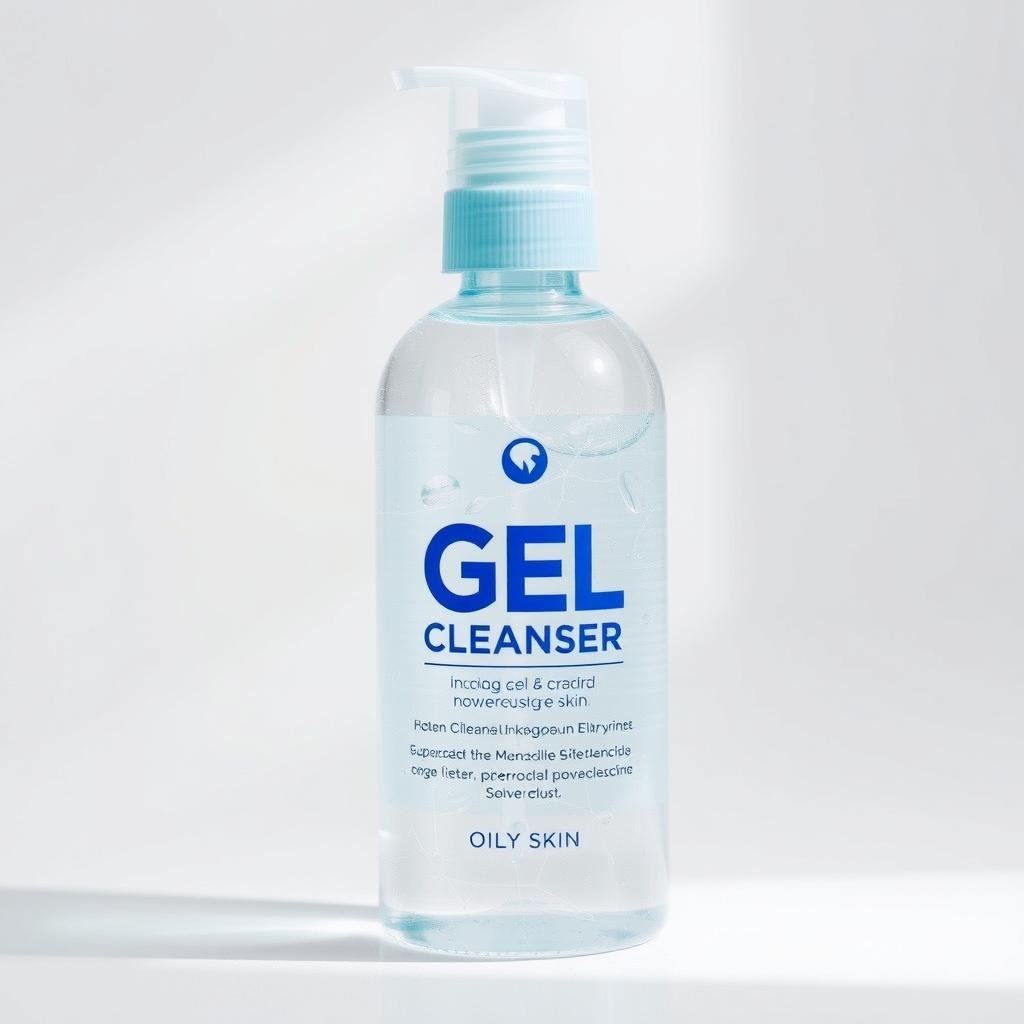
For Oily/Acne-Prone Skin
Look for: Gel or foaming cleansers with salicylic acid or benzoyl peroxide to control oil and prevent breakouts.
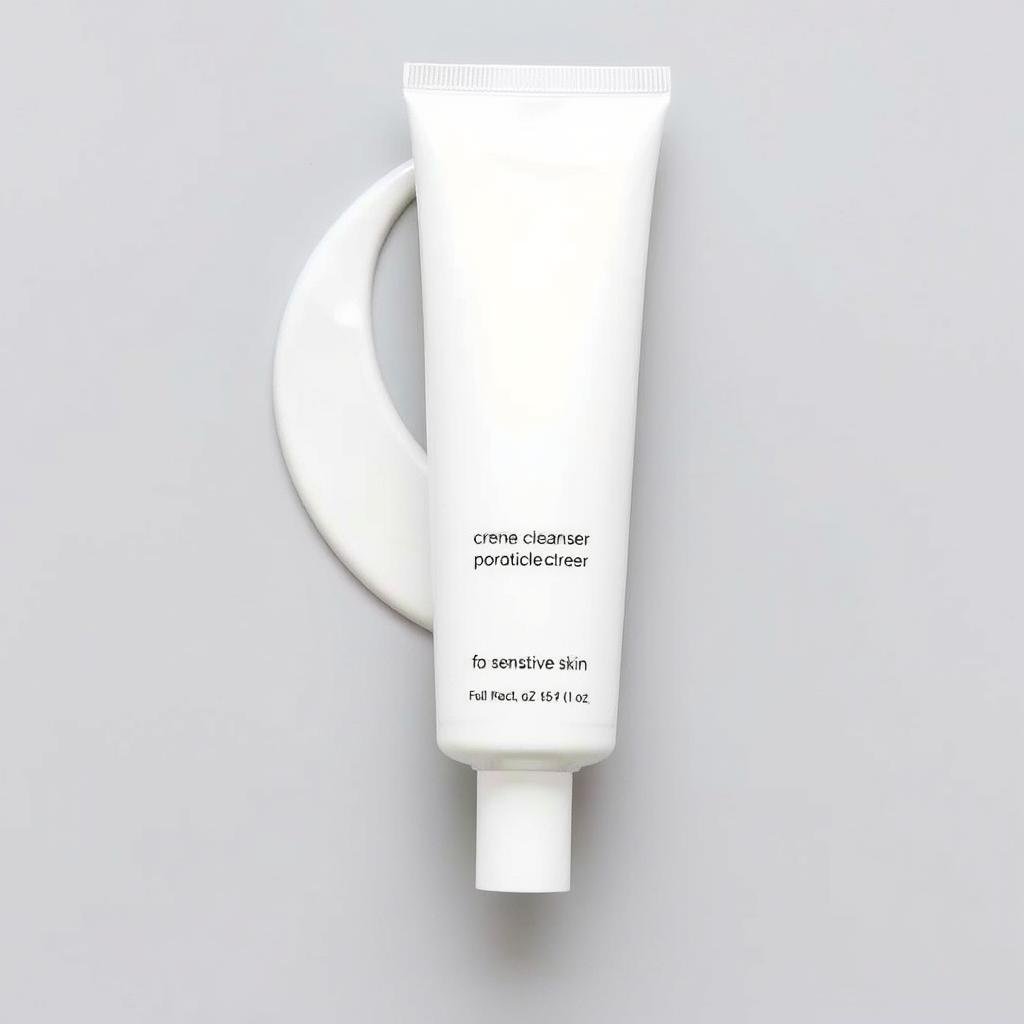
For Dry/Sensitive Skin
Look for: Cream or lotion cleansers with hydrating ingredients like hyaluronic acid, glycerin, or aloe vera.
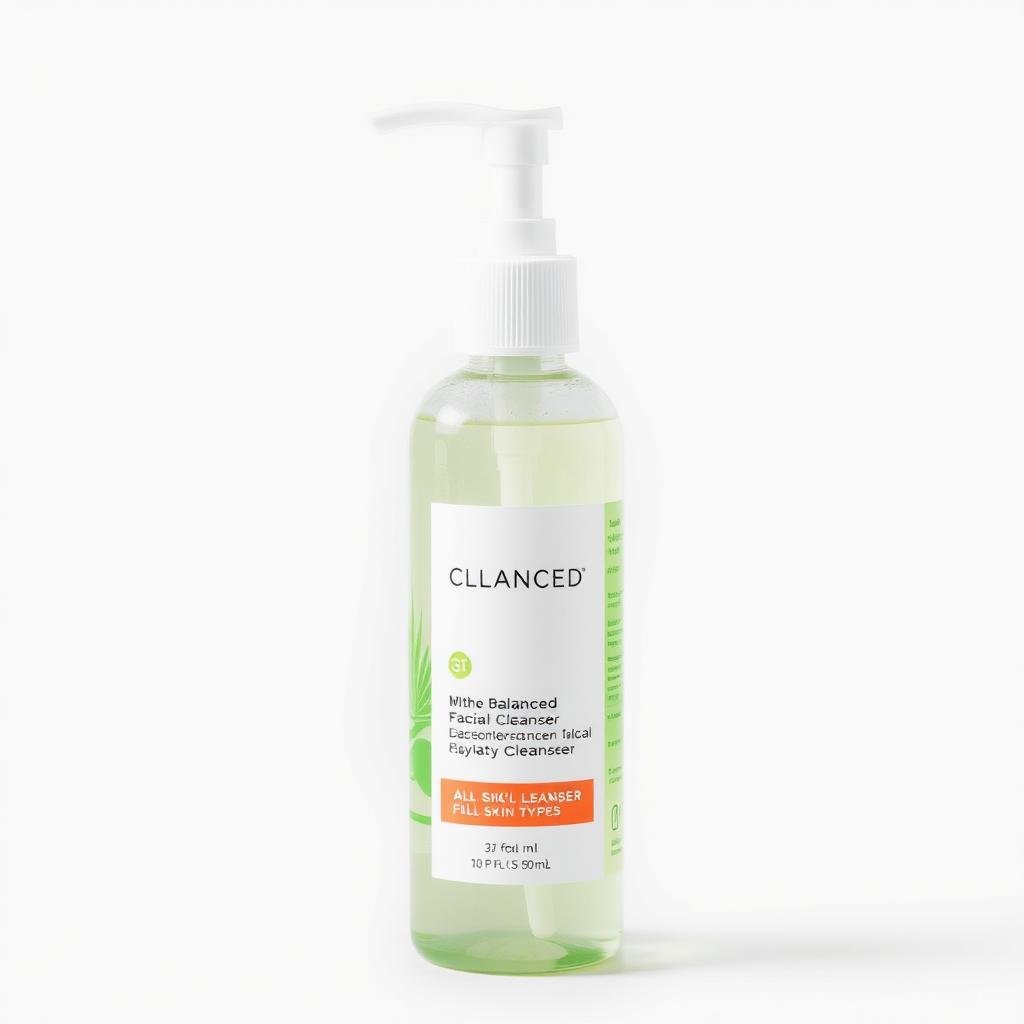
For Normal/Combination Skin
Look for: Balanced cleansers that remove impurities without stripping moisture. Ingredients like green tea or chamomile are good options.
Ready to Find Your Perfect Cleanser?
Start your skincare journey with a quality cleanser that matches your skin type. The right cleanser sets the foundation for healthier skin.
Step 2: Moisturize

Purpose: Hydrates your skin, strengthens its protective barrier, and helps balance oil production. Even if you have oily skin, moisturizing is essential—skipping it can actually cause your skin to produce more oil to compensate.
When to do it: Twice daily, after cleansing. Apply to slightly damp skin for better absorption.
How to do it: Take a small amount (about the size of a nickel) and warm it between your fingertips. Apply to your face and neck using upward, gentle motions. Allow it to fully absorb before applying sunscreen or heading to bed.
Pro Tip: If your skin feels tight after cleansing but before moisturizing, your cleanser might be too harsh for your skin type.
Choosing the Right Moisturizer for Your Skin Type
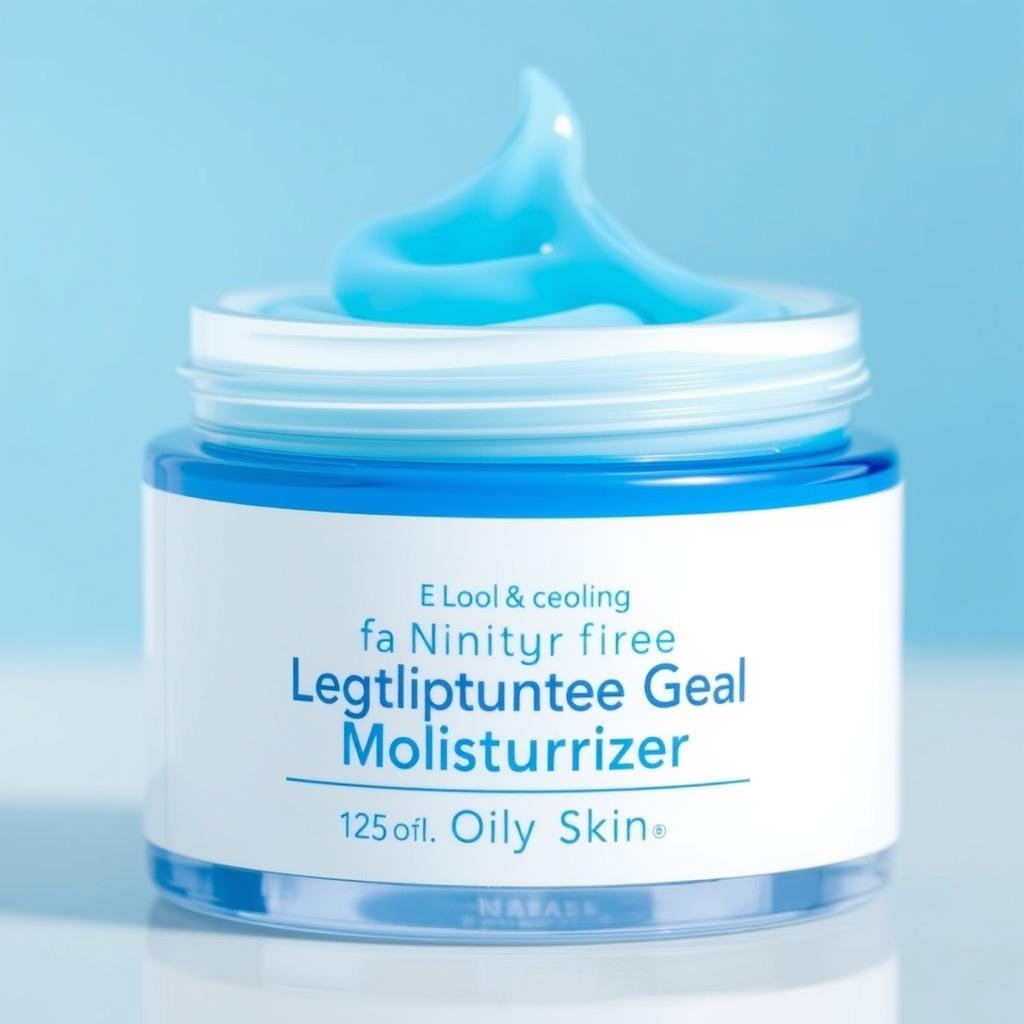
For Oily/Acne-Prone Skin
Look for: Lightweight, oil-free, or “mattifying” gel moisturizers. Ingredients like niacinamide can help control oil production.
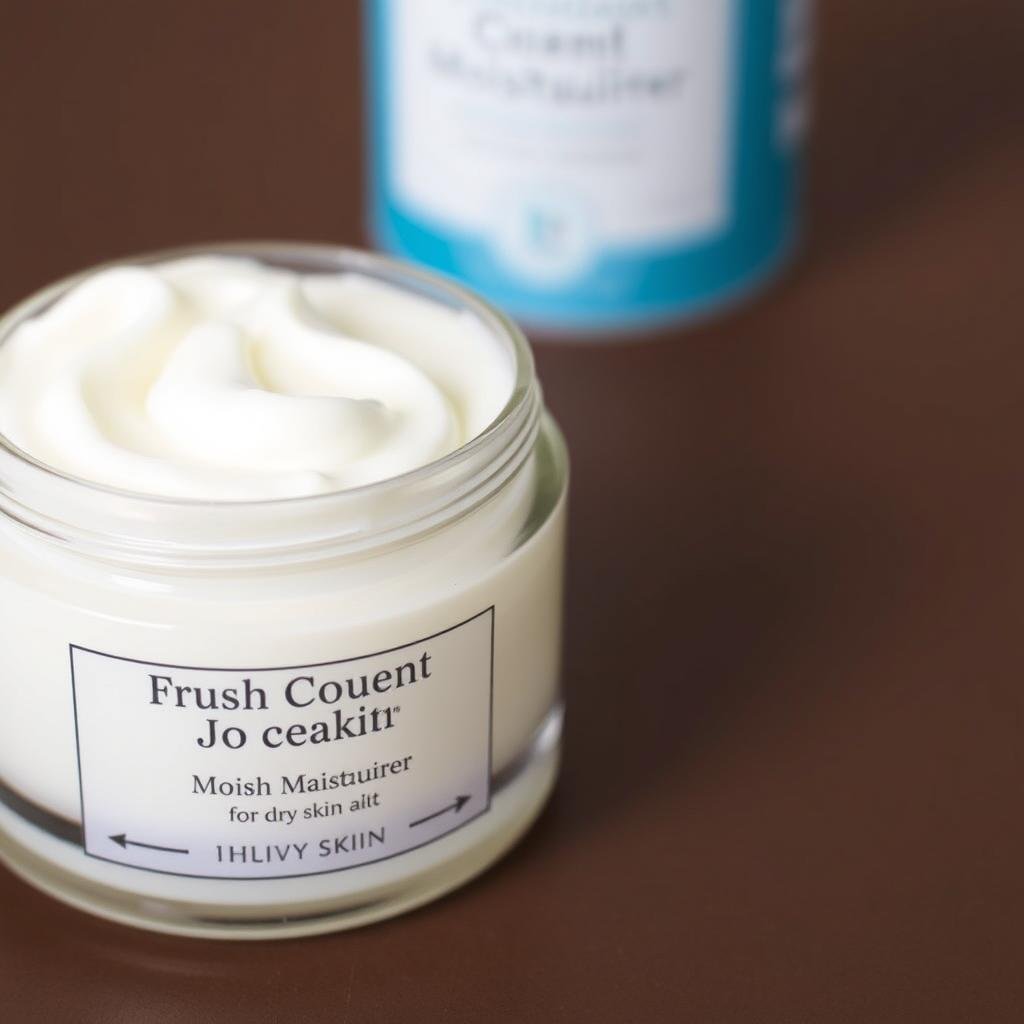
For Dry/Sensitive Skin
Look for: Richer cream formulas with ingredients like ceramides, shea butter, or squalane to lock in moisture and repair the skin barrier.
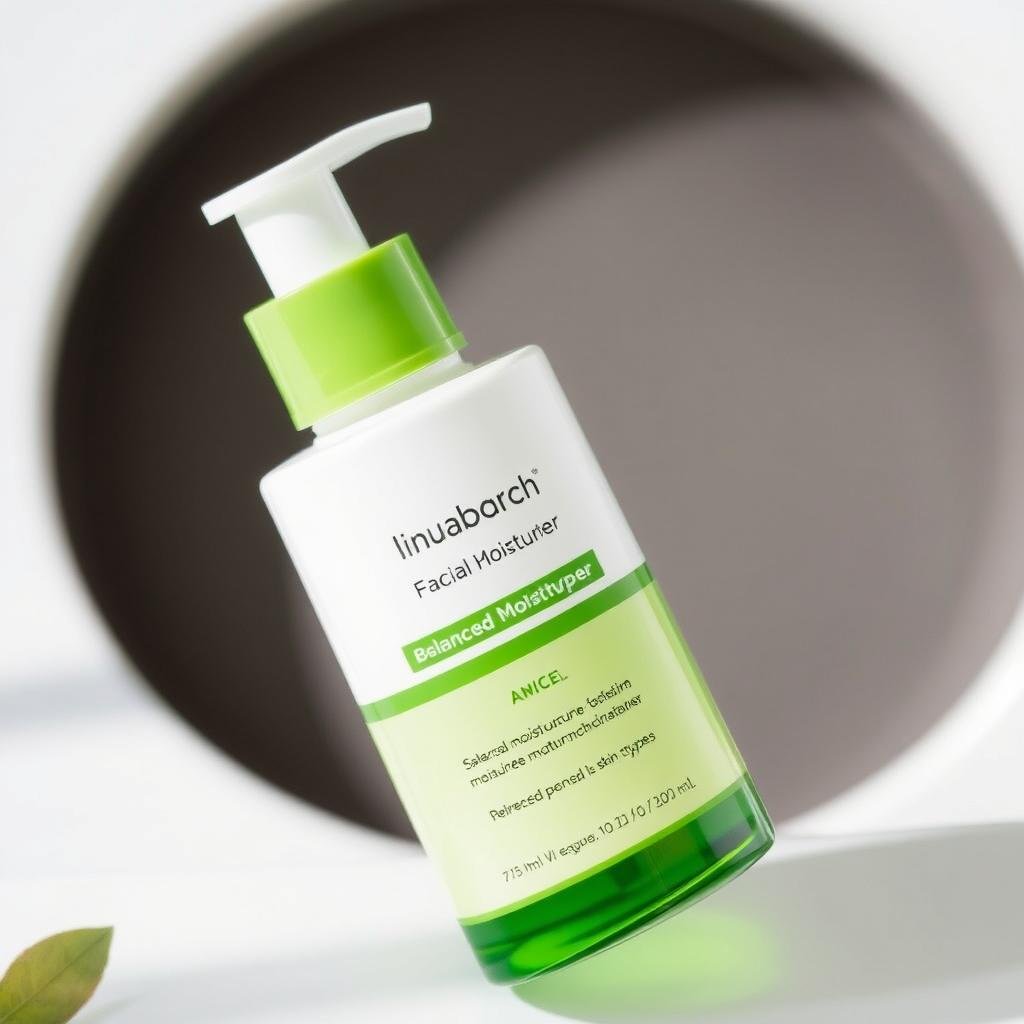
For Normal/Combination Skin
Look for: Medium-weight lotion formulas that provide balanced hydration without feeling heavy. Hyaluronic acid is a great ingredient for all skin types.
Find Your Perfect Moisturizer
The right moisturizer can transform your skin, keeping it hydrated, balanced, and healthy-looking all day long.
Step 3: Protect
Purpose: Shields your skin from harmful UV rays that cause premature aging, sunburn, and increase the risk of skin cancer. This step is non-negotiable, regardless of your skin tone or the weather outside.
When to do it: Every morning, as the final step in your routine. Reapply every two hours if you’re spending extended time outdoors.
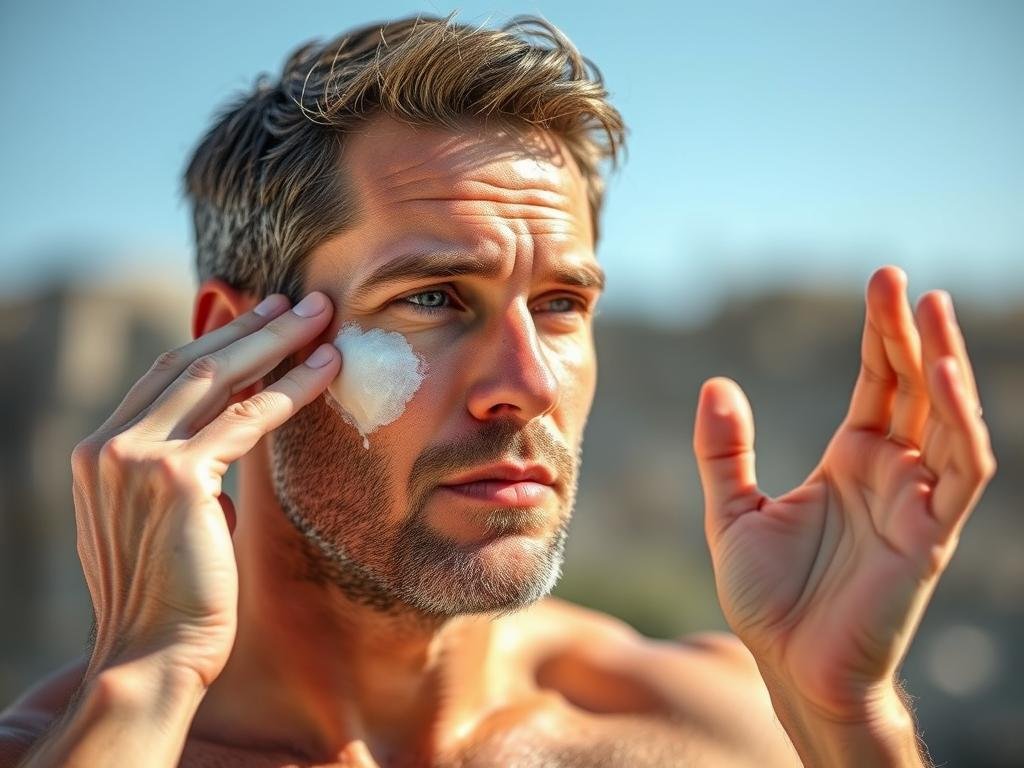
How to do it: Apply a generous amount (about a quarter-sized dollop for your face and neck) after your moisturizer has absorbed. Don’t forget often-missed areas like your ears, neck, and the back of your neck.
“Sunscreen is the single most effective anti-aging product available. No expensive serum or treatment can match what daily sun protection can do to prevent skin damage.”
Choosing the Right Sunscreen for Your Skin Type
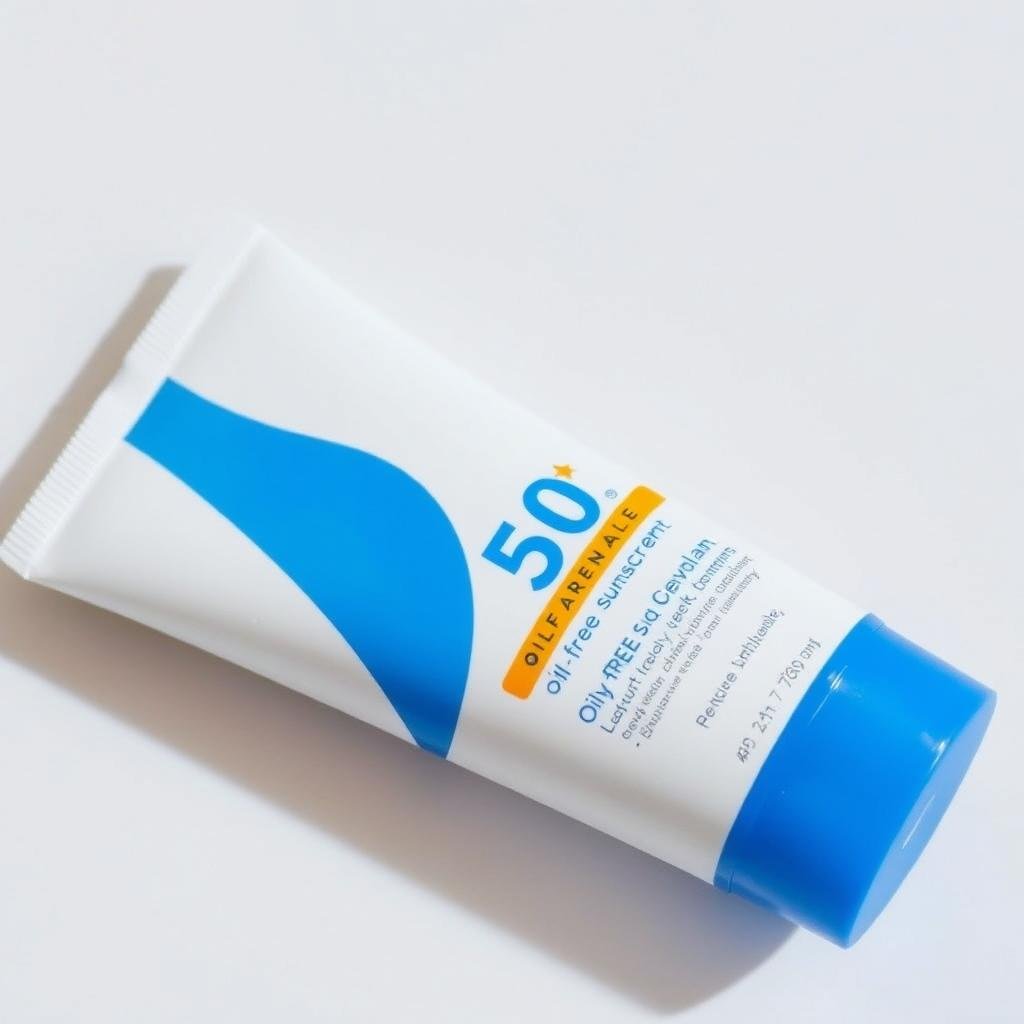
For Oily/Acne-Prone Skin
Look for: Oil-free, mattifying formulas labeled “non-comedogenic” (won’t clog pores). Gel or liquid textures work well.
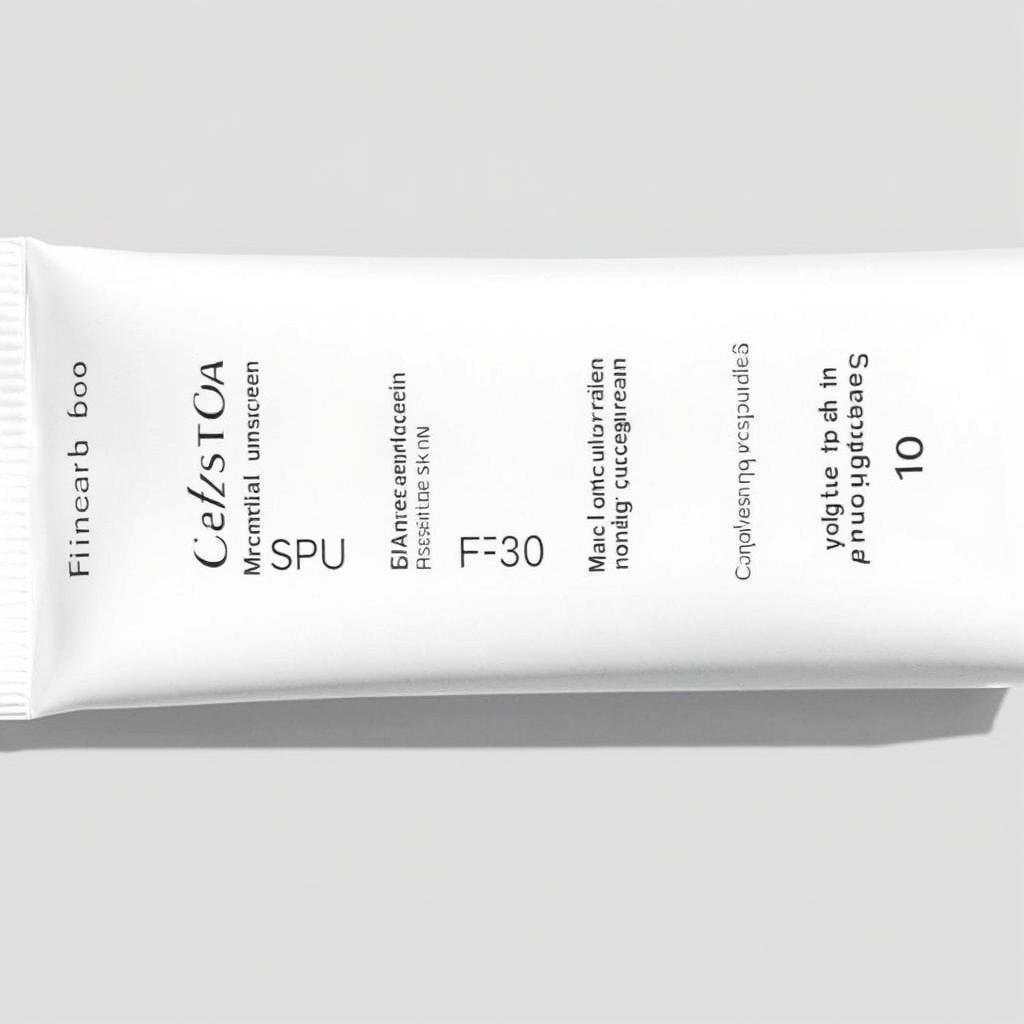
For Dry/Sensitive Skin
Look for: Moisturizing sunscreens with hydrating ingredients. Mineral sunscreens with zinc oxide or titanium dioxide are less likely to cause irritation.
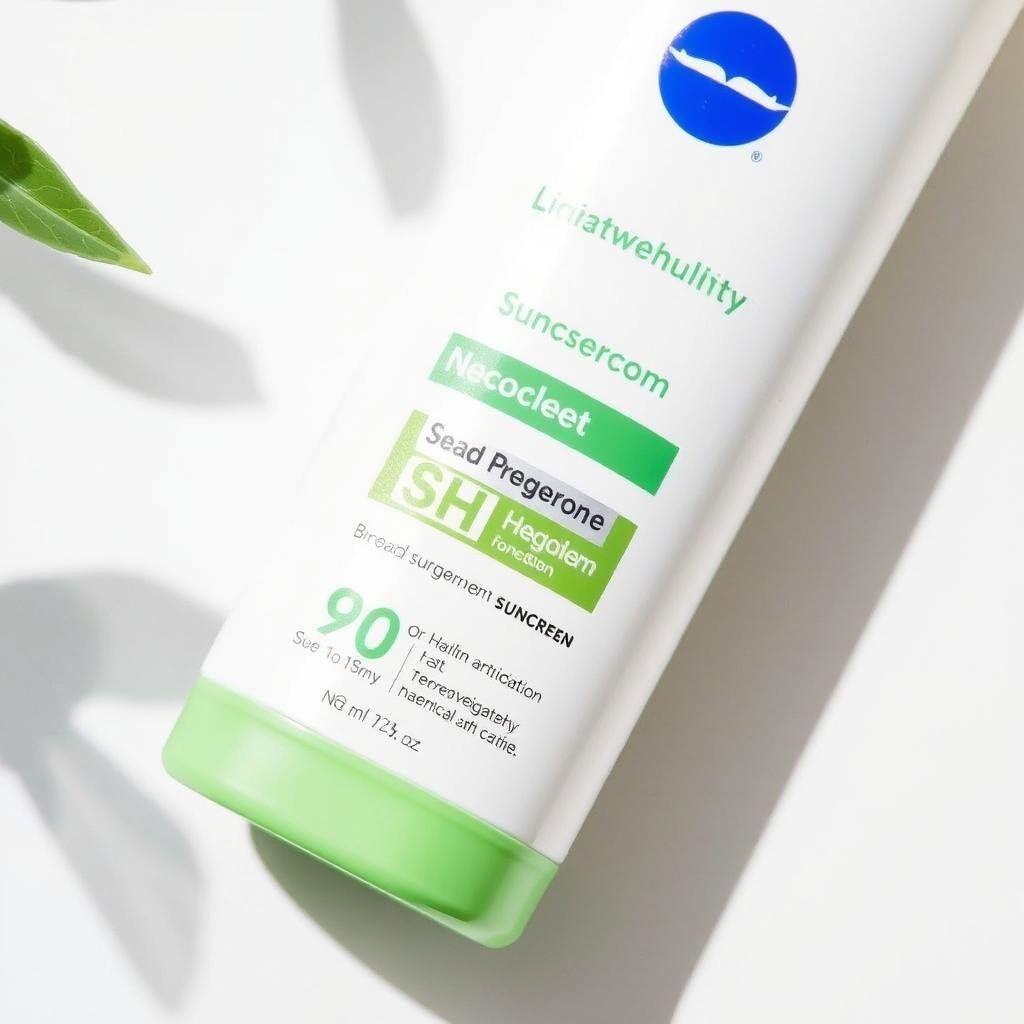
For Normal/Combination Skin
Look for: Lightweight, broad-spectrum formulas with at least SPF 30. Many brands now offer invisible or clear finishes that don’t leave a white cast.
Protect Your Skin Every Day
Daily sun protection is your best defense against premature aging and skin damage. Find a sunscreen you’ll actually want to wear every day.
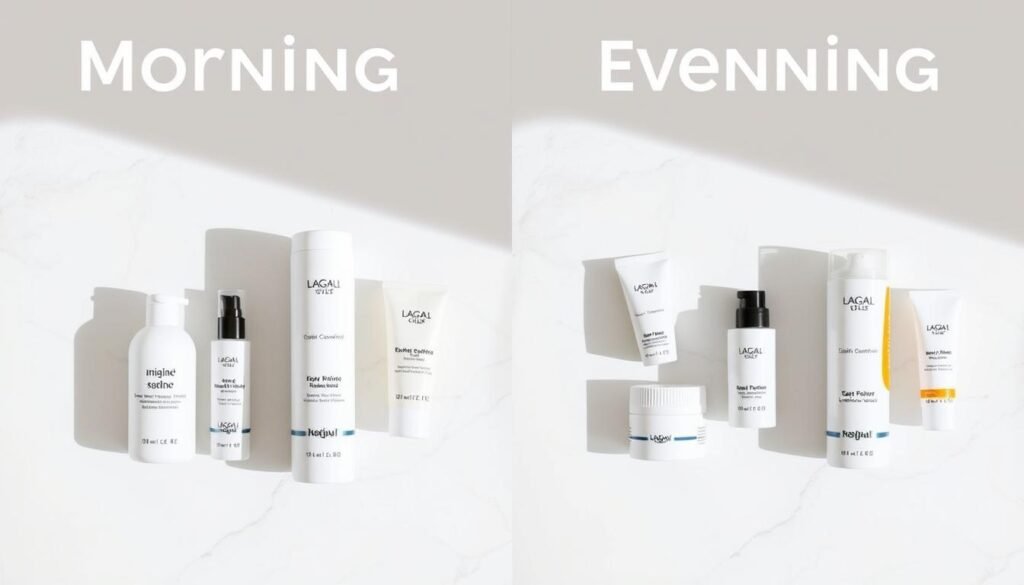
Putting It All Together: Your Daily Routine
Morning Routine
- Cleanse your face with a gentle cleanser
- Moisturize with a suitable product for your skin type
- Protect with sunscreen (SPF 30 or higher)
Total time: 3-5 minutes
Evening Routine
- Cleanse your face to remove the day’s dirt and oil
- Moisturize with the same product or a night-specific formula
- Sleep and let your skin repair itself overnight
Total time: 2-3 minutes
Common Questions About Men’s Skincare
How long before I see results from my skincare routine?
Consistency is key. Some benefits, like increased hydration, can be noticed immediately. However, more significant improvements typically take 4-6 weeks, which is roughly the time it takes for your skin to complete a full renewal cycle. Be patient and stick with your routine.
Do I really need different products for morning and night?
Not necessarily. When you’re starting out, using the same cleanser and moisturizer for both morning and night is perfectly fine. The only difference is that you’ll add sunscreen in the morning. As you become more comfortable with your routine, you might consider specialized night products, but they’re not essential for beginners.
How does shaving fit into this routine?
Shave after cleansing but before moisturizing. The cleanser will soften your facial hair and prepare your skin, while the moisturizer will help soothe any post-shave irritation. If you use aftershave, apply it before your moisturizer.
Is it worth spending more money on skincare products?
Not always. Many effective products are available at drugstore prices. What matters most is finding products with quality ingredients that work for your skin type. Sometimes more expensive products have better textures or additional benefits, but price doesn’t always correlate with effectiveness.
Beyond the Basics: When You’re Ready for More
Once you’ve consistently followed the 3-step routine for a few months, you might consider adding these optional steps to address specific concerns:
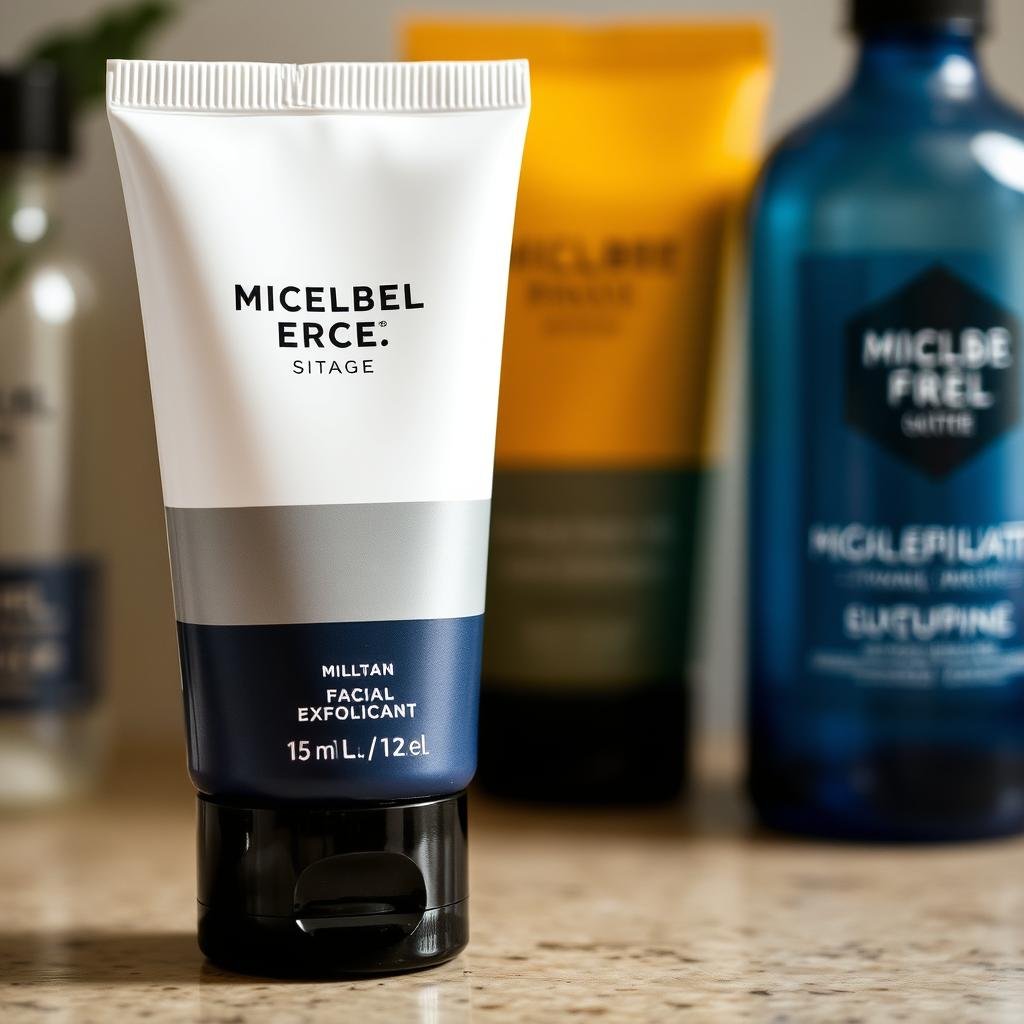
Exfoliation
What it does: Removes dead skin cells to improve texture and prevent clogged pores.
How often: 1-2 times per week, after cleansing.
Look for: Chemical exfoliants with salicylic acid (for oily/acne-prone skin) or glycolic acid (for normal to dry skin).
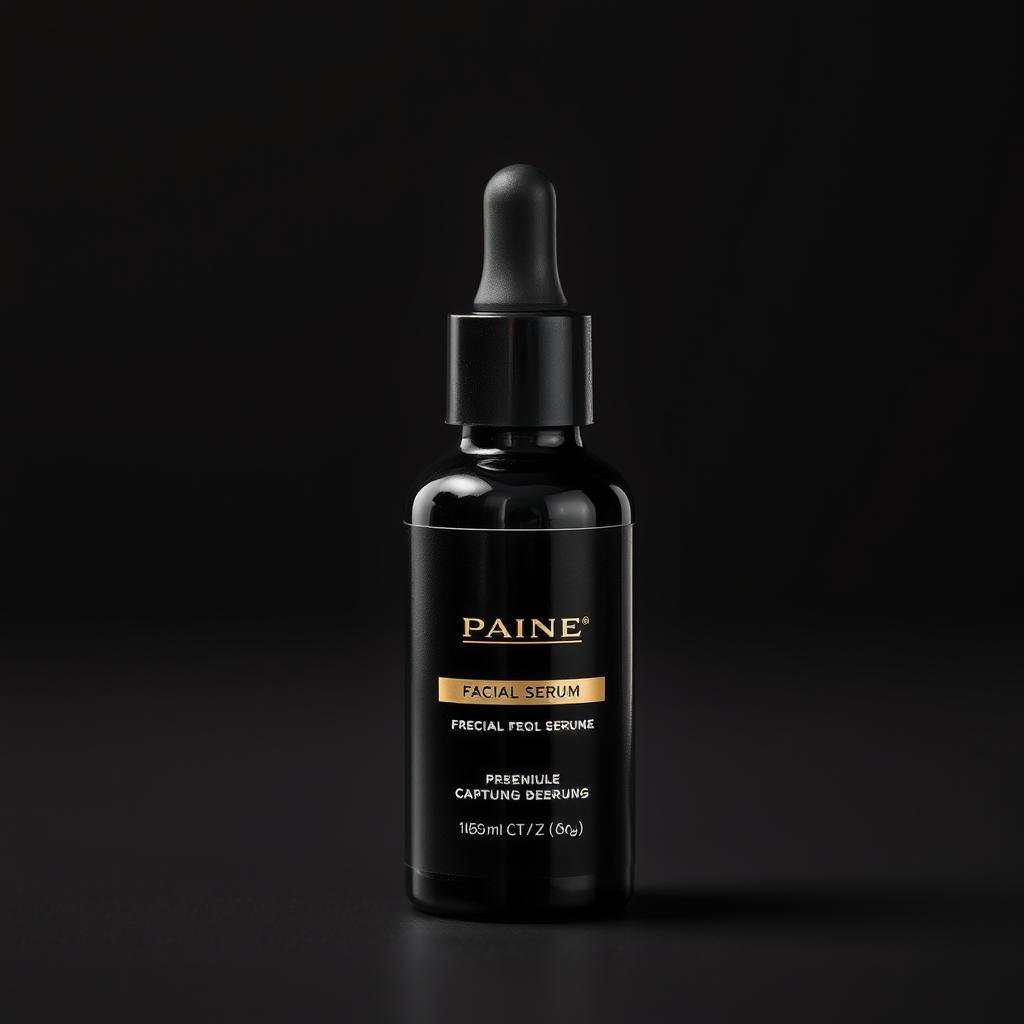
Targeted Serums
What they do: Address specific concerns like dark spots, fine lines, or acne with concentrated ingredients.
How often: Daily, after cleansing and before moisturizing.
Look for: Vitamin C (brightening), retinol (anti-aging), or niacinamide (oil control, redness).
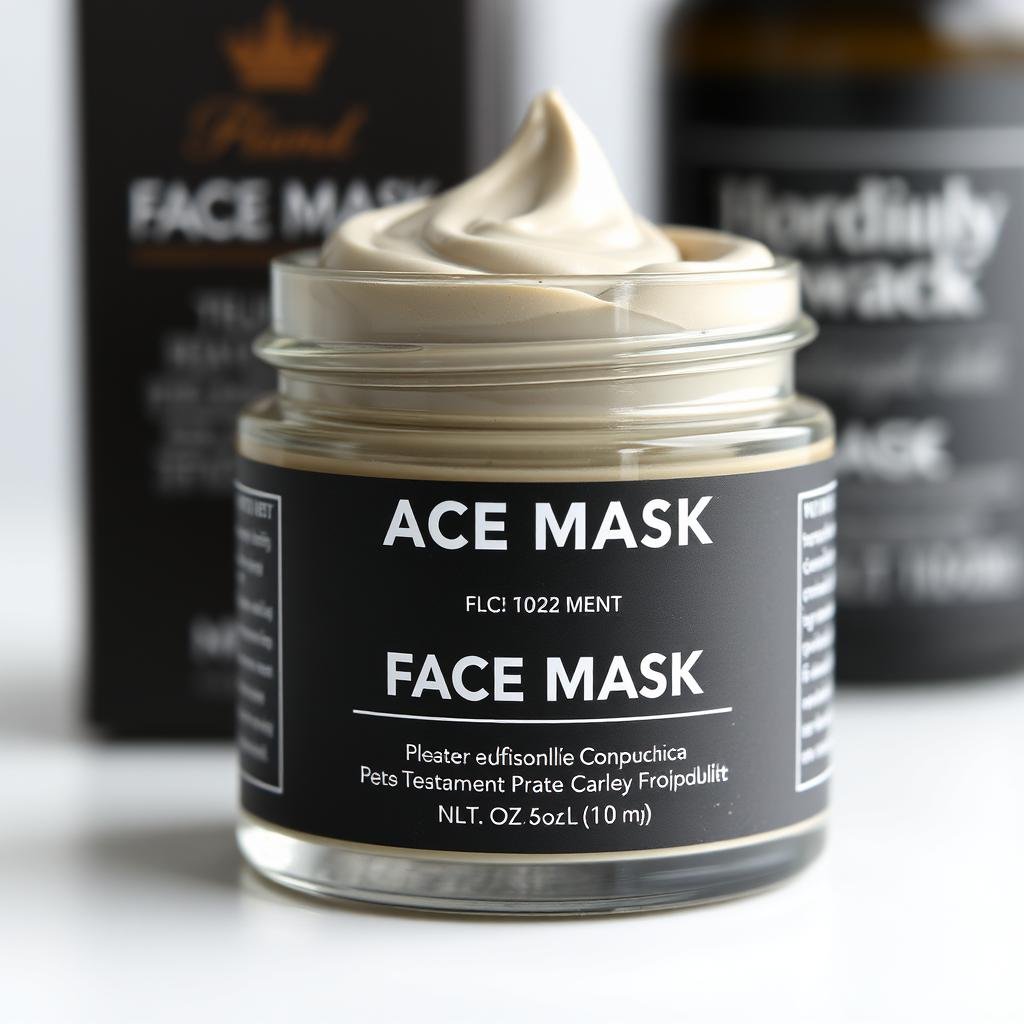
Weekly Masks
What they do: Provide intensive treatment for specific concerns like deep cleansing or hydration.
How often: Once a week, after cleansing.
Look for: Clay masks (for oily skin) or hydrating masks (for dry skin).
Remember: Additional products are completely optional. The core 3-step routine is sufficient for maintaining healthy skin. Only add products that address specific concerns you have, and introduce them one at a time to see how your skin reacts.
Start Your Simple Skincare Journey Today
Building a skincare routine doesn’t have to be complicated or time-consuming. By following these three simple steps—cleanse, moisturize, protect—you’re giving your skin everything it needs to stay healthy and look its best.
Remember that consistency is more important than complexity. A simple routine that you follow every day will yield better results than an elaborate regimen you only do occasionally. Start with these basics, give your skin time to adjust, and you’ll be rewarded with noticeable improvements in how your skin looks and feels.
Your future self will thank you for the few minutes you invest each day in caring for your skin. So why not start today?
Ready to Build Your 3-Step Routine?
Get everything you need to start your skincare journey with products tailored to your skin type.

